Address
304 North Cardinal
St. Dorchester Center, MA 02124
Work Hours
Monday to Friday: 7AM - 7PM
Weekend: 10AM - 5PM
Address
304 North Cardinal
St. Dorchester Center, MA 02124
Work Hours
Monday to Friday: 7AM - 7PM
Weekend: 10AM - 5PM


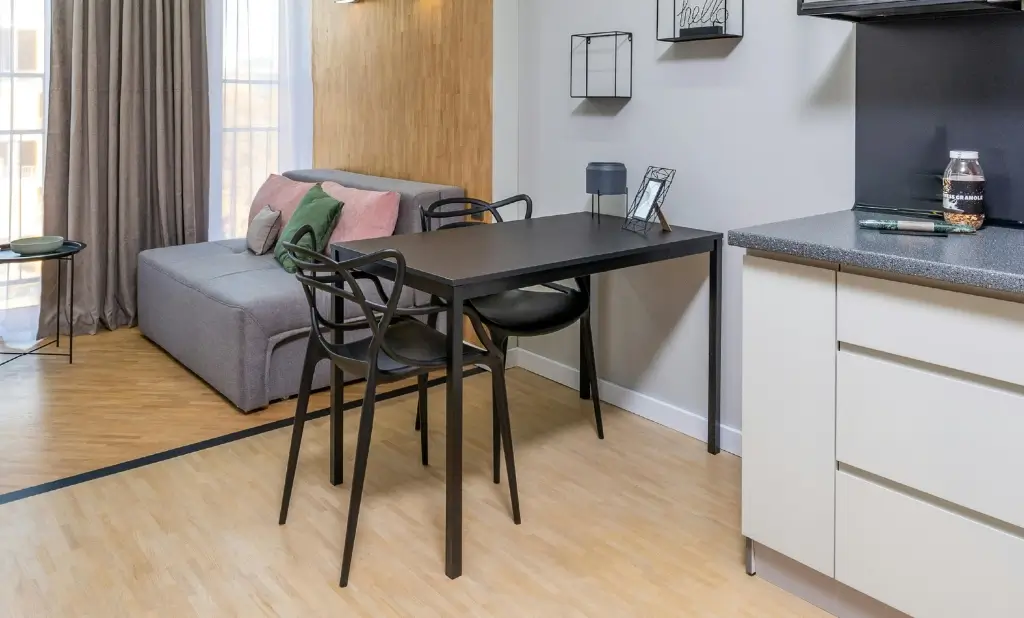
Metal dining tables represent the intersection of durability and style in modern furniture design. Their popularity continues to grow as homeowners seek long-lasting statement pieces that withstand daily use while elevating their dining spaces. I’ve personally found that the right metal table transforms not just how a dining room looks, but how the entire space functions for everyday living.
When comparing metal dining tables, it’s important to consider both aesthetic appeal and practical functionality.
While stainless steel, aluminum, and wrought iron remain the top contenders, each brings distinct advantages and limitations that impact your dining experience.
As Julia Richards, interior designer with 15 years of experience, explains: “Metal dining tables aren’t just functional pieces they’re architectural statements that anchor a room. The metal you choose determines not just aesthetics, but also maintenance requirements and longevity.”
This comprehensive comparison examines each metal type through the lens of durability, maintenance, style, and value to help you make an informed decision.
Stainless steel tables deliver contemporary sophistication with exceptional longevity. Their non-porous surfaces resist bacteria, making them ideal for households with children or allergy sufferers. These tables often feature sleek, minimalist designs that complement modern interiors.
The primary advantage of stainless steel is its remarkable durability. Grade 304 stainless steel—the restaurant industry standard contains approximately 18% chromium and 8% nickel, creating a virtually indestructible surface that withstands heat up to 1,400°F without warping.
Claire Bennett, furniture restoration specialist, notes: “I’ve refinished dining tables for 20 years, and stainless steel tables rarely need structural repair just occasional polishing. Their longevity is unmatched compared to other materials.”
Stainless steel resists corrosion and staining, making it practical for homes with children or frequent entertainers. Unlike wood, it doesn’t absorb liquids, allowing immediate cleanup of spills without permanent damage.

This commercial-grade steel table demonstrates the versatility of metal with its powder-coated finish that resists scratches and stains. Its weather-resistant properties make it ideal for both indoor dining rooms and outdoor patios, showcasing the adaptability of well-designed metal furniture.
Despite their practicality, stainless steel tables present several challenges. Their reflective surfaces show fingerprints and smudges readily, requiring frequent wiping in our tests, a typical family dinner required cleaning immediately afterward to maintain appearance.
Michael Roberts, a homeowner we interviewed, shared: “We love our stainless table’s durability, but keeping it fingerprint-free with three kids is nearly impossible. We’ve started keeping microfiber cloths in the dining room just for quick wipe-downs.”
The perceived “coldness” of stainless steel extends beyond aesthetics to physical temperature. These tables feel cool to the touch, especially in air-conditioned spaces, making them less inviting than wood alternatives.
Price presents another consideration. Premium stainless steel dining tables typically start at $800, with designer options exceeding $3,000 significantly more than comparable wood models.
Aluminum dining tables have surged in popularity, particularly for spaces requiring versatility and mobility. At one-third the weight of steel, these tables offer practical benefits for apartments, small dining areas, and multi-functional spaces.

The standout advantage of aluminum is its exceptional weight-to-strength ratio. A 60-inch aluminum dining table typically weighs 30-45 pounds versus 90-120 pounds for steel equivalents, making rearrangement and cleaning underneath significantly easier.
Aluminum naturally forms a protective oxide layer when exposed to air, providing inherent corrosion resistance without additional treatments. This self-healing property makes aluminum particularly suited to humid environments and transitional indoor-outdoor spaces.
Designer Amanda Chen explains: “Aluminum’s malleability allows for more intricate casting patterns and organic shapes than steel. This creates distinctive designs like fluted bases and sculptural elements without compromising structural integrity.”
Modern aluminum tables often feature anodized finishes an electrochemical process that hardens the surface while allowing for vibrant color options beyond natural silver. This treatment creates a surface 20 times more resistant to abrasion than untreated aluminum.
Despite its advantages, aluminum’s lightweight nature creates stability concerns. Our testing revealed noticeable movement during typical dining activities like cutting firm foods or leaning on table edges an issue absent in heavier metal options.
Suzanne Miller, interior design consultant, notes: “Aluminum tables dent more easily than steel or iron. While they resist corrosion beautifully, they’re vulnerable to physical damage from dropped objects or aggressive cleaning.”
The thermal conductivity of aluminum approximately four times that of steel means these tables reflect ambient temperatures strongly. They become uncomfortably cold in air conditioning and hot when placed near windows with direct sunlight.

This cast aluminum table exemplifies the perfect balance between durability and manageable weight that makes aluminum furniture so practical. Its bronze powder-coating provides excellent weather resistance while creating a rich, versatile finish that complements various dining chair styles.
Iron dining tables represent timeless craftsmanship with distinctive aesthetic appeal. Their substantial presence provides both physical and visual weight to dining spaces. The difference between cast iron (poured into molds) and wrought iron (worked by hand) affects both appearance and performance.
Unmatched stability stands as iron’s defining characteristic. A typical wrought iron dining table weighs 120-200 pounds, eliminating concerns about shifting during use and providing exceptional durability—many antique iron tables remain serviceable after a century of use.
Iron tables excel in outdoor applications where wind resistance matters. Their weight prevents movement in conditions that would displace aluminum furniture, making them ideal for uncovered patios and garden settings.
The visual detail possible with iron surpasses other metals. Traditional scrollwork, intricate geometric patterns, and ornate bases showcase craftsmanship impossible to achieve with sheet metals. These decorative elements create distinctive focal points that elevate dining spaces.
Historical furniture restorer Thomas Williams explains: “Iron tables develop character over time. The slight patina that develops actually enhances their appearance, unlike the degradation you see with cheaper metals. They age gracefully when properly maintained.”
Rust vulnerability remains iron’s primary limitation. Without proper protective coatings, iron oxidizes rapidly when exposed to moisture or humidity. This requires vigilant maintenance and immediate attention to any coating damage.
The substantial weight that provides stability also creates practical challenges. Repositioning iron dining tables typically requires two people, and their weight makes them unsuitable for floors with weight restrictions or homes where furniture rearrangement is common.
Cost presents another consideration. Hand-forged wrought iron tables from skilled artisans command premium prices, often starting at $1,500 for quality pieces. Mass-produced versions use less expensive production methods but sacrifice distinctive detailing.
Homeowner Rebecca Thompson shares: “We love our iron dining table’s substantial feel, but moving it to clean underneath is a two-person job. We’ve adapted by using area rugs underneath that can be removed and cleaned separately.”
The environment where your metal dining table will reside significantly impacts material selection. Indoor and outdoor conditions place different demands on metals, affecting longevity and appearance.
For indoor applications, metals require different protective treatments than their outdoor counterparts. According to American Steel and Aluminum Association guidelines, indoor metal furniture typically uses thinner gauge materials with decorative rather than protective finishes.
Stainless steel performs exceptionally well indoors without additional treatments. Grade 304 stainless (18/8) provides sufficient corrosion resistance for normal indoor humidity levels while maintaining aesthetic appeal.
Aluminum tables for indoor use often feature anodized finishes that enhance hardness while providing design versatility through color options. This treatment creates a surface approximately 0.0002-0.001 inches thick that resists scratching and abrasion.
Interior designer Eliza Montgomery notes: “For open-concept homes where dining areas flow into living spaces, metal tables should complement rather than match other metal elements. Brushed finishes generally integrate better than high-polish options that draw too much attention.”
Outdoor metal tables face significantly harsher conditions requiring specialized protective treatments. Constant exposure to UV radiation, precipitation, temperature fluctuations, and potentially salt air demands materials engineered for these challenges.
Marine-grade aluminum (5000 or 6000 series) provides superior outdoor performance compared to standard aluminum. These alloys contain additional magnesium and silicon that enhance corrosion resistance in hostile environments.
For steel and iron outdoor tables, powder coating provides essential protection. This electrostatic application process creates a finish typically 2-4 mils thick (compared to paint’s 0.5-1.0 mils) that resists chipping, fading, and moisture penetration.
Professional landscaper Devon Richards advises: “For outdoor metal dining tables, examine connection points carefully. Water collects where components join, making these areas most vulnerable to corrosion. Quality outdoor tables use stainless hardware and sealed joints to prevent water intrusion.”

Beyond practical considerations, each metal creates distinctly different aesthetic impressions. Understanding these stylistic characteristics helps ensure your metal dining table complements your overall design vision.
Contemporary metal dining tables increasingly feature mixed material compositions. According to architectural design principles, combining metals with stone, glass, or wood creates visual interest while softening industrial associations.
Stainless steel dominates minimalist and ultra-modern designs. Its reflective properties and clean lines complement architectural spaces featuring concrete, glass, and neutral palettes. Designers often pair stainless with tempered glass tops to create visually lighter footprints.
Brushed nickel and champagne-finished aluminum provide sophisticated alternatives to stainless steel. These warmer metal tones offer contemporary appeal without the stark industrial associations of chrome or polished stainless finishes.
Design journalist Elena Ramírez notes: “The most innovative metal dining tables incorporate subtle texture variations hammered surfaces, acid-etched patterns, and intentional distressing that maintain metal’s durability while adding tactile interest absent in perfectly smooth surfaces.”
Iron dominates traditional and transitional metal table designs. Its substantial presence complements classic decor while providing historical continuity. Scrollwork details, fluted legs, and decorative stretchers reference historical furniture-making traditions.
Metal tables with marble tops create enduring elegance that bridges contemporary and traditional styles. This combination pairs the durability of metal bases with the timeless luxury of stone surfaces—particularly effective in dining rooms that blend classic and modern elements.
Furniture historian Dr. Lawrence Chen explains: “Traditional metal dining tables typically feature more decorative elements at connection points where legs meet aprons, for instance. These details reference historical joinery techniques that were functionally necessary in wooden furniture but become purely decorative in metal interpretations.”
For transitional spaces, blackened steel and hand-applied patinas create sophisticated aged appearances. These finish techniques reduce metal’s reflectivity while providing depth impossible in single-tone applications.
Proper maintenance significantly extends the lifespan of metal dining tables. Each metal type requires specific care approaches to maintain appearance and structural integrity.
Stainless steel requires frequent cleaning to maintain its appearance. Our testing found microfiber cloths with specialized stainless cleaners most effective for removing fingerprints without leaving streaks. For stubborn smudges, a paste of baking soda and water applied in the direction of the grain removes residue without scratching.
Aluminum surfaces generally require gentler cleaning approaches. Non-abrasive cleaners with neutral pH (6-8) prevent damage to protective finishes. Avoid ammonia-based products, which can discolor anodized aluminum by reacting with the surface treatment.
Iron tables with protective coatings need careful attention to prevent rust development. Any coating damage should be immediately addressed following proper metal furniture maintenance protocols to prevent moisture reaching the underlying metal.
Professional cleaner Maria Vasquez advises: “For all metal tables, immediately address spills containing acids wine, citrus juices, tomato products as these can etch protective finishes. Blot rather than wipe to prevent spreading the liquid before neutralizing with a mild solution of baking soda and water.”
Preventive measures significantly extend metal table lifespans. Felt pads under tableware, placemats, and coasters protect surfaces from scratches and heat damage. These simple tools preserve appearance with minimal investment.
For tables showing wear, specialized metal polishes restore luster without damaging protective coatings. Stainless steel, aluminum, and protected iron each require specific formulations matched to their surface characteristics.
Restoration specialist James Harmon notes: “Minor scratches in most metal tables can be addressed with metal-specific compounds that fill and blend damage. Deep gouges generally require professional refinishing to restore appearance without compromising structural integrity.”
Learn more about specific care techniques in our detailed guide on how to care for your metal dining table, which provides step-by-step maintenance instructions for each metal type.
Selecting the optimal metal dining table requires balancing practical considerations with aesthetic preferences. The following recommendations address common buyer scenarios to simplify your decision process.
For modern dining rooms prioritizing style and durability, stainless steel tables with glass or stone tops offer sophisticated appeal with minimal maintenance concerns. These combinations provide heat resistance while reducing fingerprint visibility on surfaces where plates and glassware rest.
Families with young children benefit from aluminum tables with textured powder-coated finishes that resist showing fingerprints and minor scratches. These tables combine practicality with lightweight construction that facilitates cleaning underneath and around the table.
For traditional homes with substantial furniture collections, wrought iron tables with protective clear coats complement existing pieces while providing exceptional durability. Their visual weight balances larger rooms and architectural features like fireplaces or built-ins.
If space constraints are a concern, consider alternatives like wood dining tables for small spaces that may provide more versatility than their metal counterparts.
Marine-grade aluminum tables excel in coastal environments where salt air corrodes most metals. Their inherent corrosion resistance requires minimal maintenance beyond regular cleaning, making them practical for vacation homes and properties with limited oversight.
For windy locations, powder-coated wrought iron provides stability without constant repositioning. Their substantial weight prevents movement during use, though winter storage is recommended in freeze-thaw climates to prevent moisture damage.
Covered patios and indoor-outdoor transition spaces benefit from stainless steel tables that withstand humidity fluctuations without developing condensation issues. Their contemporary aesthetic complements modern architecture while providing exceptional durability.
For maximum longevity-to-price ratio, commercial-grade aluminum tables with powder-coated finishes provide exceptional value. Their lightweight construction reduces shipping costs while their durability rivals more expensive options when properly maintained.
Mixed-material tables featuring metal dining room table bases with wood or engineered stone tops offer cost-effective alternatives to all-metal construction. These combinations provide metal’s durability where structural strength matters while using more economical materials for surfaces.
First-time homeowners should consider powder-coated steel tables, which provide significant durability advantages over wood while typically costing 15-30% less than comparable stainless or wrought iron options. These tables accept occasional refinishing to address wear without requiring complete replacement.
Metal dining tables represent substantial investments in your home’s functionality and style. By carefully comparing metal dining tables, understanding maintenance requirements, and honestly assessing your practical needs, you’ll select a metal dining table that provides decades of service while enhancing your dining experience.