Address
304 North Cardinal
St. Dorchester Center, MA 02124
Work Hours
Monday to Friday: 7AM - 7PM
Weekend: 10AM - 5PM
Address
304 North Cardinal
St. Dorchester Center, MA 02124
Work Hours
Monday to Friday: 7AM - 7PM
Weekend: 10AM - 5PM


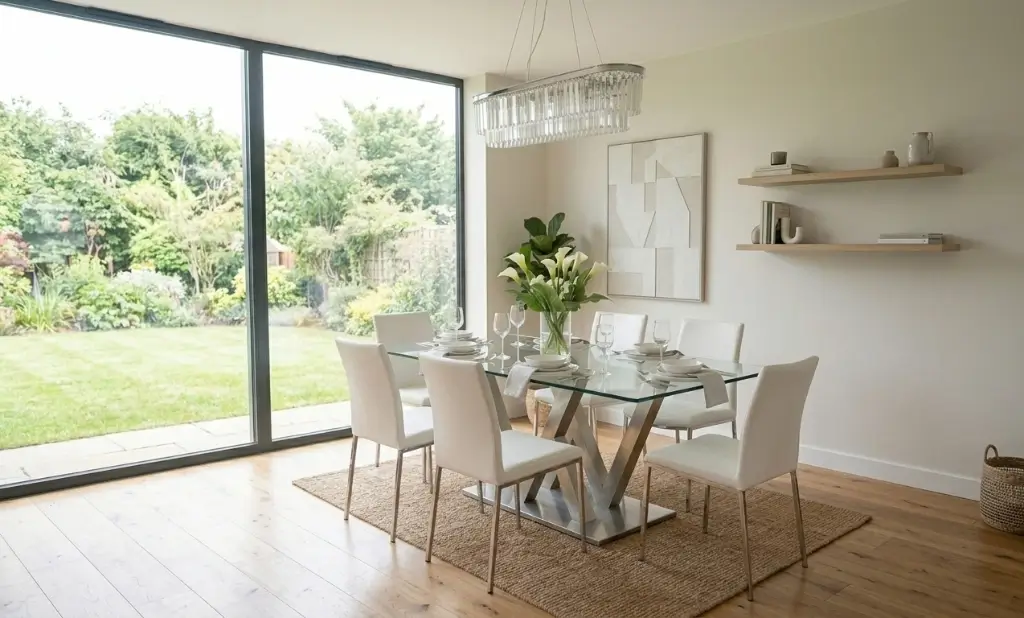
Glass dining tables bring undeniable elegance to any home, but their beauty comes with legitimate concerns. Most buyers worry about durability and safety will the glass withstand daily use, active children, or pets? This hesitation stops many from purchasing what could be the perfect centerpiece for their dining space.
The truth is that not all glass tables are created equal. I learned this lesson firsthand when my bargain-priced table developed worrying wobbles after just six months of normal use. Significant differences in construction, materials, and design affect everything from safety to longevity. Through our extensive testing and research, we’ve identified exactly what separates exceptional glass tables from disappointing ones.
This guide tackles how to choose the best dining room glass table with practical advice on glass types, ideal dimensions, style considerations, and honest pricing expectations. We’ll also share our top recommendations across different price points to help you find the perfect balance of beauty, functionality, and value.
The most crucial decision when selecting a glass dining table is the type of glass used. Two main options exist: tempered and float (annealed) glass.
Tempered glass undergoes heat treatment that makes it approximately four times stronger than regular glass. When broken, it crumbles into small, relatively harmless pebble-shaped pieces rather than dangerous shards. According to peer-reviewed research on glass table safety risks and tempered glass, homes with non-tempered glass tables see significantly higher rates of serious injuries from breakage.
Float glass (or annealed glass) is less expensive but lacks the safety features of tempered options. It breaks into large, dangerous pieces and is more vulnerable to thermal shock. For family homes, always choose tempered glass with a thickness of at least 10-12mm for adequate strength and stability.
Selecting the right size table requires balancing your available space with seating needs. Start by measuring your dining area, allowing a minimum of 36 inches of clearance around the entire table for comfortable chair movement and walking space.
For rectangular tables, allow approximately 24 inches of table width per person. A 48-inch long table comfortably seats four, while a 72-inch table accommodates six. Round tables offer more flexible seating arrangements a 48-inch diameter table generally seats 4-5 people comfortably.
The standard dining table height is 30 inches, but verify dimensions before purchasing, especially if pairing with existing chairs. Glass tables often appear less bulky than solid wood options, making them excellent choices for smaller spaces where you want to create an open, airy feel.
Glass dining tables come in diverse styles to complement any interior design preference. Modern glass tables typically feature sleek metal bases with minimal ornamentation perfect for contemporary or minimalist spaces. These designs often incorporate chrome, brushed steel, or matte black finishes.
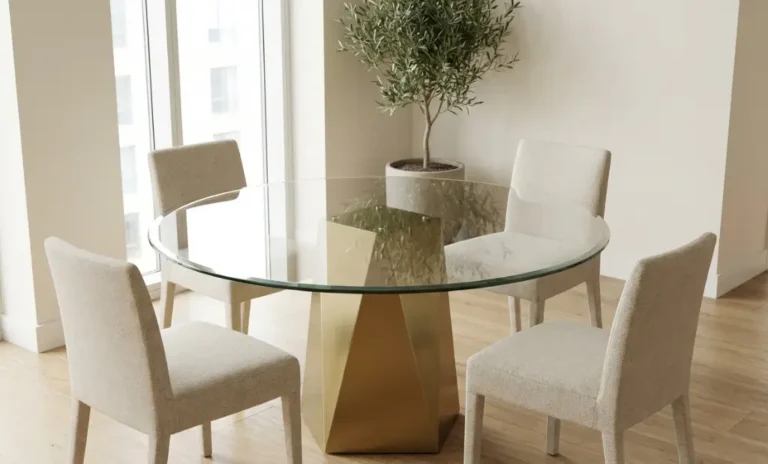
For glamorous interiors, look for gold or brass-finished bases with more decorative elements. These statement pieces add sophistication and luxury to formal dining rooms. Traditional-leaning households might prefer glass tables with wooden bases that offer warmth while maintaining the visual lightness of glass.
Minimalist glass tables with simple, geometric bases work well in transitional spaces or homes where you might the benefits of choosing a glass table for your dining room include making small spaces appear larger and creating visual continuity. The transparency of glass allows other design elements like statement chairs or bold rugs to take center stage.
Assembly quality can make or break your glass table experience. Most glass dining tables require some assembly, typically attaching the base components before carefully positioning the glass top. Quality tables include clear, illustrated instructions and all necessary hardware.
Avoid tables with reviews mentioning misaligned holes, missing parts, or confusing instructions. For larger or more expensive tables, consider models that offer white-glove delivery with professional assembly. If self-assembling, always have a helper glass tops are heavy and awkward to maneuver alone.
Check that the assembled table feels completely stable with no wobbling. The connection between the base and glass should be secure, often using suction cups or rubber gaskets that prevent the glass from sliding while protecting it from direct contact with metal or wood components.
Glass dining tables span a wide price range, with notable differences in quality and features at each tier:
$120-$300 Range: Entry-level tables in this category typically feature thinner tempered glass (8-10mm) and simpler base designs. They work well for occasional use or smaller households. Many budget-friendly complete sets with chairs fall in this range, offering good value for first-time homeowners or renters.
$300-$700 Range: Mid-range tables offer better construction with thicker glass (10-12mm), superior hardware, and more distinctive designs. Tables in this bracket typically feature better stability, more precise assembly, and enhanced aesthetic details like textured glass or architectural bases.
$700+ Range: Premium glass dining tables provide exceptional quality with 12mm+ glass thickness, designer aesthetics, and flawless construction. At this level, you’ll find unique artistic bases, extended warranties, and often custom options. These investment pieces are built to last for decades with proper care.
Consider your long-term needs when setting your budget. If this will be your primary dining table for many years in a busy household, investing in a higher-tier option typically proves more economical than replacing a budget table that fails prematurely.
After evaluating dozens of options across price points, these standout glass dining tables deliver the best combination of quality, style, and value. We’ve organized our selections to help you quickly find options that match your specific needs and budget.
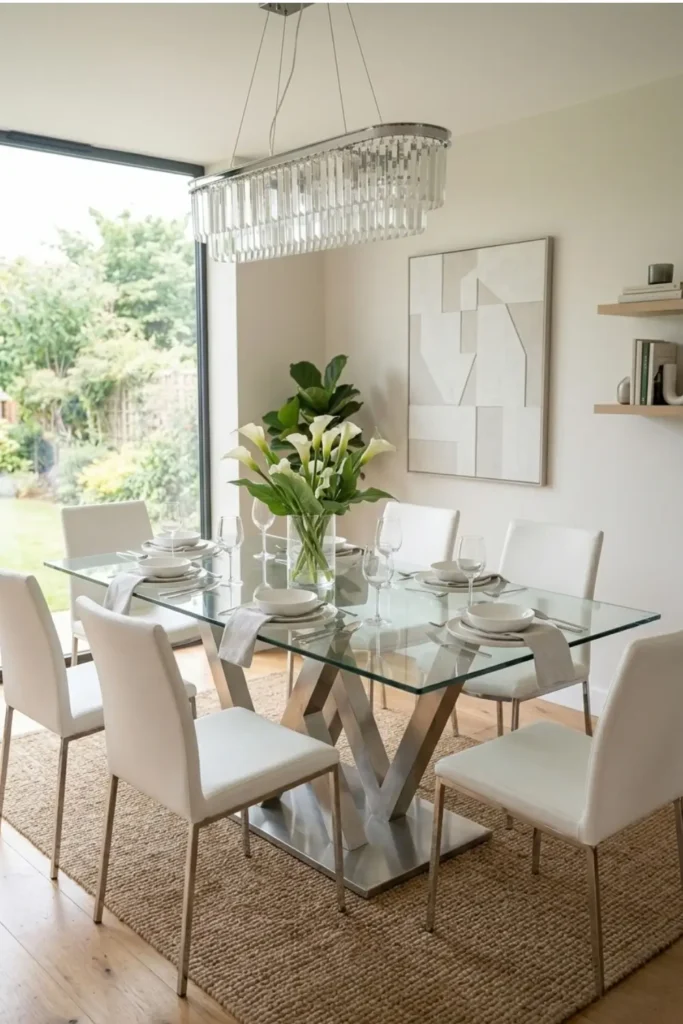
Here’s our comprehensive comparison of the best glass dining tables currently available:
| Model | Price | Rating | Key Features | Best For |
|---|---|---|---|---|
| FDW Dining Table Set for 4 | $189.99 | 4.2 ★ | Complete set with upholstered chairs, space-saving design | Small apartments, budget shoppers |
| FurnitureR Tempered Glass Dining 47″ Table | $163.50 | 4.4 ★ | Spacious tempered glass, gold legs, modern aesthetic | Style-conscious buyers on a budget |
| Tangkula Glass Dining Table | $134.99 | 3.9 ★ | Simplistic design, versatile styling, tempered glass | Minimalist spaces, flexible use |
| KEIKI 35.4″ Round Tempered Glass Table | $127.29 | 4.2 ★ | Space-saving round design, sturdy metal base | Small dining rooms, breakfast nooks |
| Coaster Home Gilman 64″ Rectangle Table | $194.16 | 5.0 ★ | Contemporary style, superior stability, large surface | Modern homes, everyday family use |
| Ball & Cast 51″ Modern Glass Dining Table | $198.99 | 4.2 ★ | Rectangular tempered top, gold legs, style-durability balance | Style-focused buyers wanting quality |
| SAFAVIEH Couture Shaw Chrome Glass Table | $772.11 | N/A | Statement chrome base, premium construction, 54″ round top | Luxury spaces, design enthusiasts |
| Signature Design by Ashley Pharwynn Table | $249.49 | 5.0 ★ | Clear glass with bold black base, excellent stability | Contemporary homes, reliable everyday use |
The FDW Dining Table Set stands out as our top value pick, offering a complete dining solution with four upholstered chairs for under $200. The tempered glass top provides adequate safety while the space-saving design works well in apartments or smaller homes. Assembly takes about 30 minutes with two people, and the finished product feels surprisingly substantial for the price point.
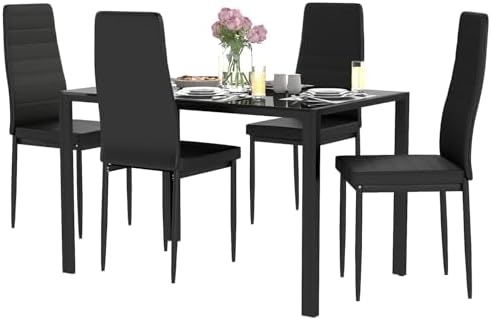
For those seeking style on a budget, the FurnitureR Tempered Glass Dining Table with elegant gold legs delivers a high-end look at an accessible price. The 47-inch surface comfortably seats four adults with room for table settings and shared dishes. The tempered glass provides good durability while maintaining a lightweight appearance that helps small spaces feel more open.
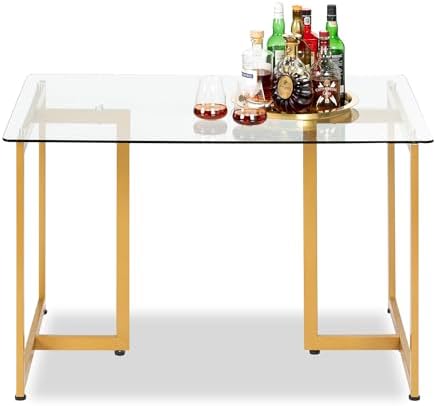
The Coaster Home Furnishings Gilman 64″ Rectangle Modern Dining Table represents the perfect balance of quality and value. Its expansive surface accommodates six diners comfortably, while the well-engineered metal base provides exceptional stability. The table’s perfect 5-star rating reflects its consistent performance and durability, making it our top recommendation for everyday family use.
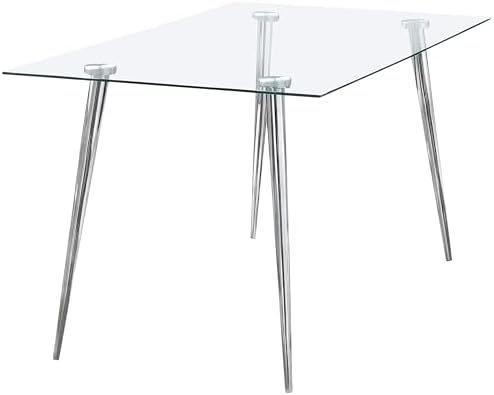
For those wanting something unique, the 24/7 Shop at Home Cosmo Modern Rectangle Table offers designer aesthetics at a reasonable price point. The gold and black base creates visual interest while supporting a generously sized tempered glass top. At $561, it delivers the look and feel of much more expensive designer pieces.
The SAFAVIEH Couture Collection Shaw Chrome Glass Top 54-inch Round Dining Table justifies its higher price tag with superior materials and construction. The architectural chrome base makes a dramatic statement while providing rock-solid support for the substantial glass top. This is furniture as functional art a conversation piece that elevates any dining space.
For those seeking the ultimate in luxury, the Armen Living Zoey Modern Contemporary 79-inch Rectangular Dining Table in maroon provides a truly unique aesthetic. The bold maroon tempered glass creates a dramatic focal point in any dining room. At over $1,600, this is an investment piece for design enthusiasts who want something truly distinctive.
If you’re seeking alternatives to glass, you might want to explore stylish alternatives like mango wood dining tables that offer different aesthetics and maintenance requirements.
Glass dining tables require specific maintenance to preserve their beauty and structural integrity. With proper care, a quality glass table can remain an elegant centerpiece in your home for many years. Follow these essential care and maintenance tips for glass dining tables to protect your investment.
The right cleaning approach prevents both damage and unsightly streaks. Use a soft microfiber cloth never paper towels or abrasive materials that can scratch the surface. For everyday cleaning, a solution of equal parts white vinegar and water in a spray bottle removes fingerprints and smudges effectively.
For stubborn spots, commercial glass cleaners work well, but avoid ammonia-based products that can damage protective coatings on some glass surfaces. Always spray cleaning solution onto your cloth rather than directly on the glass to prevent seepage into the edges or base connections.
For a streak-free finish, polish with a dry microfiber cloth after cleaning, working in circular motions. Consider expert tips on tempered glass durability and thickness to understand how proper cleaning maintains both the appearance and integrity of your table.
Prevention is crucial for maintaining glass tables. Always use placemats, coasters, and trivets to create a buffer between the glass and anything placed on it especially hot dishes that could cause thermal shock. Felt protectors should be applied to the bottom of any decorative items displayed on the table.
Consider table pads or tablecloths when hosting events where the table might see heavier use. Custom-fitted glass pads provide invisible protection while maintaining the table’s aesthetic appeal. These can be particularly valuable for households with children who might be doing homework or crafts at the table.
Inspect the table’s support mechanisms regularly. Loose hardware or degraded suction cups can compromise stability and potentially lead to breakage. Tighten any loose connections promptly and replace worn components before they fail.
The base of your glass table requires different care depending on its material. Metal bases should be wiped down regularly to prevent dust accumulation and checked for rust, especially in humid environments. Small rust spots can be treated with a rust converter before they spread.
Wooden bases benefit from occasional polishing with appropriate wood care products that match their finish. Watch for signs of warping in wooden elements, particularly if your dining area experiences significant humidity fluctuations. Using a dehumidifier in summer months and maintaining consistent indoor humidity can prevent many wood-related issues.
Painted or lacquered bases may chip over time. Touch up small chips promptly with matching paint to prevent moisture from reaching the underlying material. For chrome or brushed metal finishes, avoid abrasive cleaners that can damage the surface a soft cloth with mild soap usually suffices.
Even with proper care, glass tables may develop issues over time. Loose legs or wobbling require immediate attention check all hardware connections and tighten as needed. If the table uses suction cups to secure the glass top, clean both the cups and glass contact points thoroughly before reattaching.
For persistent smudges that won’t come clean with regular methods, a small amount of rubbing alcohol on a soft cloth can remove residue without damaging the glass. Shallow scratches in the glass can sometimes be minimized using commercial glass polishing compounds designed for this purpose.
If you encounter a crack in the glass, discontinue use immediately. Cracked glass compromises the structural integrity of the entire surface and poses a safety risk. Contact a glass specialist about replacement options most bases can be fitted with a new glass top at a fraction of the cost of replacing the entire table.
Tempered glass is considered the safest for dining room tables because it is heat-treated to shatter into small, less dangerous pieces if broken. When choosing the best dining room glass table, always look for products with a tempered glass top for family safety. Tempered glass is typically 4-5 times stronger than standard glass and more resistant to temperature changes and impacts.
For everyday dining, choose a glass top that is at least 1/2 inch (12mm) thick for proper strength and stability. If you want a lighter or smaller table, a thickness of 3/8 inch (10mm) can work for light or occasional use, but thicker is usually better for heavy use. Premium tables often feature 15-19mm glass that provides exceptional durability and minimizes flexing when items are placed on the surface.
Glass dining tables do show smudges and fingerprints more easily than other surfaces. However, regular cleaning with a soft cloth and glass cleaner helps keep them looking pristine. Some options have coatings to reduce smudges, but overall, maintenance is straightforward with daily care. The smooth surface makes cleaning food spills easier than textured materials, though it does require more frequent attention to maintain its sparkling appearance.
The base material and design are crucial for safety and style. Choose a base made of sturdy wood or metal that fully supports the glass and matches your room’s décor. Make sure the base can handle the weight of the glass top. The connection method between the base and glass is particularly important—quality tables use suction cups, rubber gaskets, or specialized hardware that prevents movement while protecting the glass from stress points.
Yes, most glass table tops can be replaced, but you must match the size, thickness, and edge finish of the original. It’s important to measure carefully and choose tempered glass for safety when replacing any tabletop. Local glass specialists can custom-cut replacements that match your specifications, often at a significant savings compared to purchasing an entirely new table. Keep the base measurements and any mounting hardware when ordering a replacement.
Round or oval glass tables are ideal for small dining rooms because they save space and improve flow. Smaller rectangular options can also work, but round shapes tend to maximize seating and accessibility in compact spaces. The absence of corners creates better traffic flow and reduces the risk of painful bumps when navigating tight spaces. Round tables also tend to create a more intimate dining experience, encouraging conversation among all diners.
Glass can scratch if hard objects are dragged across it, but tempered glass is more durable than standard glass. Using placemats and cleaning with non-abrasive tools helps preserve the finish and keep your table looking new. Minor scratches can sometimes be buffed out with specialized glass polishing compounds, but prevention remains the best approach to maintaining your table’s appearance over time.
Measure your dining space and leave at least 36 inches of clearance around the table for chairs and movement. When deciding how to choose the best dining room glass table size, consider how many people you want to seat comfortably for everyday use and special occasions. A helpful trick is to use painter’s tape to mark the proposed table dimensions on your floor this gives you a visual reference for how the piece will fit in your space and how it will affect traffic flow.