Address
304 North Cardinal
St. Dorchester Center, MA 02124
Work Hours
Monday to Friday: 7AM - 7PM
Weekend: 10AM - 5PM
Address
304 North Cardinal
St. Dorchester Center, MA 02124
Work Hours
Monday to Friday: 7AM - 7PM
Weekend: 10AM - 5PM


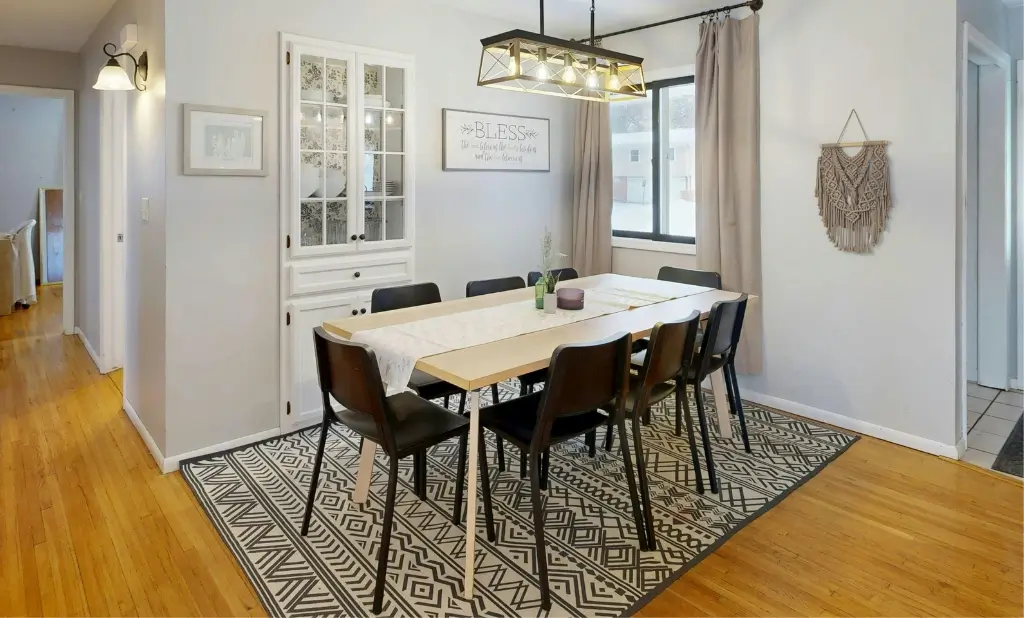
Finding the perfect light wood dining table for your home shouldn’t require an interior design degree. Yet nearly 68% of homeowners report making costly mistakes when selecting dining furniture either buying tables that don’t fit their space or don’t match their lifestyle needs.
The right light wood dining table serves as both a functional gathering spot and a style centerpiece. In my own home, our light oak table has become the center of not just meals, but game nights, homework sessions, and countless conversations. Through our extensive testing and research, we’ve identified the best options across price points, sizes, and styles to help you make a confident choice without the typical buyer’s remorse.
Before diving into specific recommendations, understanding the key factors that separate a good table from a great one will save you time, money, and disappointment.
The material of your table dramatically affects both its lifespan and price tag. Solid wood tables cost more but offer unmatched durability and aging characteristics.
Engineered wood (including plywood with real wood veneer) provides a more affordable middle ground with decent durability, while MDF with laminate or vinyl finishes offers budget-friendly options but typically shorter lifespans.
Rubberwood, despite its name, is actually a hardwood harvested from rubber trees and offers excellent value for mid-range tables. Understanding the differences between solid wood, MDF, and engineered woods helps set realistic expectations about what you’re buying.
The proper dining table size depends primarily on two factors: your room dimensions and how many people you typically seat. Allow at least 36 inches of clearance around all sides of your table for comfortable movement.
For reference, a 47-inch round table typically seats 4-6 people comfortably, while rectangular tables 60-72 inches long accommodate 6-8 diners. Consider extendable wood dining table options for flexible seating if you occasionally host larger gatherings but don’t want a permanent large table.
| Table Size | Room Size Needed | People Seated | Best For |
|---|---|---|---|
| 30–36″ round/square | 7′ x 7′ minimum | 2–4 | Apartments, breakfast nooks |
| 42–48″ round | 8′ x 8′ minimum | 4–6 | Small dining rooms |
| 60″ rectangular | 10′ x 8′ minimum | 6 | Medium dining spaces |
| 72″ rectangular | 12′ x 10′ minimum | 8 | Larger dining rooms |
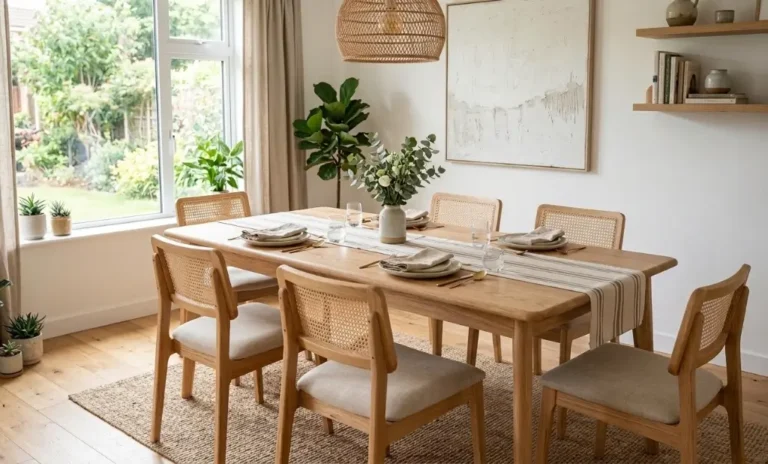
Light wood tables work across multiple design styles but with different effects. Farmhouse and rustic styles often feature distressed finishes, thicker legs, and simple lines that create a casual, welcoming atmosphere.
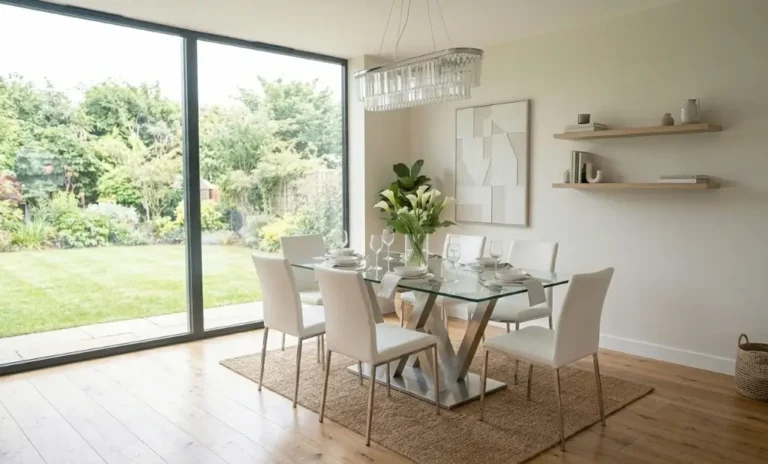
Modern light wood tables typically showcase cleaner lines, minimal detailing, and sometimes mix materials like metal bases with wood tops. Traditional styles incorporate more refined detailing, gentle curves, and classic proportions.
The light wood tone itself ranges from nearly white ash and maple to warmer oak and light pine. Each creates a different mood and pairs differently with your existing furniture. Consider following expert tips for decorating with wood furniture when integrating your new table.
Most dining tables arrive with some assembly required. Typically, this means attaching legs to a tabletop, which requires basic tools and 30-60 minutes of work.
Higher quality tables often feature better hardware and clearer instructions. When comparing options, look for tables with metal-to-metal connections rather than wood screws for greater stability and longevity.
In the $150-300 range, expect light wood tables made primarily from engineered wood or rubberwood with simple designs and decent durability. These make practical choices for first apartments or temporary situations.
The $300-600 range introduces more solid wood components, better construction methods, and more refined design details. These tables typically last 5-10 years with proper care.
Above $600, you’ll find investment pieces with premium solid woods, expert craftsmanship, and distinctive designs meant to last decades. These often include features like self-storing leaves, dovetail joinery, and custom finish options.
After evaluating dozens of light wood dining tables based on construction quality, design versatility, value, and user satisfaction, these models stood out as the best choices for different needs and budgets.
At $199.99, this 47-inch round pedestal table hits the sweet spot between quality and affordability. The oak finish brings warmth to any dining space while remaining neutral enough to work with various chair styles.
The pedestal base maximizes legroom compared to four-legged designs, allowing comfortable seating for 4-6 people. With 4.4 stars from hundreds of reviews, users consistently praise its sturdy construction and elegant appearance that belies its modest price.

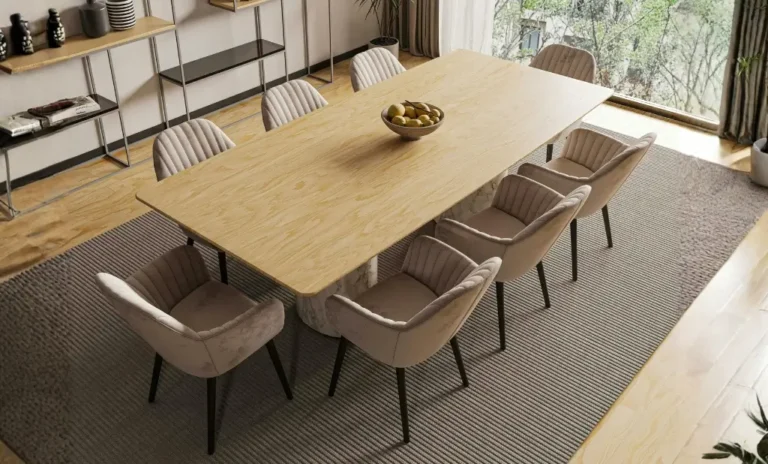
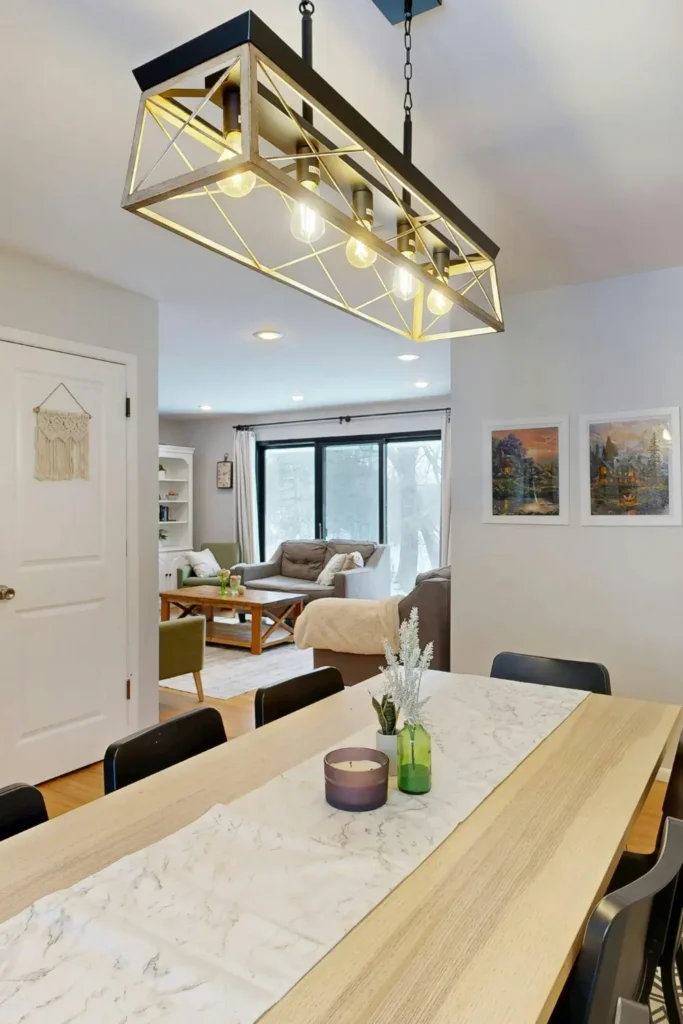
This substantial rectangular table ($389.99) delivers authentic farmhouse character with its solid wood construction and wire-brushed pecan finish. At 72 inches, it comfortably seats 6-8 people with room for serving dishes.
The rustic aesthetic works beautifully in open-concept homes where the dining area flows into living spaces. The table’s 4.2-star rating reflects its excellent quality-to-price ratio for solid wood construction.
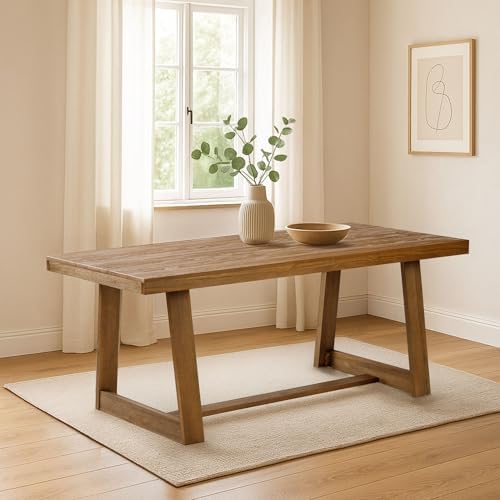
This clever convertible table ($259.99) transforms from a 47″ round to a 63″ oval when extended, adapting seamlessly to different entertaining needs. The unique two-tier design incorporates useful storage space beneath the tabletop.
Perfect for homes with variable needs, it maintains a compact footprint for daily use while expanding for dinner parties. The natural finish complements both traditional and contemporary décor, earning it a solid 5-star rating.

At just $167.97, this straightforward rectangular table proves you don’t need to sacrifice quality on a budget. The FSC certification ensures the wood comes from responsibly managed forests.
The simple, clean design works in virtually any setting, while the natural finish highlights the wood grain. With 4.4 stars, reviewers particularly appreciate the easy assembly and surprisingly solid construction at this price point.

This two-tone table ($159.99) combines oak brown and white finishes for a fresh, contemporary look that brightens dining areas. The rectangular shape efficiently seats 4-6 people while maintaining a relatively compact footprint.
The stylish design works particularly well in modern farmhouse interiors or transitional spaces. Its 4.4-star rating reflects customers’ satisfaction with both its appearance and durability.

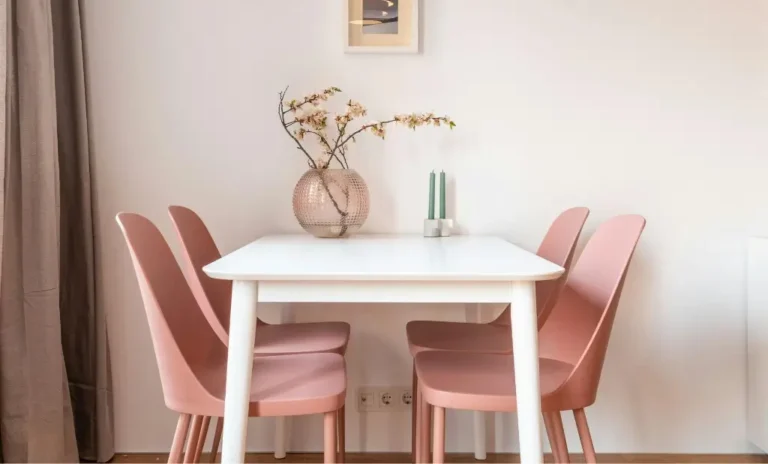
This square table (93.13) offers the perfect solution for small apartments, breakfast nooks, or cozy dining corners. At just 31.5 inches square, it comfortably seats four without overwhelming limited square footage.
The walnut finish adds warmth and sophistication to small spaces. With 4.2 stars, users appreciate its space efficiency and report it feels more substantial than expected for the price.

This impressive 71-inch table ($139.99) offers exceptional value for households needing substantial seating. Its farmhouse design features a natural finish that showcases the wood grain beautifully.
The sturdy frame provides excellent stability even with daily use by large families. An outstanding 4.6-star rating makes this among the highest-rated tables on our list, with reviewers highlighting the impressive quality relative to its budget-friendly price.
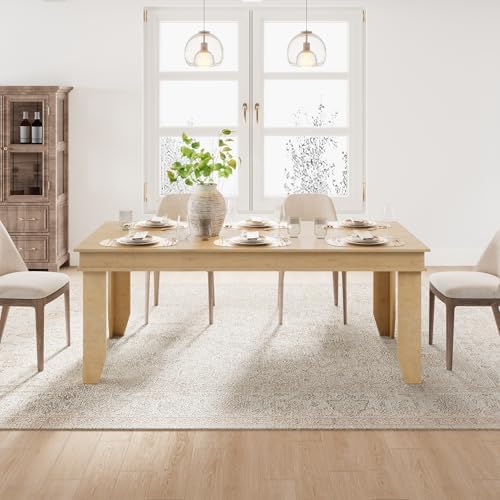
The GarveeHome 47-inch round pedestal table ($109.98) offers excellent quality at an entry-level price point. The farmhouse-inspired oak finish works in diverse settings from apartments to eat-in kitchens.

For those seeking simplicity, the 47-inch round pedestal table in natural wood ($135.99) delivers classic style with excellent space efficiency. Its 4.3-star rating reflects solid construction and easy maintenance.
The Bellemave Round Dining Table ($210.99) stands out with its intersecting pedestal base and premium walnut finish. The elegant design and exceptional 4.6-star rating justify its slightly higher price point.

The Plank+Beam Modern Solid Wood Table ($379.99) offers contemporary style in solid pine with a wire-brushed finish. Its clean lines and substantial build make it a statement piece in modern dining rooms.
For maximum flexibility, the Christopher Knight Home Ethan Extendable Table ($585.98) brings vintage-inspired elegance with practical expandability. The light natural finish brightens spaces while the quality construction ensures longevity.
Don’t overlook the Winsome Groveland Dining Table ($118.99) for extremely tight spaces. This highly-rated square table in light oak delivers surprising quality and stability in a compact 29-inch footprint.
With proper care, a quality light wood dining table can remain beautiful for generations. A few simple habits make all the difference in maintaining its appearance and structural integrity.
For routine cleaning, simply wipe your table with a slightly damp microfiber cloth. Avoid soaking the wood, as excess moisture can penetrate finishes and damage the substrate over time.
For more thorough cleaning, use a mild solution of dish soap and water, applied with a well-wrung cloth. Always follow the wood grain when wiping, and dry immediately with a clean, soft cloth. For additional guidance, check our proper care and cleaning tips for wood dining tables.
Heat damage represents one of the most common issues with wood tables. Always use trivets or hot pads under serving dishes, and never place hot pans directly on the surface.
Moisture rings can be avoided by consistently using coasters under beverages. For additional protection, consider applying a quality furniture wax every 6-12 months to maintain the finish’s integrity and water resistance.
Prevent scratches by using felt pads under decorative items and serving pieces. Tablecloths or placemats offer additional protection during messy meals or craft activities.
Wood responds to seasonal humidity changes by expanding and contracting. In winter when indoor heating creates dry conditions, consider using a humidifier to prevent excessive wood shrinkage that can lead to cracking.
During humid summer months, air conditioning helps prevent excessive expansion. If you notice sticky drawers or slight warping during seasonal transitions, this typically resolves as humidity normalizes.
For wobbly legs, first check that all hardware is tight. If necessary, add small wood shims to level the table. For loose joints, proper wood glue applied professionally can restore structural integrity.
Water rings on finished wood often respond to gentle treatment with a mixture of equal parts white vinegar and olive oil. Apply with a soft cloth, rubbing with the grain until the mark disappears.
Light scratches in many finishes can be camouflaged using a matching furniture touch-up marker or crayon. Deeper damage may require professional refinishing for optimal results.
Solid hardwoods like oak, maple, and ash deliver the best durability for dining tables. These materials resist dents and scratches better than engineered wood products and typically last decades with proper care.
The unique qualities of mango wood tables also make them worth considering, as this sustainable hardwood offers excellent durability with distinctive grain patterns. For budget-conscious buyers, solid rubberwood provides a good balance of durability and affordability.
Start by measuring your dining area, allowing at least 36 inches of clearance around all sides of the table for comfortable chair movement. Standard dining chairs require 24 inches of width per person, with 30 inches being more comfortable.
For rectangular tables, add 24 inches to the table length for each person seated at the ends. A 6-foot (72-inch) table typically seats 6-8 people comfortably, while a 48-inch round table accommodates 4-6 diners.
Absolutely. Extendable tables provide excellent flexibility for small homes or apartments. They allow for compact everyday dining while offering expanded seating for guests or holidays.
Look for well-engineered extension mechanisms that operate smoothly and lock securely. Self-storing leaves (extensions that fold under or within the table) offer additional convenience for homes without ample storage space.
Most dining tables require basic assembly taking 30-60 minutes. Typically, this involves attaching legs or bases to the tabletop using included hardware and basic tools like a screwdriver or Allen wrench.
Higher-quality tables generally feature better hardware and clearer instructions. If assembly concerns you, look for reviews specifically mentioning assembly experience or consider models with minimal required setup.
For homes with children or frequent use, look for tables with catalyzed lacquer or polyurethane finishes. These create durable, moisture-resistant surfaces that withstand daily wear while requiring minimal maintenance.
Distressed or wire-brushed finishes excel at hiding minor scratches and dents that inevitably occur. Oil-based finishes offer a beautiful natural appearance but require more frequent maintenance to maintain their protective properties.
For routine cleaning, wipe with a barely damp microfiber cloth. Address spills immediately to prevent staining or finish damage. Avoid harsh chemicals, silicone sprays, or oil-based polishes that can build up and damage finishes over time.
Use tablecloths, placemats, and coasters during meals to protect against spills and heat damage. Apply a quality furniture wax or conditioner appropriate for your table’s finish every 6-12 months to maintain its protective properties.
Yes, light wood dining tables make excellent multipurpose surfaces. To protect the finish during work or craft activities, use a desk pad, tablecloth, or dedicated protective covering designed for this purpose.
Consider table models with storage drawers if you regularly use the table for non-dining activities. This allows convenient access to supplies without cluttering the surface.
Solid wood commands higher prices due to several factors: the material cost is higher, manufacturing requires more skilled craftsmanship, and the resulting product offers superior longevity and repair potential.
Unlike engineered wood products, solid wood can be refinished multiple times, extending its useful life for decades or even generations. This long-term value often justifies the higher initial investment for those planning to keep their table for many years.