Address
304 North Cardinal
St. Dorchester Center, MA 02124
Work Hours
Monday to Friday: 7AM - 7PM
Weekend: 10AM - 5PM
Address
304 North Cardinal
St. Dorchester Center, MA 02124
Work Hours
Monday to Friday: 7AM - 7PM
Weekend: 10AM - 5PM


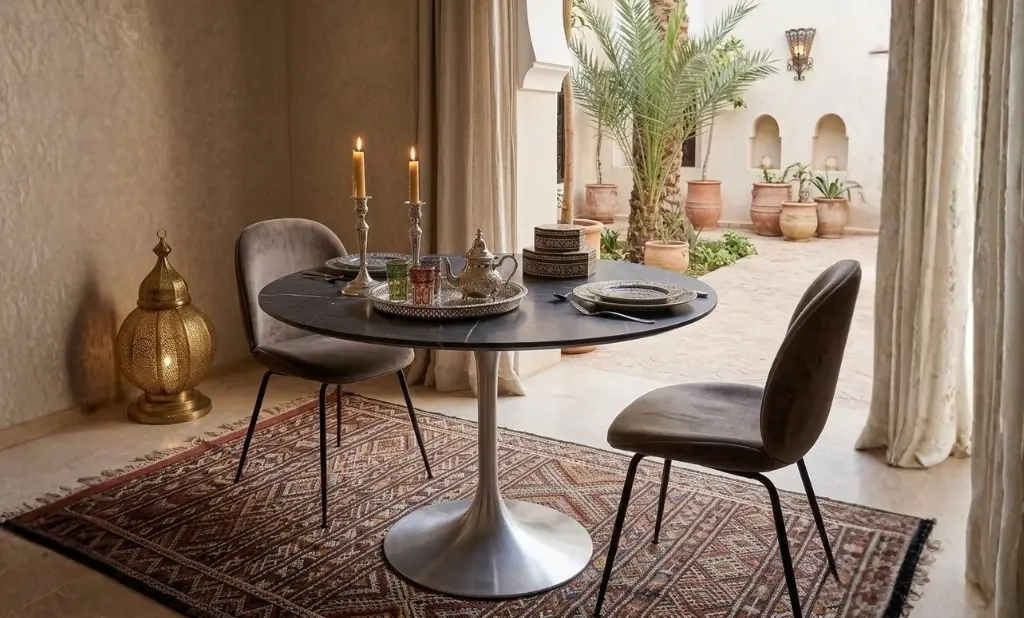
Metal dining tables bring a bold, distinctive character to any dining space, but they demand specific care routines that many owners overlook. I still remember running my fingers across my first stainless steel dining table, amazed at how the cool, smooth surface could make such a bold statement in my apartment. Rust and corrosion aren’t inevitable outcomes they’re simply signs of neglected maintenance. Your metal dining table can maintain its striking appearance for decades with the right attention.
The difference between a well-maintained metal table and a deteriorating one often comes down to a few simple care practices. Through our extensive testing and research, we’ve identified the most effective methods to prevent damage and extend the life of these statement pieces.
Whether you own a sleek stainless steel surface, a classic wrought iron design, or a modern aluminum table, these specialized care techniques will protect your investment and preserve its beauty. Let’s explore what actually works and what doesn’t when it comes to metal table maintenance.

Before diving into how to care for your metal dining table techniques, understanding your specific metal dining table is essential. Different metals require different maintenance approaches, and knowing what you have is the first step in proper care.

Stainless steel tables offer exceptional corrosion resistance and require minimal maintenance. They’re ideal for busy households and can withstand most cleaning products, though harsh abrasives should still be avoided. Most stainless steel tables feature a protective chromium oxide layer that self-heals when exposed to oxygen.
Aluminum tables are lightweight and naturally resistant to rust, making them perfect for indoor-outdoor transitional spaces. However, they can develop a chalky oxidation layer over time that requires periodic cleaning. Aluminum is also more susceptible to denting and scratching than other metals.
Wrought iron tables provide classic elegance and remarkable durability, but they require the most vigilant care against rust. These tables typically come with protective coatings that must be maintained to prevent moisture from reaching the raw metal beneath. In coastal or humid environments, wrought iron demands seasonal resealing and prompt attention to any coating damage.
If you’re still deciding which type best suits your needs, compare different types of metal dining tables to find your perfect match.
The size of your metal dining table affects not just how many people can dine comfortably but also impacts your cleaning and maintenance routine. Larger tables naturally require more time and product for thorough care.
For small spaces or apartments, a 30-inch round or square table comfortably seats two people while being manageable for quick wipe-downs. A 42-48 inch rectangular or oval table seats four and represents the most common size for household dining areas.
For larger gatherings, 60-inch tables accommodate six people, while 72-84 inch tables seat eight or more. Remember that more substantial tables may require partial disassembly for deep cleaning or seasonal storage, so factor maintenance accessibility into your decision.
Industrial-style metal dining tables often feature exposed hardware, mixed materials like wood and metal, and distressed finishes. These tables actually benefit from a less fussy maintenance approach minor imperfections add to their character, though structural issues still need addressing.
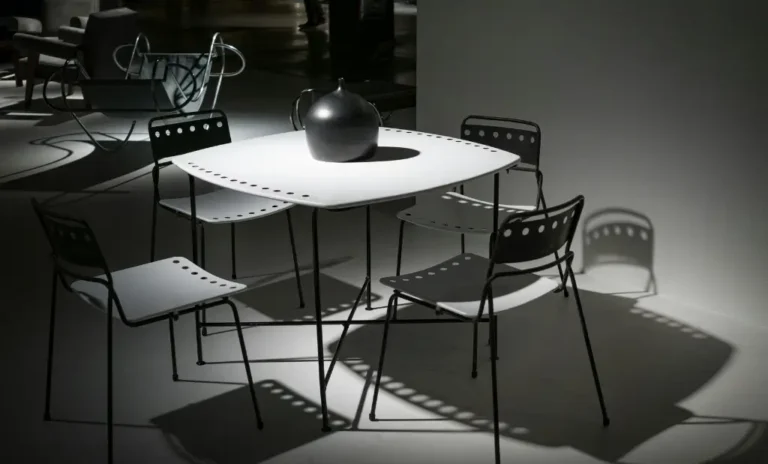
Modern metal tables typically showcase sleek lines, minimalist designs, and high-polish or matte finishes. These surfaces often show fingerprints and water spots more readily, requiring more frequent wiping to maintain their clean aesthetic.
Minimalist tables focus on function with limited ornamentation, making them easier to clean but potentially more noticeable when scratches or damage occur. The uncluttered surfaces leave nowhere for imperfections to hide.
To see how these different styles can transform various spaces, discover the versatility of metal dining tables in various spaces.
Proper assembly creates the foundation for a stable, long-lasting metal dining table. Missing or improperly tightened hardware contributes to wobbling, which creates stress points that can damage both the table and your flooring.
Most metal dining tables come with manufacturer-supplied hardware that’s specifically designed for the table’s materials and weight capacity. Never substitute generic hardware without consulting the manufacturer, as this can compromise structural integrity and void warranties.
Before assembly, inventory all parts and read the instructions completely. Many metal tables require two people for safe assembly, particularly when attaching heavy tabletops to bases. Apply thread-locking compounds to hardware in areas that will experience regular movement to prevent loosening over time.
Budget-friendly metal dining tables ($100-$300) typically feature thinner metals, veneer-covered surfaces, or steel with basic powder coating. While functional, these tables often require more diligent care to prevent damage to their thinner protective finishes.
Mid-range options ($300-$600) offer improved construction with thicker metals, better joinery, and more durable protective treatments. These tables strike a balance between affordability and maintenance requirements, typically lasting 5-10 years with proper care.
Premium metal dining tables ($600+) provide superior craftsmanship with commercial-grade metals, precision welding, and multi-layer protective systems. These investment pieces often feature marine-grade stainless steel or custom-patinated surfaces designed to last decades with basic maintenance.
When deciding which price point meets your needs, consider how long you expect to keep the table and what level of maintenance you’re willing to perform. If you’d like to further understand the value proposition, explore the benefits of choosing a metal dining table at different price points.
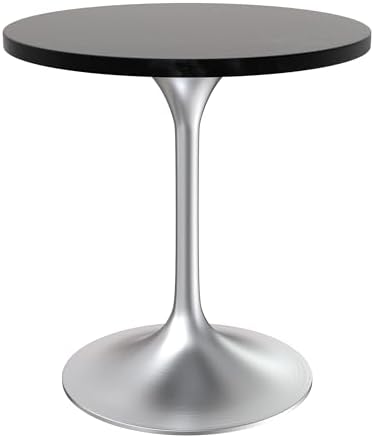
Proper care routines transform your metal dining table from a temporary purchase into a lasting investment. These maintenance practices prevent costly damage and preserve your table’s appearance through years of use.
For daily cleaning, a microfiber cloth lightly dampened with warm water removes most dust, fingerprints, and light soil. Microfiber’s fine structure traps particles rather than scratching them across the surface, protecting your table’s finish from microscopic abrasions.
For deeper cleaning, mild dish soap diluted in warm water effectively removes greasy residues and food spills. Apply with a soft cloth using gentle pressure, then rinse with a clean damp cloth and immediately dry with a fresh towel to prevent water spots or potential oxidation.
Avoid commercial metal polishes unless specifically recommended by your table’s manufacturer. Many contain abrasives or chemicals that can damage protective coatings. Similarly, vinegar and other acidic cleaners can etch certain metal finishes and should be used with extreme caution if at all.
The Caring for Metal Objects – Canadian Conservation Institute Preventive Conservation Guidelines offer additional insights into how conservators protect valuable metal pieces using techniques that can be adapted for home use.
Prevent scratches by using table linens, placemats, or coasters during meals. For tables used for work or crafts, a protective pad or mat distributes pressure and creates a barrier against accidental gouges or chemical exposure from art supplies.
Control humidity around your metal table by maintaining indoor humidity levels between 40-60%. In particularly humid regions, consider a dehumidifier in rooms with metal furniture. For dry climates, avoid placing metal tables near heating vents where extreme dryness can stress joints and finishes.
Apply a protective wax or sealant appropriate for your table’s specific metal type every 3-6 months. These products create an invisible barrier against moisture, fingerprints, and minor scratches. Clear paste wax works well for most indoor tables, while outdoor pieces may require specialized marine-grade protectants.
For detailed guidance on specific protective measures for different metal types, the Curatorial Care of Metal Objects – National Park Service Museum Handbook Appendix provides professional-level information on protection protocols.
Indoor metal tables benefit from quarterly maintenance checks where you inspect and tighten any loose hardware. This practice prevents the small wobbles that eventually lead to structural weakening and potential finish damage at stress points.
For outdoor metal dining tables, perform a thorough cleaning and resealing before winter storage. Remove any cushions or fabric elements and store these separately in weather-proof containers to prevent mold and moisture transfer to the metal components.
If your outdoor metal table must remain exposed to the elements year-round, consider a custom-fitted, breathable furniture cover. These specialized covers allow air circulation while blocking direct moisture exposure, preventing the condensation buildup that traps water against metal surfaces.
In coastal environments, monthly inspections for salt residue are essential regardless of season. Salt accelerates corrosion on all metal types and should be promptly removed with fresh water and thorough drying, followed by reapplication of protective sealants.
For minor rust spots on iron or steel tables, gently remove the rust with 0000-grade steel wool, then immediately apply a rust converter product to stabilize the affected area. Once the converter cures according to manufacturer directions, apply touch-up paint matched to your table’s finish, followed by a clear protective sealant.
Scratched protective coatings require prompt attention to prevent moisture penetration. Clean the scratched area thoroughly, lightly sand with 600-grit or finer sandpaper to create a smooth transition, then apply a matching touch-up paint or clear coat designed for your table’s specific finish.
For loose joints or connections, disassemble the affected area, clean all contact surfaces and hardware, then reassemble using appropriate thread-locking compounds on screws. In some cases, replacing standard screws with slightly larger gauge versions can restore stability to worn connection points.
Deep dents or severe damage may require professional attention, particularly for tables with special finishes or collector value. Many furniture restoration specialists have the tools and materials to match proprietary finishes that aren’t available to consumers.
To care for your metal dining table, use a soft microfiber cloth with mild dish soap and warm water. Avoid harsh cleaners containing ammonia, bleach, or abrasives that can etch or dull protective finishes. Always test any new cleaning product on an inconspicuous area first.
For stubborn spots, make a paste using baking soda and water, apply it gently with a soft cloth, then rinse and dry thoroughly. The slightly alkaline nature of baking soda removes many stains without harming most finishes, though it should be avoided on unprotected aluminum.
Complete the cleaning process by buffing with a dry microfiber cloth in the direction of the metal’s grain (if visible). This final step removes any cleaning residue and restores the table’s natural luster without artificial polishes or sprays.
Protect your metal dining table by applying a silicone-based wax or specialized metal sealant every 3-6 months, creating a moisture barrier that prevents corrosion. For tables with painted or powder-coated finishes, automotive wax provides excellent protection and brings out the depth of color.
Regularly inspect your table for chips or scratches that expose bare metal, especially around edges and joints where wear occurs most frequently. These vulnerable areas should be touched up immediately, as even small breaches in the protective finish can allow moisture to creep under adjacent areas.
In humid environments, place small silica gel packets or moisture absorbers in dining rooms when tables won’t be used for extended periods. These inexpensive moisture traps protect your table by reducing the ambient humidity that accelerates oxidation and rust formation.
Many metal dining tables are indeed designed for both indoor and outdoor use, but always verify by checking the manufacturer’s specifications. Outdoor-rated tables typically feature specialized weather-resistant finishes, drainage holes, and corrosion-resistant hardware that indoor-only tables lack.
Stainless steel (particularly grades 304 and 316) and aluminum tables resist outdoor elements best, while standard steel and iron require vigilant maintenance. Powder-coated finishes provide good outdoor protection but need regular inspection for chips that could allow water to reach the metal beneath.
Even outdoor-rated metal tables benefit from seasonal storage in harsh climates. If storage isn’t possible, elevate the table slightly off the ground during winter months to prevent freeze-thaw cycles from pushing moisture into the legs, and ensure table tops can drain properly rather than holding standing water or snow.
For small rust spots, gently scrub with 0000-grade steel wool or a rust eraser (available at hardware stores). Work in the direction of the metal’s grain using minimal pressure to avoid creating scratches larger than the rust spot you’re removing.
After physically removing visible rust, apply a rust converter product that transforms any remaining rust into a stable compound that resists future corrosion. These products change the chemical composition of rust from iron oxide to a more stable form that can be painted over.
Complete the repair by applying touch-up paint matched to your table’s finish, followed by a clear protective sealant. For valuable or antique tables, consider consulting a professional restorer, as DIY rust removal on significant areas can potentially reduce the furniture’s value if not done correctly.
Acidic cleaners like vinegar or lemon juice can damage many protective coatings and finishes on metal dining tables. The acids can etch protective layers, creating microscopic roughness that attracts and holds dirt while providing entry points for moisture that leads to corrosion.
Aluminum is particularly vulnerable to damage from acidic cleaners, which can create a dull, pitted surface that cannot be restored without professional refinishing. Even stainless steel, while more resistant, can develop spots or discoloration from prolonged exposure to acids.
Instead of acidic cleaners, opt for pH-neutral soap and water solutions that effectively clean without compromising your table’s protective barriers. If you must remove mineral deposits or hard water stains, use products specifically formulated for your table’s metal type rather than household acids.
Apply clear silicone furniture feet or felt pads to the bottom of all legs, creating a protective buffer between your table and the floor. These inexpensive additions prevent both floor damage and the metal-on-floor contact that chips away at protective finishes.
For extra protection in high-traffic areas, consider transparent corner guards on rectangular or square tables where passing traffic might bump legs. These clear protectors absorb impact that would otherwise chip paint or dent the metal underneath.
When moving your metal dining table, always lift rather than drag it, even for short distances. The momentary convenience of dragging creates abrasions that compromise protective finishes, especially at pressure points where the weight of the table concentrates force.
Clean your metal dining table thoroughly using appropriate mild cleaners, paying special attention to joints, crevices, and understructures where moisture and debris collect. Residual dirt can trap moisture against the metal during storage, creating ideal conditions for corrosion.
Once completely clean and thoroughly dry, apply a fresh coat of protective wax or sealant appropriate for your table’s specific metal. This additional barrier provides crucial protection during storage when you won’t be regularly inspecting the piece for potential issues.
Store tables in climate-controlled environments whenever possible, avoiding uninsulated garages or sheds where temperature and humidity fluctuations accelerate deterioration. If disassembly is an option, separate table bases from tops and wrap each component in breathable furniture covers rather than plastic, which can trap condensation.
For water spots on most metal finishes, a paste made from equal parts baking soda and water applied with a soft cloth often removes the mineral deposits without abrasion. Use gentle circular motions, then rinse thoroughly and dry immediately to prevent new spots from forming.
Stubborn food stains may require a specialized metal cleaner matched to your table’s specific metal type and finish. Always test these products on an inconspicuous area first, as formulations for stainless steel can damage aluminum or coated surfaces.
For grease stains, a solution of warm water and mild dish soap applied with a microfiber cloth typically removes the residue without damaging finishes. For persistent grease, a small amount of isopropyl alcohol on a cloth can break down the oils, but should be promptly rinsed away to prevent potential finish damage from prolonged exposure.