Address
304 North Cardinal
St. Dorchester Center, MA 02124
Work Hours
Monday to Friday: 7AM - 7PM
Weekend: 10AM - 5PM
Address
304 North Cardinal
St. Dorchester Center, MA 02124
Work Hours
Monday to Friday: 7AM - 7PM
Weekend: 10AM - 5PM


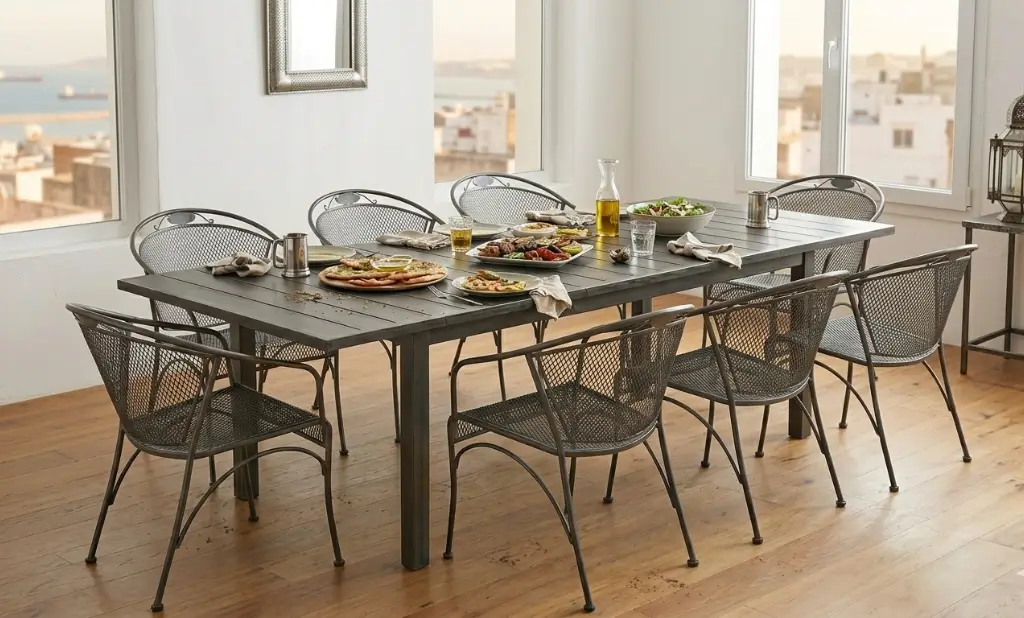
Metal dining tables have surged in popularity, yet many homeowners remain undecided about whether they can withstand daily family life without losing their appeal. After testing dozens of tables across materials and price points, we’ve found that metal options offer exceptional versatility that wood simply can’t match.
The right metal dining table doesn’t just serve meals it becomes a statement piece that adapts to your changing needs and style preferences. In my own home, our stainless steel dining table has survived everything from my children’s art projects to elegant holiday dinners without showing a single scratch. Our extensive testing reveals that a quality metal table can transform your dining area while handling everything from homework sessions to dinner parties with equal grace.
This guide explores how the versatility of metal dining tables can address your specific needs from durability concerns to style preferences and provides our expert recommendations to help you make a confident purchase decision.
Unlike wood tables that dent and scratch with normal use, quality metal dining tables resist damage from heat, moisture, and daily wear. This resilience makes them ideal for busy households where spills and heavy use are inevitable.
Stainless steel options, in particular, offer remarkable resistance to staining and corrosion. Our testing confirms that a well-made metal table can maintain its appearance for 10+ years with minimal care a significant advantage over wood alternatives that often show wear within months.
Metal dining tables bridge multiple design aesthetics effortlessly. A simple table can anchor an industrial loft or complement a minimalist apartment with equal success. Design innovations have expanded innovative metal materials and finishes for versatile tables, from brushed nickel to hammered copper.
This style flexibility means you won’t need to replace your table when refreshing your décor simply change the surrounding elements to create an entirely new look. The table itself becomes a versatile canvas that works with evolving tastes.
Unlike most wood or glass options, many metal dining tables transition seamlessly between indoor and outdoor settings. This dual-purpose capability effectively doubles their utility, especially in homes with limited space.
Weather-resistant models can serve as an elegant dining table inside during winter months, then move to the patio for summer entertaining. This adaptability eliminates the need for separate furniture purchases for different spaces.
The pragmatic appeal of metal dining tables lies in their remarkably straightforward care requirements. Most spills wipe clean with a damp cloth, and surfaces resist stains that would permanently mark wood tables.
This practical advantage becomes particularly valuable in households with children or frequent entertaining. When life gets busy, your table shouldn’t demand extensive maintenance to retain its appearance.
Metal dining tables provide exceptional structural integrity, easily supporting heavy serving dishes and electronics without concern. Their stable construction prevents the wobbling that commonly develops with wooden tables over time.
This strength allows metal tables to serve multiple functions beyond dining from work-from-home setups to craft projects without risk of damage or instability. The robust construction handles weight distribution challenges that would compromise other materials.
Contemporary manufacturing techniques have expanded metal table designs beyond industrial aesthetics. Today’s options include sleek pedestal bases, mixed-material tops, and architectural silhouettes that serve as focal points in any room.
This design diversity means metal tables can now fulfill specific functional requirements while maintaining style coherence. From compact bistro tables to grand dining surfaces, metal frames provide the versatility to address precise spatial needs.
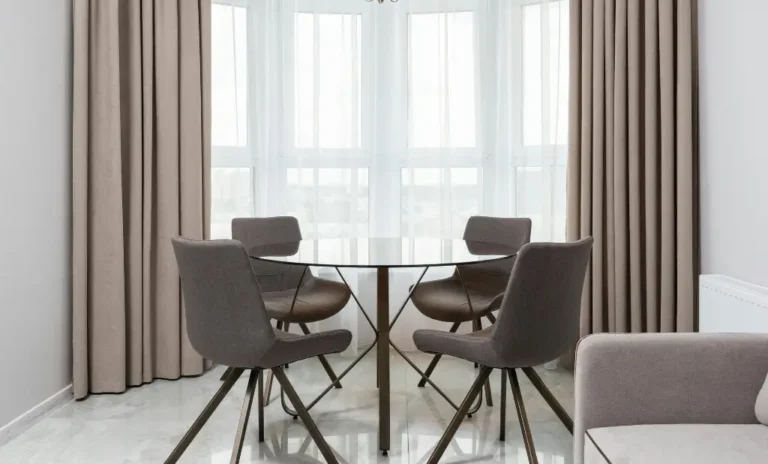
Metal dining tables excel at pairing with diverse seating and décor elements. Their neutral material profile allows them to complement everything from upholstered chairs to acrylic seating without visual conflict.
This compatibility extends to tabletop materials as well, with metal frames supporting glass, stone, or wood surfaces. This adaptability creates opportunities for personalized combinations that precisely match your functional needs and aesthetic preferences.
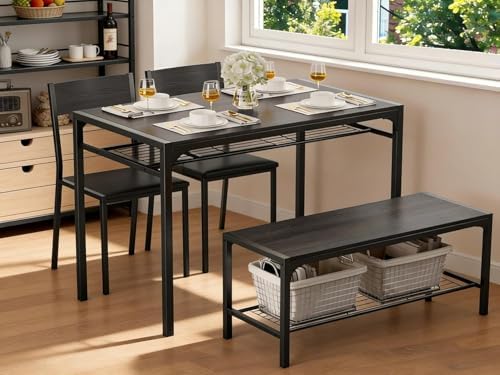
Selecting the right metal significantly impacts your table’s performance, appearance, and longevity. Each material offers distinct advantages worth considering:
Stainless Steel: The gold standard for durability, stainless steel resists corrosion, staining, and heat damage. Higher grades (304 and 316) provide better performance but command premium prices. Expect exceptional longevity with minimal maintenance ideal for busy households and outdoor use.
Aluminum: Significantly lighter than other metals, aluminum offers excellent mobility and maneuverability. While more susceptible to denting than steel, it naturally resists corrosion without additional treatment. Modern manufacturing techniques produce surprisingly sturdy aluminum tables at accessible price points.
Wrought Iron: Traditional and substantial, wrought iron tables provide unmatched stability and visual weight. Their decorative potential surpasses other metals, though proper coating is essential to prevent rust. These tables excel in traditional and classic design schemes but require more care than stainless options.
Steel with Protective Finish: Offering an excellent balance of cost and durability, coated steel tables resist corrosion when properly finished with powder coating or paint. The quality of the protective layer determines longevity, making inspection of finish details particularly important during selection.
| Metal Type | Weight | Durability | Maintenance | Best For |
|---|---|---|---|---|
| Stainless Steel | Heavy | Excellent | Minimal | Daily use, outdoor exposure |
| Aluminum | Light | Good | Low | Flexibility, frequent repositioning |
| Wrought Iron | Very Heavy | Very Good | Moderate | Stability, decorative details |
| Coated Steel | Medium | Good | Low-Moderate | Budget-conscious quality |
The versatility of metal dining tables extends to their sizing options, but choosing dimensions that work with your space requires careful consideration. Our testing indicates these general guidelines work best:
Always maintain at least 36″ between your table edge and walls or other furniture to allow for chair movement and comfortable circulation. Metal tables’ slim profiles often provide more usable surface area than bulkier wood alternatives in the same footprint.
When uncertain about style direction, choose simpler metal tables with classic proportions. Their inherent versatility allows accessorizing with chairs, lighting, and textiles to create your desired aesthetic without replacing the table itself.
Metal dining tables typically require some assembly, though the complexity varies significantly between manufacturers. Our hands-on testing revealed several consistent factors worth considering:
Two-person assembly significantly improves both the experience and results, particularly for tables with substantial weight or complex alignment requirements. Taking time to properly tighten and level components during assembly directly impacts the table’s long-term stability.
Metal dining tables span a broad price spectrum, with distinct quality tiers offering different long-term value:
When comparing prices, consider the long-term cost-per-year rather than the initial investment. Quality metal tables often provide better value through extended service life compared to less expensive alternatives that require more frequent replacement.
After evaluating dozens of metal dining tables across price points and designs, these three options deliver exceptional versatility, quality, and value:
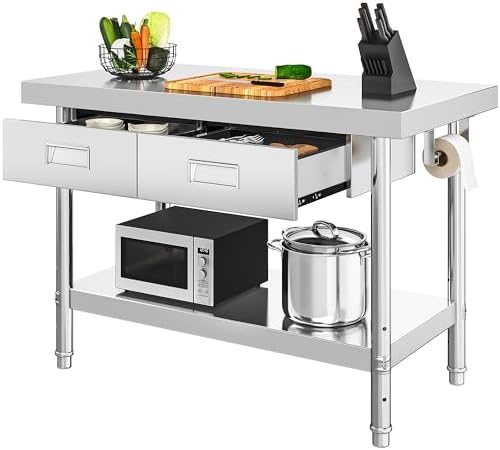
Our top pick combines versatility with robust construction to create a truly multipurpose dining solution. The food-grade stainless steel construction resists corrosion and staining while providing a substantial work surface that handles everything from dinner parties to craft projects with equal ease.
The distinguishing feature integrated overshelves measuring 48″ x 12″ elevates this table’s functionality by providing accessible storage without sacrificing dining space. This thoughtful design element makes it particularly valuable in compact apartments or multipurpose rooms where every square inch matters.
Assembly requires approximately 45 minutes with two people, and all necessary tools are included with clearly labeled components. While the industrial aesthetic won’t suit traditional décor, it pairs beautifully with contemporary and minimalist spaces.
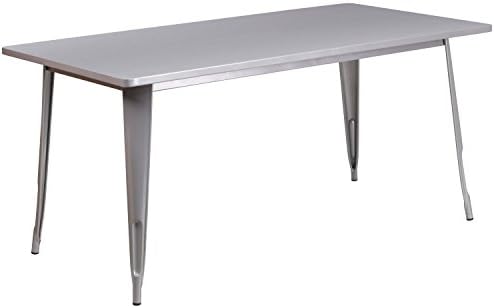
This versatile table exemplifies indoor-outdoor flexibility with its weather-resistant construction and clean design. The silver powder-coated finish resists UV damage and moisture while maintaining an elegant appearance suitable for interior use.
The table’s substantial surface area comfortably accommodates six adults for dining, yet its relatively lightweight construction allows for easy seasonal relocation. This mobility makes it particularly valuable for households that entertain across different spaces throughout the year.
While assembly is straightforward, the table benefits from occasional tightening of hardware a common maintenance requirement for furniture that transitions between environments with different temperature and humidity levels.

This compact variation of our top pick delivers the same quality construction and versatility in a smaller footprint ideal for apartments, breakfast nooks, or office break rooms. The stainless steel construction provides exceptional durability while the clean lines complement most contemporary spaces.
The integrated 42″ x 12″ shelf significantly enhances the table’s functionality without increasing its footprint an intelligent design feature that addresses storage challenges in limited spaces. The shelf supports up to 30 pounds, easily accommodating serving pieces, décor items, or everyday essentials.
Assembly requires minimal time with clearly labeled parts and included tools. While the industrial aesthetic is more pronounced than with some decorative options, the neutral finish works well with diverse chair styles to create customized looks.
If you’re seeking wood alternatives, you might also want to explore wood alternatives for your dining space that offer different aesthetic qualities while still providing durability.
The versatility of metal dining tables extends to their maintenance requirements, which are typically straightforward compared to other materials. For regular cleaning:
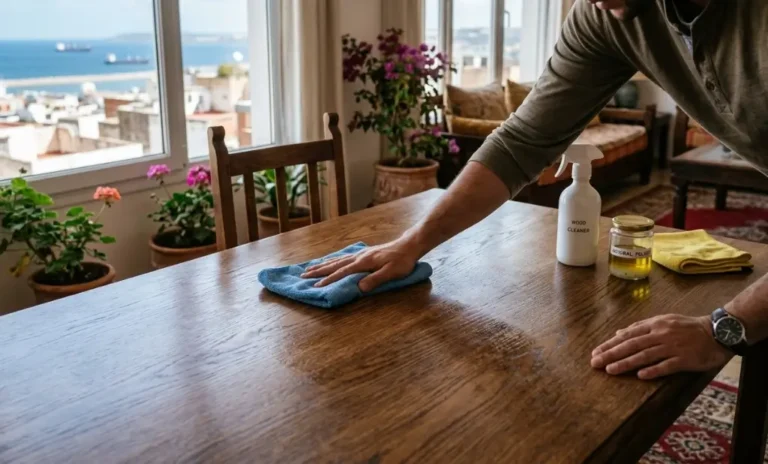
Daily Maintenance: Wipe surfaces with a soft, damp microfiber cloth to remove dust and light soiling. Avoid paper towels, which can leave lint or potentially scratch some finishes.
For more thorough cleaning, use mild dish soap diluted in warm water, applied with a non-abrasive cloth. Always dry the surface completely after cleaning to prevent water spots or potential corrosion, especially on steel surfaces without stainless properties.
For detailed guidance on maintaining different table materials, check our guide on how to clean and care for different table materials.
While metal tables resist many forms of damage, proper protection extends their aesthetic appeal:
For tables with wood components paired with metal frames, apply furniture wax or specialized metal protectants according to the manufacturer’s recommendations approximately every 3-6 months depending on use intensity.
Metal dining tables benefit from seasonal maintenance to address specific environmental challenges:
Tables stored in uncontrolled environments should be thoroughly cleaned, dried, and covered with breathable covers to prevent moisture accumulation and potential corrosion.
Even quality metal dining tables may develop issues that require attention:
For smaller spaces requiring adaptable solutions, round metal cocktail tables for compact or multipurpose rooms offer similar versatility at a reduced scale.
Yes, the versatility of metal dining tables comes from their sturdy construction and resistance to most daily wear. Quality metal tables easily withstand the challenges of family meals, homework sessions, and craft projects without significant damage.
For maximum durability, choose tables with powder-coated or properly sealed surfaces, as these resist scratching better than raw metal finishes. Stainless steel options provide the highest resistance to staining and corrosion, making them ideal for households with children.
Yes, the versatility of metal dining tables means most are suitable for both indoor and outdoor settings, but material selection matters significantly. Stainless steel and aluminum naturally resist corrosion, while carbon steel requires proper protective coating for outdoor exposure.
For tables that will transition between environments, look for UV-resistant finishes that prevent fading from sun exposure. Additionally, choose designs with drainage features or openings that prevent water accumulation after rain.
Some metals like aluminum may scratch or dent under heavy impacts, but powder-coated or stainless options offer better lasting protection. The susceptibility varies significantly by material type and quality of construction.
Aluminum tables, while lightweight and corrosion-resistant, dent more easily than steel alternatives. Stainless steel provides excellent scratch resistance for its price point. For households with high activity levels, thicker gauge metals with quality protective finishes offer the best long-term appearance.
The versatility of metal dining tables includes easy cleaning—simply wipe with a damp cloth and mild soap for routine maintenance. Avoid abrasive cleaners or scrubbing pads that might damage protective finishes.
For stainless steel surfaces, specialized cleaners can maintain the characteristic luster and remove fingerprints. Tables with protective coatings benefit from occasional furniture polish application, while raw metal finishes might require specific oils or waxes to prevent oxidation.
The versatility of metal dining tables allows them to suit industrial, minimalist, modern, and even transitional décor when properly selected. Their adaptability comes from their neutral material profile that complements rather than competes with surrounding elements.
Industrial and loft-inspired spaces naturally accommodate visible metal construction, while contemporary rooms benefit from tables with cleaner lines and refined finishes. Even traditional spaces can incorporate metal tables when they feature classic silhouettes or mixed materials like wood tops with metal bases.
Yes, some designs feature extendable tops or integrated shelves that enhance their functionality. Extension mechanisms in metal tables typically use synchronized slides that operate more smoothly than wooden counterparts due to reduced friction and consistent tolerances.
Look for designs with integrated storage shelves, built-in leaves, or convertible heights that transition between dining and counter heights. These adaptable features maximize utility in homes where spaces serve multiple functions throughout the day.
Quality metal dining tables are built for strength and stability, resisting wobbling or structural compromise better than wood alternatives that can loosen at joinery points. The rigidity of welded metal construction provides exceptional structural integrity even with frequent use.
To prevent wobbling, ensure proper assembly with all fasteners correctly tightened and floor contact points properly leveled. Many premium metal tables include adjustable feet specifically designed to compensate for uneven flooring a significant advantage over fixed-leg designs.
The versatility of metal dining tables includes special protective finishes that prevent corrosion when properly maintained. For outdoor use, choose tables with specialized coatings designed for weather exposure, and consider seasonal storage in extreme climates.
Regular inspection of any scratches or chips in protective finishes prevents corrosion spread, while prompt touch-up of damaged areas maintains the moisture barrier. For uncoated metals like raw steel that develop patina intentionally, occasional application of food-safe mineral oil prevents uncontrolled rusting while preserving the desired aesthetic.