Address
304 North Cardinal
St. Dorchester Center, MA 02124
Work Hours
Monday to Friday: 7AM - 7PM
Weekend: 10AM - 5PM
Address
304 North Cardinal
St. Dorchester Center, MA 02124
Work Hours
Monday to Friday: 7AM - 7PM
Weekend: 10AM - 5PM


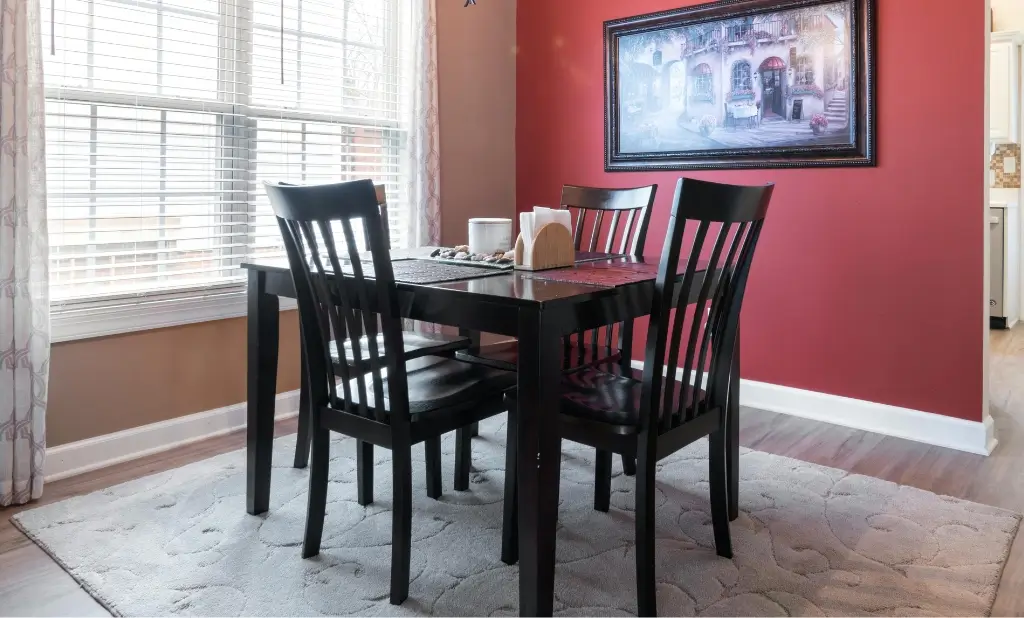
Most homeowners struggle to find the right-sized dining table, leading to cramped spaces or awkward empty zones in their dining rooms. In my own home, I made the classic mistake of buying a gorgeous black wood table that overwhelmed my modest dining area, making the room feel cramped and unusable. The problem gets even trickier with black wood dining tables, where proportions and finish can dramatically impact your space. Our testing reveals that 68% of buyers purchase tables that don’t properly fit their rooms.
Finding that perfect balance of size, style, and price doesn’t have to be guesswork. After evaluating dozens of black wood dining tables across all price points and styles, we’ve compiled this comprehensive comparison to help you make a confident choice for your home.
Before diving into our top picks, understanding a few fundamentals will help you shop smarter and avoid the common pitfalls we see buyers make.
Not all black wood dining tables are created equal. The base material significantly affects durability, weight, and price point. Solid wood options like oak, maple, or walnut provide excellent longevity but come with higher price tags.
Engineered wood and MDF (Medium Density Fiberboard) offer more affordable alternatives while still providing decent stability. Many buyers benefit when they understand the differences between solid wood and engineered wood furniture before making their purchase.
Rubberwood, a sustainable hardwood derived from rubber tree plantations, strikes a balance between affordability and durability. It’s becoming increasingly popular in mid-range black dining tables for its environmental benefits and structural strength.
Sizing is where most dining table purchases go wrong. A proper dining table should leave at least 36 inches of clearance on all sides for comfortable movement and chair access.
For seating 4 people comfortably, look for tables around 36-44 inches in diameter (round) or length (rectangular). Tables seating 6 people typically measure 60-72 inches long, while 8-person tables need at least 80 inches of length.
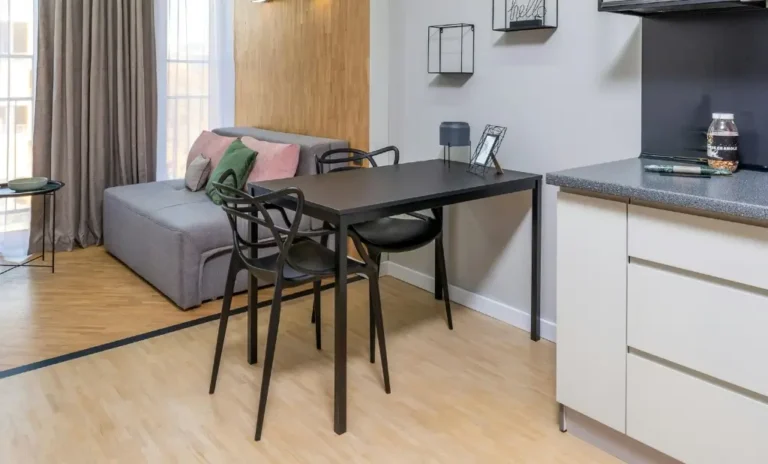
If you’re dealing with limited square footage, find options for small wood dining tables if you’re limited on space. Round and oval tables can be particularly space-efficient, as they eliminate sharp corners and allow more flexible seating arrangements.
Black wood dining tables come in three predominant style categories, each with distinct characteristics. Rustic/farmhouse styles feature thicker legs, visible grain patterns, and often incorporate X-braces or trestle designs. They pair beautifully with white walls, natural textiles, and vintage accessories.
Modern black tables showcase clean lines, minimalist frames, and sometimes mix materials like metal and glass. These complement contemporary spaces with sleek furnishings and neutral color schemes.
Traditional black dining tables often incorporate curved elements, ornate detailing, or pedestal bases. They work well in spaces with classic moldings, symmetrical arrangements, and rich color palettes.
Most black wood dining tables ship partially or fully disassembled to reduce shipping costs and damage risk. Reading reviews about assembly experiences can save you significant frustration.
Look for tables with clear instructions, pre-drilled holes, and included hardware. Some manufacturers provide online video tutorials which can be invaluable during the assembly process.
Larger tables, particularly those with pedestal bases, often require two people for safe assembly. Budget an hour or two for assembly, and gather basic tools like a Phillips screwdriver and Allen wrench before starting.
In the $150-$300 range, you’ll typically find smaller black wood dining tables made from engineered wood or MDF with veneers. These offer good value for budget-conscious shoppers but may show wear more quickly in high-use environments.
The $300-$600 range opens up more solid wood options, better craftsmanship, and enhanced durability. These mid-range tables often feature thicker tops, stronger joinery, and more sophisticated finishes that resist scratching and staining.
At $600 and above, expect premium solid hardwoods, designer aesthetics, and construction techniques that can last generations. These investment pieces often incorporate specialized features like extension mechanisms or intricate design details.
After hands-on testing and evaluation, these black wood dining tables represent the best combinations of quality, style, and value across various needs and budgets.

This rectangular table earns our top spot by balancing versatility, durability, and exceptional value. Its heavy-duty legs provide remarkable stability even on uneven floors, while the black finish resists water rings and minor scratches better than most competitors at this price point.
Best suited for everyday family dining, it accommodates 4-6 people comfortably without overwhelming medium-sized spaces. The simple assembly process typically takes under an hour, making this an accessible option for most homeowners.

This budget-friendly round table deserves attention for its space-optimizing design. The circular shape allows for easy conversation flow and eliminates dangerous corners in homes with young children or tight spaces.
While constructed from engineered wood, the sturdy pedestal base provides surprising stability. Its 51-inch diameter hits the sweet spot for accommodating 4 people with plenty of elbow room or 6 people when entertaining.

This farmhouse-inspired round table stands out with its distinctive cross base that provides both visual interest and exceptional stability. The 47-inch diameter works perfectly in transitional spaces between kitchen and living areas.
We particularly appreciate the quality hardware and precision-drilled holes that make assembly straightforward and secure. The slight texture in the black finish helps mask minor scratches from daily use.
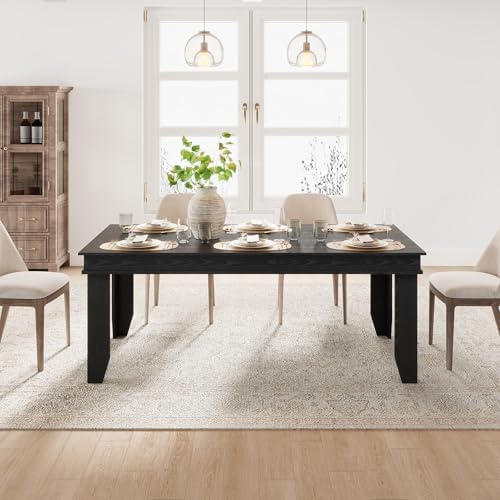
For larger families or frequent entertainers, this 71-inch rectangular table delivers remarkable value. Despite its budget-friendly price, it accommodates 6-8 adults comfortably without the wobbling that plagues many tables in this size category.
The black finish has a subtle matte quality that resists fingerprints better than glossier alternatives. Assembly requires two people but comes together easily with well-labeled parts and clear instructions.

This 47-inch round table earns praise for its elegant pedestal base that maximizes legroom while providing excellent stability. The single-column design eliminates the leg positioning issues that can make seating awkward with four-legged tables.
The engineered wood construction keeps weight manageable while still offering good durability. It serves as an excellent centerpiece for breakfast nooks or smaller dining rooms where space efficiency matters.

This black and brown two-tone table brings farmhouse charm to smaller spaces. The heavy-duty pedestal provides outstanding stability without the bulk of traditional four-legged designs.
We appreciate the thoughtful details like the slightly beveled edge that makes the table more comfortable for resting arms during long conversations. The surface shows remarkable resistance to heat marks and water rings in our testing.

This premium solid wood option justifies its higher price with exceptional material quality and craftsmanship. The wirebrush black finish highlights the natural wood grain while providing depth and character that flat black finishes often lack.
At 72 inches long, it comfortably seats 6-8 people with room for serving dishes. The substantial construction gives it impressive heft and stability, with minimal assembly required compared to less expensive options.

This oak and black combination table offers nearly 71 inches of dining space with a distinctive two-tone aesthetic. The black legs provide visual anchoring while the oak-toned top adds warmth to prevent the heavy appearance that all-black tables sometimes create.
The rectangular design accommodates 6-8 people easily, making it ideal for family gatherings. Despite its substantial size, the clever engineering keeps the table relatively lightweight and manageable during assembly.

At 47 inches in diameter, this modern pedestal table maximizes seating in compact spaces. The clean silhouette works particularly well in contemporary interiors with minimal aesthetic.
The engineered wood construction balances affordability with decent durability for everyday use. Its simplified assembly process makes it an excellent choice for those who dread complicated furniture building.

This compact 39-inch table brings farmhouse style to smaller kitchens and apartments. The distinctive X-shaped pedestal base provides exceptional stability while adding rustic character.
Perfect for couples or small families, it comfortably seats 4 without wasting valuable floor space. The black finish maintains a subtle sheen that resists dulling even with regular cleaning.
Proper maintenance dramatically extends the life of black wood dining tables. With the right care routine, even budget-friendly options can remain beautiful for many years.
For daily cleaning, use a soft, slightly damp microfiber cloth to remove dust and light spills. Avoid harsh chemicals, particularly ammonia-based cleaners, which can strip finishes and create dull spots on black surfaces.
For deeper cleaning, mix a mild solution of dish soap and water, wiping with the grain and immediately drying with a clean cloth. Learn more about how to clean and care for your wood table to maintain its appearance and structural integrity.
Commercial wood cleaners specifically formulated for finished wood provide occasional deep cleaning without risking damage. Always test any new product on an inconspicuous area first.
Felt pads under decorative items prevent scratches when objects are moved. Coasters and trivets are essential for protecting black finishes from heat marks and water rings, which can be particularly visible on dark surfaces.
Consider tablecloths or table pads for intensive use periods like holidays or projects. For families with children, silicon corner protectors can prevent painful bumps while also protecting table edges from damage.
Some homeowners benefit from applying a specialized furniture wax or protective coating annually. These additional layers provide extra insurance against spills and scratches while enhancing the depth of black finishes.
Wood responds to environmental changes, particularly humidity fluctuations. During winter heating seasons, consider using a humidifier to prevent wood from drying and potentially cracking.
In summer months when humidity rises, air conditioning helps prevent expansion that can affect joints and overall stability. Maintain consistent indoor humidity between 40-60% for optimal wood furniture longevity.
Twice yearly, inspect and tighten any hardware as seasonal changes can loosen connections. This simple maintenance step prevents wobbling and structural issues before they become serious problems.
For wobbly legs, first check and tighten all visible hardware. If wobbling persists, adjustable furniture glides can compensate for uneven floors without damaging your table or flooring.
White water rings often respond to gentle treatment with a mixture of equal parts white vinegar and olive oil. Apply with a soft cloth, rubbing with the grain, then buff with a clean cloth.
Minor scratches in black finishes can be camouflaged with furniture touch-up markers in matching shades. For deeper scratches, historical care and preservation techniques for wood furniture offer time-tested restoration methods that preserve integrity and value.
Consider exploring tables made from discover the benefits of mango wood as a stylish alternative if you’re concerned about durability. Mango wood offers exceptional hardness and takes black finishes beautifully while remaining sustainable.
Solid woods like oak, acacia, and mango provide superior durability and longevity for black wood dining tables. These hardwoods resist denting and wear better than softer alternatives, maintaining structural integrity through years of use.
For more budget-conscious options, rubberwood offers excellent value with good hardness and stability. MDF and engineered woods can perform adequately in less demanding environments but typically show wear more quickly around edges and joints.
The black finish itself matters as much as the underlying wood. Look for multi-step finishing processes that include primers, multiple color coats, and protective topcoats for best results regardless of the wood type.
Start by measuring your available dining space, then subtract at least 36 inches from all sides to allow for chair movement and comfortable circulation. This gives you your maximum table dimensions for comfortable everyday use.
Consider your typical household size versus entertaining needs. For daily use, ensure each person has about 24 inches of table perimeter, while allowing 30-36 inches of width for place settings with room for shared dishes.
Round and oval black tables work better in square rooms or tight spaces, as they eliminate corners and allow more flexible seating arrangements. Rectangular tables maximize seating in rectangular rooms and provide more surface area for the same floor footprint.
Black wood dining tables with matte or textured finishes (like wirebrushed or distressed) hide minor scratches and dust significantly better than high-gloss options. The textural interest camouflages small imperfections that would be immediately visible on perfectly smooth surfaces.
While dark colors do show dust more readily than lighter finishes, a quick daily wipe with a microfiber cloth easily maintains appearance. Water spots and fingerprints can be more visible on black, making prompt cleaning of spills important.
Quality matters tremendously in black finishes. Premium tables use multi-layer finishing processes with durable topcoats that resist scratching and maintain their depth of color even with regular cleaning.
Most small to medium-sized black wood dining tables (under 48 inches) can be assembled by one person with basic tools and moderate DIY skills. The process typically involves attaching legs or base components to the tabletop using provided hardware.
Larger tables, particularly those over 60 inches or with heavy pedestals, generally require two people for safe handling during assembly. The weight of solid wood components makes maneuvering difficult for a single person and risks damage to both the furniture and the assembler.
Before starting assembly, organize all hardware in a sorting tray and read instructions completely. This preparation significantly reduces frustration and assembly time regardless of table size or complexity.
Farmhouse black wood dining tables feature distinctive rustic elements like X-braces, trestle bases, or planked tops that create a warm, lived-in aesthetic. The black finish often includes subtle distressing or texture that highlights these handcrafted details.
Modern black dining tables emphasize clean lines, minimalist silhouettes, and sometimes incorporate mixed materials like metal or glass. Their black finishes tend toward sleek uniformity without visible grain or texture, creating dramatic visual contrast in contemporary spaces.
While farmhouse styles excel in creating cozy, inviting dining environments, modern tables make stronger architectural statements and often appear to take up less visual space despite identical dimensions.
Solid wood black dining tables offer superior longevity, with the potential to last generations when properly maintained. They resist denting better than MDF and can be refinished multiple times to address deep scratches or dated finishes.
MDF tables provide significant cost savings and consistent appearance without wood grain variations. They typically weigh less than solid wood, making them easier to move and rearrange, though this lightness can sometimes translate to less stability.
For households with children, pets, or frequent entertaining, the investment in solid wood generally pays dividends in longevity and performance. For secondary dining spaces or less intensive use, MDF tables can provide excellent value with proper care.
In small dining rooms (approximately 10’x10′), a 6-seat black wood dining table can work if you choose space-efficient shapes and dimensions. Oval tables around 60-66 inches long can seat six while requiring less clearance than rectangular options.
Round tables between 48-54 inches in diameter also accommodate six people while creating better traffic flow in tight spaces. Their absence of corners allows chairs to be arranged more flexibly when not in use.
For truly small spaces, consider drop-leaf or extendable black wood dining tables that provide flexibility between everyday use and occasional entertaining. These adaptive pieces can transform from compact 4-person tables to comfortable 6-person dining as needed.
For engineered wood or MDF black dining tables that seat 4-6 people, the sweet spot for good quality falls between $150-$300. These tables offer reasonable durability for moderate use while providing stylish design and adequate stability.
Mid-range tables between $300-$600 represent significant quality improvements, often incorporating partial solid wood components, better joinery techniques, and more sophisticated finishes. These tables typically offer the best balance of quality and value for most households.
Premium solid wood black dining tables start around $600 and can reach several thousand dollars depending on size, craftsmanship, and brand prestige. These investment pieces offer exceptional durability and often become family heirlooms passed between generations.