Address
304 North Cardinal
St. Dorchester Center, MA 02124
Work Hours
Monday to Friday: 7AM - 7PM
Weekend: 10AM - 5PM
Address
304 North Cardinal
St. Dorchester Center, MA 02124
Work Hours
Monday to Friday: 7AM - 7PM
Weekend: 10AM - 5PM


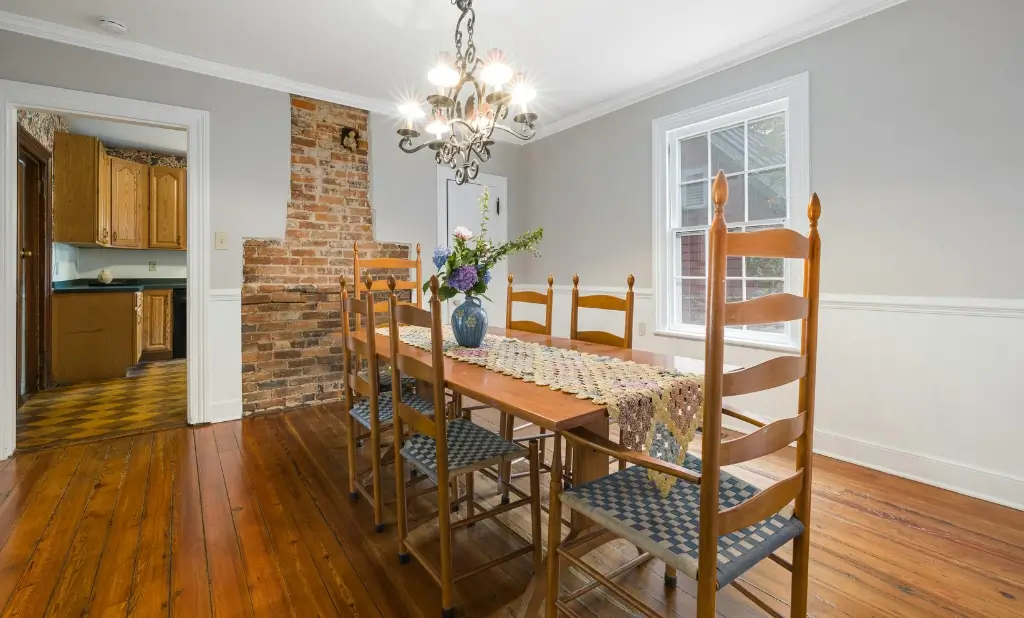
Finding a functional wood dining table for a small space is one of the most frustrating home design challenges. According to interior design experts, most dining furniture is built for homes with dedicated dining rooms leaving apartment dwellers and small-home owners with limited options.
I spent months searching for a table for my studio apartment, measuring every inch of my dining nook only to find most standard options were simply too imposing for the space.
The perfect small-space dining table balances proportions, functionality, and style without overwhelming your room. Through our extensive testing and research, we’ve identified wood dining tables that maximize seating while minimizing footprint.
This guide compares the best wood dining tables for small spaces in 2026, with honest assessments of materials, dimensions, and value. We’ll help you find a table that fits your space constraints without sacrificing quality or style.
Before diving into specific recommendations, let’s cover the essential factors you need to consider when shopping for a compact dining table.
In small spaces, every inch matters. Here’s how to assess your space requirements:
For 2-4 people: Look for tables between 30-40 inches in diameter (round) or 30-48 inches length (rectangular). These dimensions provide enough eating space without overwhelming compact rooms. A 36-inch round table or a 40×30-inch rectangular table works well for most small apartments.
For 4-6 people: Consider tables between 42-54 inches in length, ideally with space-saving features like pedestal bases that eliminate obstructive table legs. Remember to allow 24 inches of width per person for comfortable dining.
Traffic flow: Always leave at least 30-36 inches between your table edge and walls or other furniture for chair movement and comfortable circulation. Study how leading interior designers arrange furniture in small spaces for inspiration on optimizing layout.
The style of your dining table should complement your existing décor while maximizing the sense of space. Here are popular options for small spaces:
Most affordable wood dining tables require home assembly, which presents both challenges and benefits for small-space dwellers:
The sweet spot for most small spaces is between $150-$400, where you’ll find the best balance of quality, style, and functionality without overspending on a piece that needs to fit specific dimensional constraints.
After testing dozens of compact dining tables, these are our top recommendations based on quality, value, and space-efficiency.

This 47-inch round table stands out for its elegant pedestal base that maximizes legroom—crucial in tight spaces where every inch matters. The brown finish works with most décor styles, and the circular shape eliminates sharp corners that can disrupt traffic flow in small rooms.
Best for: Small dining areas needing to accommodate 4-6 people occasionally. The pedestal design allows for flexible seating arrangements and easier chair tucking when not in use.

This budget-friendly vintage-style circular table creates an airy, open look that visually expands small spaces. At 47 inches, it comfortably seats four while maintaining a light aesthetic that won’t overwhelm compact dining areas.
Best for: Apartments and small homes with vintage or eclectic décor where visual lightness is a priority. The reasonable price point makes it perfect for first apartments or temporary living situations.
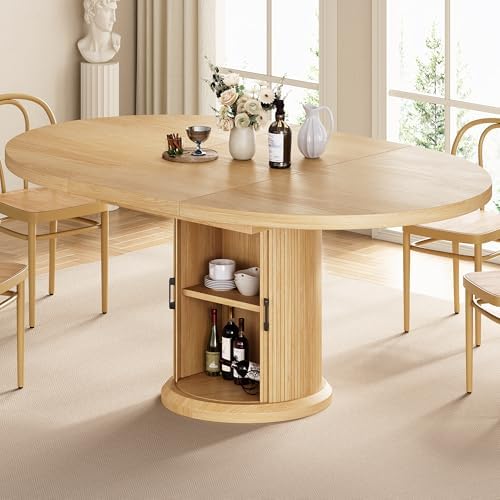
This clever design solves the small-space entertainer’s dilemma with its extendable top that expands from 47″ to 63″ when needed. The built-in storage shelf underneath adds functionality something rarely found in compact dining tables.
Best for: Homes where occasional entertaining requires flexible seating capacity. This table demonstrates the advantages of extendable solid wood dining tables without demanding permanent floor space.

This farmhouse-inspired rectangular table seats 4-6 people comfortably while maintaining proportions suitable for moderately sized small spaces. The two-tone oak brown and white finish brightens rooms and adds contemporary appeal.
Best for: Small but not tiny dining areas where a rectangular shape fits the room layout better than round options. The sturdy construction handles daily use well.
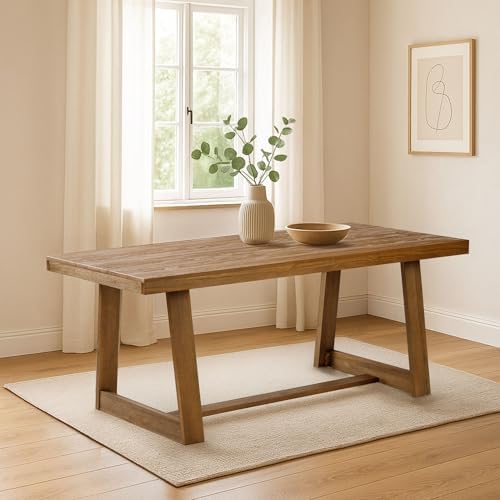
Though larger than typical small-space recommendations, this solid wood table represents a worthy investment for open-plan apartments or lofts where the dining area serves multiple purposes. The pecan wirebrush finish offers beautiful texture and warmth.
Best for: Open-concept small spaces where the dining table serves as a visual anchor and multi-purpose workspace. The solid wood construction ensures decades of use with proper care.

This ultra-compact square table represents the perfect solution for truly tight spaces like studio apartments or breakfast nooks. At just 31.5 inches square, it provides essential dining space for 2-4 people without dominating the room.
Best for: Studio apartments, galley kitchens with small dining nooks, or spaces where a dining table is occasionally needed but not a permanent fixture. The walnut finish adds warmth to small spaces.

This rectangular table combines modern styling with substantial construction suitable for daily family use. The light brown finish brightens small spaces, while the sturdy legs provide excellent stability for active households.
Best for: Small families needing durable dining space in compact homes. The rectangular shape maximizes usable surface area while fitting against walls if needed.

This farmhouse-inspired pedestal table brilliantly combines traditional style with space-saving functionality. The white and brown color combination brightens small dining rooms while providing seating for 4 without chair interference.
Best for: Small dining spaces seeking a country-inspired aesthetic with modern space efficiency. The heavy-duty pedestal ensures stability during daily use.

This distinctive black round table with cross base makes a bold statement while accommodating 4-6 diners. The cross base design provides excellent stability while creating visual interest in small dining areas.
Best for: Modern farmhouse interiors where the dining table serves as both functional furniture and design statement. The black finish adds drama to neutral spaces.

This eco-friendly solid wood option proves that small-space dining tables can be both environmentally responsible and budget-conscious. The 47-inch length works well in apartment dining areas, while the natural wood finish suits most décor styles.
Best for: Environmentally-conscious consumers seeking solid wood construction at an accessible price point. The simple design adapts to various interior styles.
For a unique alternative to traditional hardwoods, you might also explore unique benefits of mango wood dining tables, which offer distinctive grain patterns in space-efficient designs.
A quality wood dining table can last decades with proper care, especially important in small spaces where furniture receives concentrated use and exposure.
Different wood finishes require specific cleaning approaches to maintain their appearance. Generally, you should:
For detailed instructions on the best way to clean a wood table without harming the finish, follow proper techniques based on your specific table’s finish.
Small-space dining tables often serve multiple purposes, increasing wear and damage risk. Protect your investment with these practices:
Wood responds to environmental changes, requiring seasonal attention:
Even with careful maintenance, problems may arise. Here’s how to address them:
Round and square wood dining tables excel in small spaces because they eliminate sharp corners that impede traffic flow and provide efficient seating arrangements. Round tables are particularly effective as they allow easier movement around them and often accommodate an extra person when needed. For extremely tight spaces, drop-leaf options provide the ultimate flexibility.
For small spaces, look for tables between 30″ and 48″ in diameter or length. This size comfortably seats 2-4 people without overwhelming the room. Always allow 30-36 inches of clearance between table edges and walls or other furniture for comfortable movement and chair access. Measure your available space carefully before purchasing, considering both the table dimensions and the seating clearance required.
Solid wood dining tables represent a worthwhile investment for small apartments, particularly if you plan to stay long-term. Their durability means they’ll withstand daily use without needing replacement, and their timeless appeal ensures they’ll remain stylish despite changing trends. For renters who move frequently, lighter engineered wood options might be more practical due to weight considerations during moves.
Light wood finishes like natural oak, maple, or whitewashed woods visually expand small spaces by reflecting more light. Tables with slender legs and minimal undercarriage structure like pedestal or trestle base designs create an airier appearance that helps rooms feel larger. Glass-top tables with wood bases offer another option that minimizes visual weight while maintaining wood’s warmth.
Extendable and drop-leaf wood dining tables are excellent investments for small kitchens. These adaptive designs provide everyday space efficiency while offering expanded surface area when entertaining. Drop-leaf styles are particularly valuable in very tight spaces, as they can function as console tables when not in dining use. The flexibility they provide makes the higher price point worthwhile for many small-space dwellers.
For simpler assembly, look for tables with clearly stated “easy assembly” features, fewer parts, and tool-free mechanisms. Read customer reviews specifically mentioning assembly experiences, as they often provide insight into potential challenges. Tables with pedestal bases typically have fewer components than four-legged models, while solid wood options sometimes require more careful alignment than engineered wood pieces.
In high-traffic small spaces, consistent protection is key. Use table pads under tablecloths for gatherings, daily placemats for regular meals, and coasters for all beverages. Consider applying a fresh coat of protective finish annually, and immediately address any damage to prevent worsening. For tables serving multiple purposes, designated storage for non-dining items helps prevent accidental scratches from keys, bags, or other everyday objects.
Quality wood dining tables for small spaces typically range from $100-$400. Within this range, tables under $200 usually feature engineered wood with veneer finishes, while those between $200-$400 often incorporate some solid wood components or premium engineered materials. The most significant price factors include construction materials, extension mechanisms, and brand reputation. Investing slightly more initially often results in longer lifespan and better appearance over time.