Address
304 North Cardinal
St. Dorchester Center, MA 02124
Work Hours
Monday to Friday: 7AM - 7PM
Weekend: 10AM - 5PM
Address
304 North Cardinal
St. Dorchester Center, MA 02124
Work Hours
Monday to Friday: 7AM - 7PM
Weekend: 10AM - 5PM


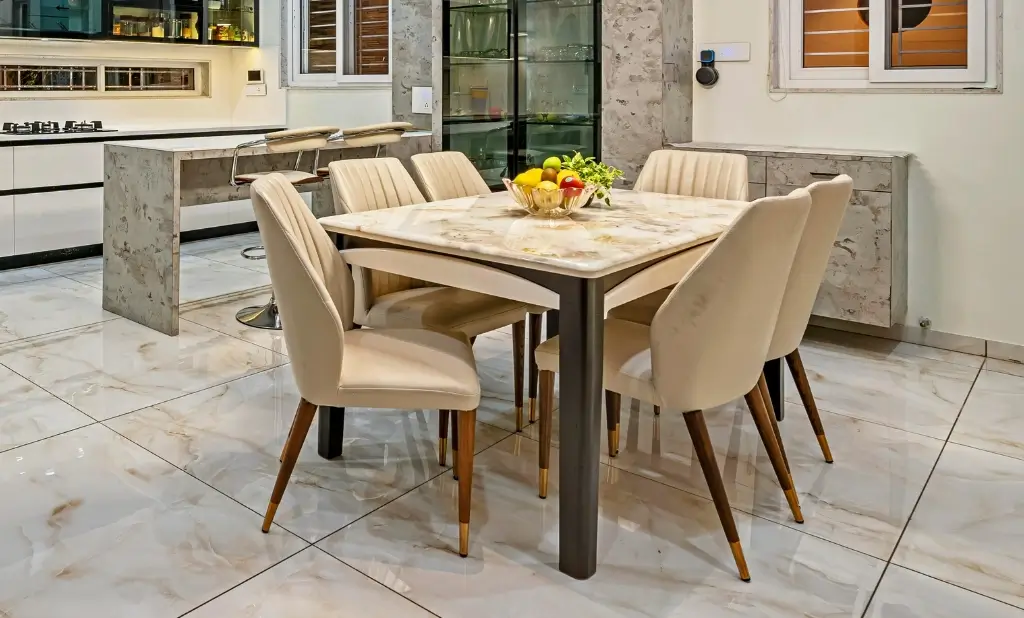
Marble dining tables command attention in any space, but many buyers hesitate due to concerns about stains, scratches, and long-term durability. These concerns are valid marble requires specific care to maintain its beauty. Yet thousands of homeowners continue to choose marble tables year after year, suggesting the benefits outweigh the maintenance requirements.
The benefits of owning a marble dining table extend far beyond mere aesthetics, though the stunning visual appeal is undeniable. I still remember how my dinner parties transformed overnight when I replaced our old wooden table with a marble one guests can’t help but run their hands across its cool surface in admiration. From exceptional durability to timeless style that increases in character over time, marble offers distinct advantages over other materials that make it worth considering for your dining space.
This guide will help you determine if a marble dining table is right for your home by exploring its genuine benefits alongside practical considerations for selection, maintenance, and care.

Marble has adorned palaces and monuments for centuries there’s a reason it’s the material of choice for structures meant to last generations. When properly sealed and maintained, a quality marble dining table can serve your family for decades, potentially becoming an heirloom piece passed down through generations.
Unlike wood that can warp with humidity changes or veneer that can peel over time, marble maintains its structural integrity remarkably well. This natural stone resists the everyday wear that would damage lesser materials, maintaining its beauty even after years of daily use.
Few materials rival marble’s timeless elegance. Interior designers consistently return to marble precisely because it’s why marble is considered a timeless classic for interiors and furniture. The material’s subtle glow and depth create a sophisticated focal point that elevates dining rooms of any style.
Unlike trendy materials that quickly date a space, marble remains perpetually in style. Its classic appeal means you won’t need to replace your table when interior design trends shift, making it both a style statement and a practical investment.
Marble naturally stays cool to the touch, making it exceptionally resistant to heat damage. Hot serving dishes, warm plates, and even brief contact with heated cookware rarely damage properly sealed marble surfaces.
This heat resistance eliminates the constant worry about ring marks or heat damage that comes with wooden tables. For families who enjoy serving meals directly from cooking vessels to table, this practical benefit saves considerable stress during entertaining.
No two marble tables are identical. The distinctive veining patterns, subtle color variations, and natural characteristics ensure your dining table is truly one-of-a-kind. This uniqueness adds significant value for those seeking distinctive pieces rather than mass-produced furniture.
The natural variations in marble create visual interest that manufactured materials simply cannot replicate. Many marble owners report that these unique characteristics become more appreciated over time, with the table developing character much like fine wine improves with age.
Quality marble furniture typically maintains its value remarkably well compared to other dining table materials. While the initial investment may be higher than some alternatives, marble’s durability and timeless appeal mean it depreciates much more slowly than trendy or lower-quality pieces.
For budget-conscious homeowners, this value retention transforms a marble table from a simple purchase into a genuine investment. When properly cared for, many marble tables can be resold years later for a significant portion of their purchase price should your needs or tastes change.
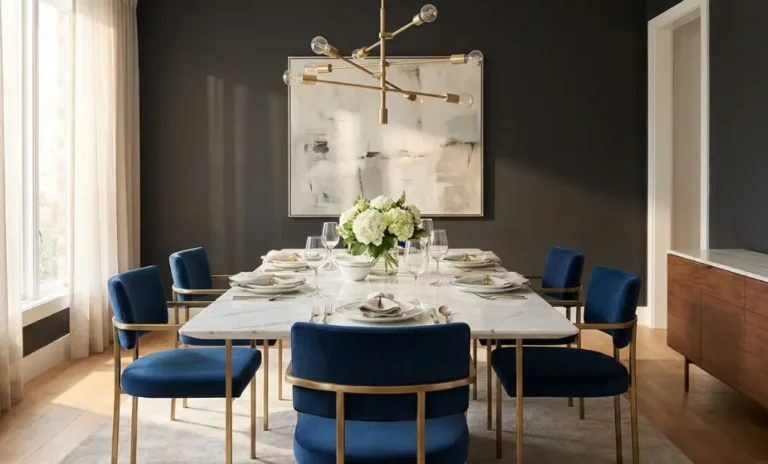
Marble dining tables complement virtually any interior design style. From minimalist contemporary spaces to ornate traditional dining rooms, marble adapts seamlessly to its surroundings while making a distinctive statement. This adaptability means your table will continue working with your décor even as your style evolves.
The variety of marble colors available from classic whites and creams to dramatic blacks and greens provides options for any color scheme. This versatility extends to table bases as well, where marble pairs beautifully with wood, metal, or even glass components for truly customized looks.
Few furniture pieces command attention like marble dining tables. Their natural beauty and substantial presence create an immediate focal point that sparks conversation among guests. This statement quality elevates not just your dining space but your entire entertaining experience.
Beyond mere functionality, a marble table transforms ordinary meals into more memorable occasions. The subtle luxury it imparts to everyday dining creates a more intentional, elevated experience even for simple family meals.
Understanding the benefits of owning a marble dining table is just the beginning. To maximize those benefits, selecting the right table for your specific needs is crucial. This comprehensive buying guide will help you navigate the key considerations.
Marble quality varies significantly, with direct implications for durability, stain resistance, and price. High-grade marble features tighter crystalline structures that resist liquid penetration better than standard grades, resulting in fewer staining issues over time.
Standard-grade marble, while more affordable, typically requires more diligent maintenance to prevent staining and etching. The quality difference becomes particularly apparent in high-use areas like dining tables, where food and drink spills are inevitable.
When examining potential tables, ask specifically about the marble grade and country of origin. Italian Carrara and Calacatta marbles are renowned for their quality, though excellent marble also comes from Greece, Spain, and Turkey.
Marble dining tables come in various shapes and sizes, each with specific benefits for different spaces and uses. Round tables create intimate dining settings ideal for conversation but accommodate fewer people per square foot of table surface. Rectangular tables maximize seating capacity and work well in longer dining rooms.
Beyond basic dimensions, consider the clearance space needed around your table. We recommend maintaining at least 36 inches between your table edge and walls or other furniture to allow comfortable movement around seated guests.
The table below outlines recommended table dimensions based on seating capacity:
| Seating Capacity | Round Table Diameter | Rectangular Table Dimensions |
|---|---|---|
| 4 People | 42-48 inches | 36″ x 48″ to 36″ x 60″ |
| 6 People | 54-60 inches | 36″ x 72″ to 40″ x 72″ |
| 8 People | 60+ inches | 36″ x 96″ to 44″ x 96″ |
Marble tables offer several finish options, each with distinct advantages. Polished finishes create a glossy, reflective surface that maximizes marble’s natural luminosity and highlights its veining patterns. However, these finishes show scratches and etching more readily than alternatives.
Honed finishes provide a matte, satin-smooth surface that hides minor imperfections better than polished marble. This practical finish works exceptionally well for families or frequent entertainers. Leathered finishes, with their subtle texture, offer the most forgiving surface for daily use while maintaining the stone’s natural beauty.
Edge profiles range from simple straight edges to elaborate bevels and ogee curves. Simple profiles create a more contemporary look, while complex edges complement traditional décor styles. The how Italian designers transform marble into contemporary dining tables often involves innovative edge treatments that balance tradition with modern sensibilities.
Marble’s substantial weight approximately 18-20 pounds per square foot for a typical 3/4″ thick top creates both benefits and challenges. This weight contributes to marble’s impressive stability but requires special consideration for delivery, installation, and floor support.
Most marble dining tables arrive with the base and top separated to facilitate delivery. Professional assembly is highly recommended, as improper handling can damage both the stone and your property. Ensure your floor can support the concentrated weight, particularly for larger tables that may exceed 300-400 pounds.
For homes with upper-floor dining rooms, consult with a structural engineer before purchasing particularly large or thick marble tables. The peace of mind is worth the additional step.
Marble dining table prices vary dramatically based on size, marble quality, design complexity, and brand positioning. Understanding what different price points offer helps set realistic expectations and maximize value.
Entry-level marble dining tables ($800-1,500) typically feature smaller dimensions, standard-grade marble, and simpler designs. These tables offer the basic benefits of marble but may require more maintenance and have less distinctive veining patterns.
Mid-range options ($1,500-3,500) balance quality and value with better marble grades, more substantial construction, and greater attention to detail. Most homeowners find this range provides the best combination of quality and longevity without unnecessary luxury premiums.
Premium marble tables ($3,500+) showcase exceptional marble quality, distinctive veining, custom design elements, and flawless craftsmanship. While the investment is substantial, these tables truly become heirloom pieces that retain significant value over decades.

The benefits of owning a marble dining table are best realized through proper care. With the right maintenance routine, your marble table can maintain its beauty for generations while developing the subtle patina that marble enthusiasts prize.
For routine cleaning, use a soft cloth dampened with warm water and a small amount of pH-neutral stone soap. Harsh chemicals, acidic cleaners (including vinegar), and abrasive cleaning tools can damage the sealer and etch the stone.
Address spills immediately, especially acidic substances like citrus juices, tomato sauce, and wine that can etch marble even through sealer. Blot rather than wipe spills to prevent spreading the liquid across a larger surface area.
For more thorough cleaning guidance, follow our practical tips for maintaining your marble dining table that provide step-by-step instructions for different cleaning scenarios.
Prevention is the cornerstone of marble care. Use coasters, placemats, and trivets consistently to minimize direct contact between marble and potential staining agents. Table pads provide excellent protection during larger gatherings when supervision of every guest becomes impractical.
Consider tabletop items with felt or cork bottoms rather than rough materials that might scratch the surface. For families with children, silicone placemats offer excellent protection while being easy to clean.
Regular sealing typically every 6-12 months depending on use creates a protective barrier against stains without changing the table’s appearance. Professional-grade sealers like COPALCLEAR offer superior protection compared to standard retail options, though they may require professional application.
Marble responds to environmental changes, requiring seasonal adjustments to your care routine. During winter months when indoor heating reduces humidity, marble can become slightly more brittle and susceptible to chipping. Using a humidifier helps maintain optimal conditions.
Summer brings increased humidity in many regions, which can affect sealer performance. Inspect your table’s water-beading capacity more frequently during humid months and re-seal if water no longer forms distinct beads on the surface.
Sunlight exposure through windows can gradually affect some marble colors, particularly greens and reds. Rotate centerpieces or decorative items periodically to ensure even exposure, or consider UV-filtering window treatments for rooms with intense direct sunlight.
Minor etching the dull spots that appear after acid contact can often be remedied with marble polishing compounds designed for homeowner use. For deeper etching or stubborn stains, professional refinishing may be necessary but typically costs less than you might expect.
Light scratches respond well to polishing compounds, while deeper scratches may require professional attention. Water rings usually indicate that your sealer is beginning to fail and typically disappear after reapplication of a quality sealer.
For significant damage, consult marble restoration professionals rather than attempting major repairs yourself. The investment in professional restoration typically costs far less than replacement and can return your table to near-original condition.
The main disadvantages include susceptibility to stains, scratches, and etching if not properly sealed and maintained. Marble also comes with a higher price tag and considerably more weight compared to dining tables made from other materials.
The porous nature of marble means that spills must be addressed promptly to prevent staining. This maintenance requirement may prove challenging for busy households or those who prefer more carefree entertaining.
Families with young children can still enjoy the benefits of owning a marble dining table, but they should be prepared for more vigilant maintenance. Choosing a honed or leathered finish rather than polished marble helps hide minor scratches and etching that might occur with children present.
Establishing simple rules like using placemats and cleaning spills promptly can protect your investment while teaching children to respect quality furnishings. Many families find that marble’s durability actually makes it a practical choice that withstands decades of family meals better than more delicate alternatives like veneer-topped tables.
Regular maintenance includes cleaning with mild soap and water, promptly addressing spills, and applying a quality sealer every 6-12 months. Daily use of placemats, coasters, and trivets prevents most common damage and extends the intervals between more intensive maintenance.
Avoid placing hot cookware directly on the surface despite marble’s heat resistance, as extreme temperature changes can potentially damage the sealer. For marble dining tables used daily, quarterly polishing with a marble-specific compound helps maintain the surface’s appearance between professional treatments.
Marble offers superior heat and moisture resistance compared to wood, with less susceptibility to warping, cracking, or sun damage. However, marble requires more protection against acidic substances and can chip if struck with hard objects, unlike wood which tends to dent rather than break.
Wood tables typically show scratches less prominently than polished marble but remain vulnerable to water rings and heat damage that marble easily withstands. For a comprehensive comparison with another popular alternative, read about how marble compares to ceramic dining tables for additional perspective on different material benefits.
For daily use, a honed or leathered finish typically proves most practical. These finishes hide minor scratches and etching better than polished surfaces while maintaining marble’s elegant appearance.
Polished finishes maximize marble’s luminous quality and dramatic veining but require more maintenance to maintain their mirror-like appearance. Many homeowners select honed finishes for the table surface while keeping polished edges for a balanced compromise between practicality and visual impact.
While the unique color and veining patterns are significant aesthetic benefits of owning a marble dining table, these characteristics have minimal impact on durability. The marble’s density and crystalline structure not its color determine its resistance to staining and damage.
That said, lighter marbles tend to show stains more readily than darker varieties, while heavily veined marble sometimes contains natural fissures that require more careful handling. For the most durable options, select marbles with tight crystalline structures, regardless of their color or veining intensity.
Pedestal bases distribute weight effectively while providing flexible seating arrangements without leg interference. For larger rectangular tables, double pedestals or substantial trestle designs offer the necessary support for marble’s significant weight.
Metal bases provide excellent stability in smaller footprints than wooden alternatives, making them ideal for space-conscious dining areas. Regardless of material, ensure the base includes proper cross-supports and attachment mechanisms specifically designed for heavy stone tops.
Several professional-grade sealers provide exceptional protection without altering marble’s appearance. Products like COPALCLEAR offer advanced formulations that resist both water and oil-based stains more effectively than standard consumer sealers.
For households seeking maximum protection, some fabricators offer factory-applied permanent treatments that dramatically reduce marble’s porosity. These treatments typically add 15-20% to the table’s cost but significantly reduce long-term maintenance requirements.
The benefits of owning a marble dining table are substantial for those willing to provide appropriate care. From unmatched durability and timeless style to heat resistance and unique character, marble offers advantages that few other materials can match.
Your lifestyle should ultimately determine whether marble suits your needs. For design enthusiasts seeking statement pieces with lasting value, marble represents an excellent investment. Families willing to implement basic protective habits gain a table that can serve generations.
Those seeking similarly distinctive options with different maintenance profiles might also explore the appeal of mango wood dining tables as an alternative natural material with its own unique benefits.
Through our extensive testing and design consultations, we’ve found that most homeowners who choose marble dining tables remain satisfied with their decision years later. The initial adjustment to proper care routines quickly becomes second nature, while the daily enjoyment of marble’s beauty and functionality continues to deliver value meal after meal.