Address
304 North Cardinal
St. Dorchester Center, MA 02124
Work Hours
Monday to Friday: 7AM - 7PM
Weekend: 10AM - 5PM
Address
304 North Cardinal
St. Dorchester Center, MA 02124
Work Hours
Monday to Friday: 7AM - 7PM
Weekend: 10AM - 5PM


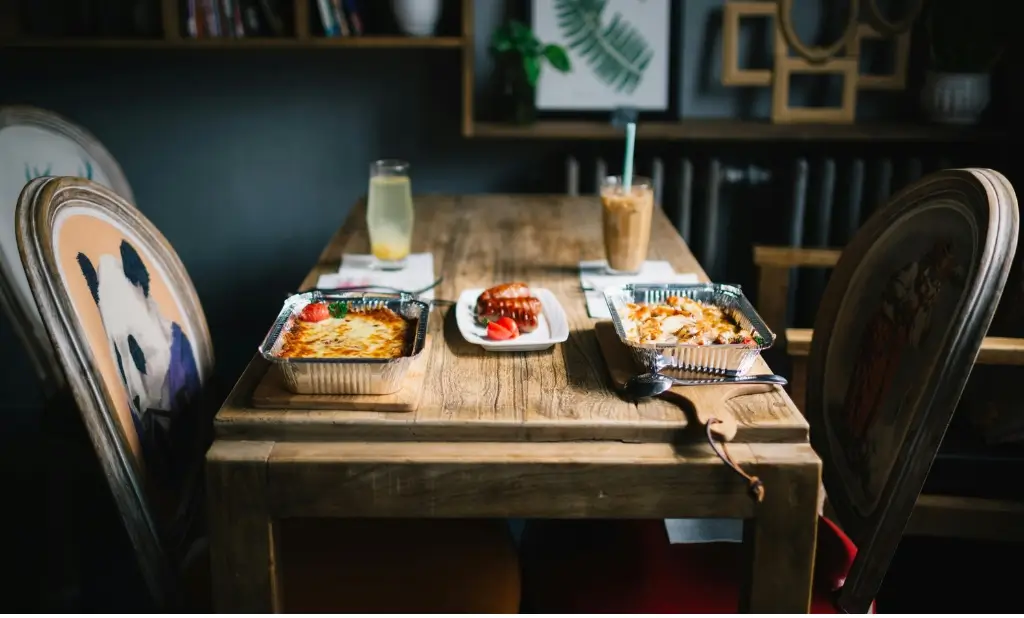
Most hardwood dining tables require you to choose between character and conscience. Mango wood is the rare exception that delivers both striking grain patterns, genuine durability, and an environmental story that actually holds up to scrutiny. Here’s everything you need to make a confident decision.
Mango wood comes from Mangifera indica the same tree that produces the fruit. Native to South Asia and cultivated across tropical regions worldwide, these trees are grown primarily for agriculture. The furniture angle comes into play at the end of the tree’s productive life.

After 15–20 years, mango trees naturally decline in fruit yield. Rather than burning or discarding them which releases stored carbon the timber is harvested and converted into furniture. That makes mango wood a genuine by-product of food production, not a dedicated forestry operation.
This is a fundamentally different model from traditional hardwoods. Oak takes 80–150 years to reach maturity. Mahogany needs 25–35 years. Mango’s rapid cycle, combined with its agricultural origins, gives it sustainability credentials that most competing materials simply can’t match.
Mango is classified as a medium-density hardwood substantial enough for serious furniture, manageable enough that pieces aren’t immovable. What makes it visually distinctive is its grain: it can run straight, curly, or interlocked, and the colour palette spans pale blonde to rich amber, often shot through with streaks of pink, olive, or grey. No two tables look identical. That’s not a marketing line it’s just the nature of the wood.
Through our extensive testing of wood furniture performance, mango consistently punches above its price point. Its natural density resists everyday scratches and dents better than softer alternatives like pine or rubberwood. It won’t shrug off everything no wood does but in busy family households, it holds up well.
For environmentally conscious homeowners, this is where mango wood really distinguishes itself. You’re not just buying furniture with a green label you’re buying timber that would otherwise have been waste. The FSC (Forest Stewardship Council) certification is worth looking for, as it confirms responsible sourcing standards throughout the supply chain.
Our design team has found that mango wood integrates more seamlessly across different interior styles than almost any other mid-range hardwood. The natural warmth and grain variation give it the character that contemporary spaces often lack, while its workability means manufacturers can achieve the cleaner lines that modern interiors require.
A well-built mango wood table doesn’t just last it ages well. The wood develops a richer patina over time, and because it’s solid timber, it can be sanded and refinished multiple times. That repairability is a significant advantage over veneered or engineered alternatives, which often can’t be meaningfully restored once the surface is damaged.
It’s worth separating the genuine sustainability argument from greenwashing.
Mango wood’s credentials rest on one core fact: the trees are grown for fruit first. When they’re harvested for timber, the wood industry is capturing value from agricultural infrastructure that already exists. New trees are planted to replace them not for timber, but to continue fruit production. The cycle is inherently self-renewing.
Compare that to hardwoods like teak or mahogany, where demand for the wood itself drives the harvesting. That’s a fundamentally different environmental calculus.
For maximum confidence, look for mango wood furniture bearing FSC certification. This ensures that, beyond the agricultural harvesting model, the overall supply chain meets responsible forestry standards. Many premium mango wood dining tables now carry this certification.
The material’s adaptability is one of its most underrated qualities.
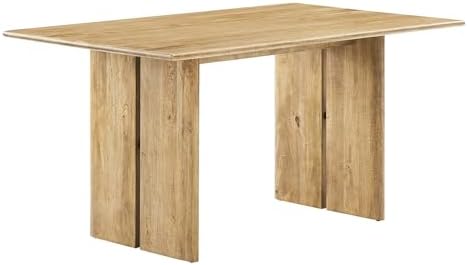
In contemporary spaces, mango wood’s natural grain provides the organic warmth that cold, minimal interiors often need. Look for designs with tapered legs, clean aprons, and light or natural finishes that let the wood’s character speak without visual noise.
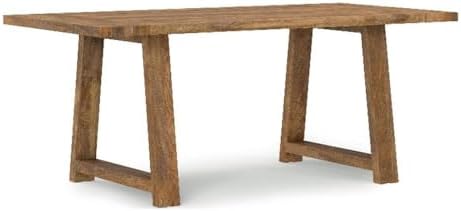
This is arguably where mango wood is most at home. The visible grain, natural colour variation, and structural weight all lean into the farmhouse aesthetic naturally. Chunky trestle bases, hand-distressed surfaces, and amber finishes amplify the wood’s organic appeal.
Mango accepts turned legs, carved apron details, and richer stain tones beautifully. In more traditional settings, a deeper walnut or mahogany-toned finish creates pieces that feel considered and timeless rather than on-trend.
The pairing of mango wood tops with iron or steel bases is well-established for good reason. The contrast between the warmth of the timber and the rawness of metal creates genuinely interesting furniture. These are not compromise designs they tend to be among the most visually compelling pieces in any collection.
Lighter finishes, whitewashed or limed treatments, and subtle distressing give mango wood a relaxed, beachy quality. The natural colour variations in the grain evoke driftwood without resorting to artificial effects.
For a more elevated look, mango wood pairs well with marble or stone inserts. These combination pieces take more design risk, but when they work, they become the focal point of a dining room rather than just the furniture.
For design inspiration beyond mango wood specifically, curated inspiration from the world’s best designer dining tables can help you see how different material approaches play out in real interiors.
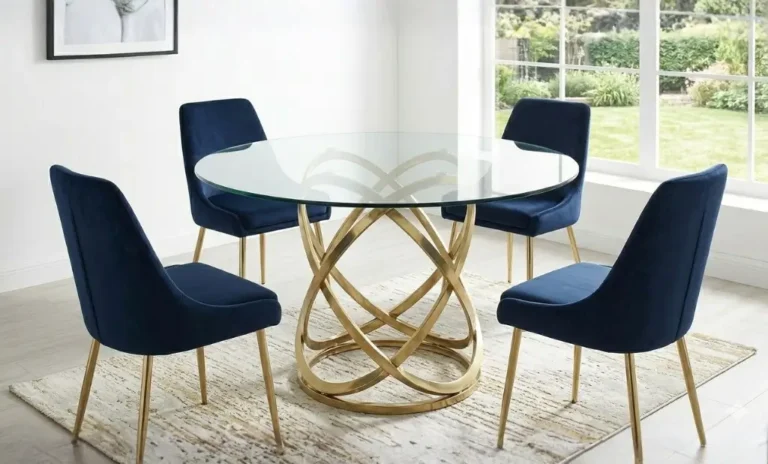
Round mango wood tables suit smaller spaces and square rooms well. Without corners, they allow flexible seating and easy circulation. They also tend to showcase mango’s radiating grain patterns particularly well a visual effect worth seeing in person before you decide.
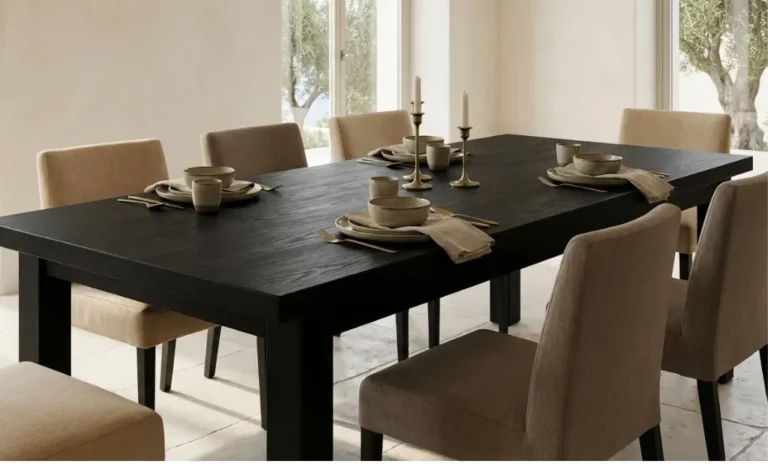
The default choice for good reason. Rectangular tables suit most room layouts, accommodate the most people efficiently, and work with standard dining chair arrangements. For larger households or frequent entertainers, look for models with extension capabilities.
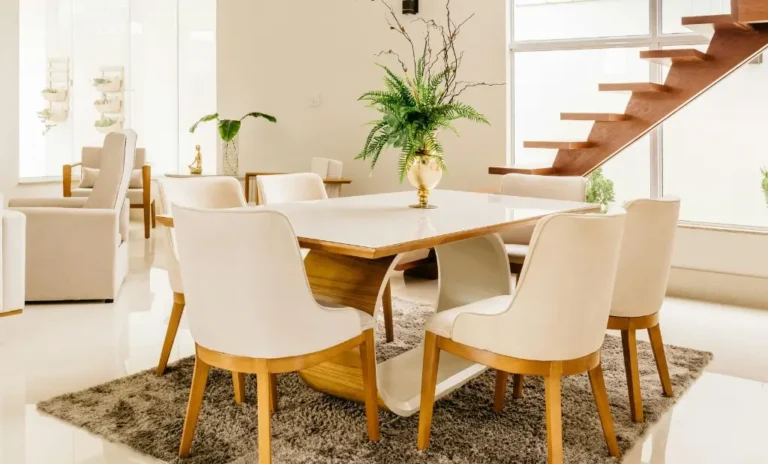
The oval format combines generous seating capacity with the friendlier profile of a round table no sharp corners, better traffic flow. Mango wood’s flowing grain suits the curved silhouette especially well.
Best suited to square rooms or intimate four-person settings. Some square designs can accommodate eight with corner seating, but this tends to feel crowded. They work best as a statement piece for a smaller household.
| Seating Capacity | Typical Dimensions | Best For |
|---|---|---|
| 4 seats | 36–48 inches | Couples, small families, compact dining areas |
| 6 seats | 60–72 inches | Everyday family dining with occasional guests |
| 8+ seats | 72 inches and above | Large families, frequent entertainers |
Always allow a minimum of 36 inches of clearance on all sides of the table this is the threshold for comfortable chair movement without awkward maneuvering.
Butterfly leaf systems are worth serious consideration if your dining needs vary significantly. Many mango wood tables include self-storing leaves that convert a four-person everyday table into an eight or ten-person entertaining space. This flexibility is particularly valuable in homes where space is at a premium outside of peak occasions.
The finish on your mango wood table affects both how it looks and how long it looks good. Understanding your options prevents expensive mistakes.
Oil finishes penetrate the wood rather than sitting on top of it, protecting from within while preserving the natural look and feel. They require periodic reapplication but are easy to refresh. Wax finishes create a softer, more tactile surface with moderate protection. Lacquer and polyurethane coatings offer the most robust surface protection with variable sheen levels practical for heavy-use households, though they create a more “sealed” visual quality.
Mango wood takes stain particularly well. Common options include natural/clear (preserves authentic colouring), honey/amber (enhances warm tones), walnut or mahogany (creates depth reminiscent of premium hardwoods), whitewashed or limed (casual and coastal), and ebonised (dramatic dark finishes that throw the grain texture into relief).
Hand-distressed mango wood tables burnished edges, subtle surface marking, hand-scraped textures give new pieces a lived-in quality that some homeowners find more honest than pristine factory finishes. These effects are subjective, but in the right interior, they’re genuinely effective.
Through our evaluations of different finish types in real dining environments, slightly matte or satin finishes consistently outperform high-gloss options in practical terms. They hide the inevitable small scratches and marks of daily use far better. High-gloss looks impressive in a showroom; it shows every fingerprint at home.
Premium tables should feature solid wood throughout all visible and structural components. Look for tabletops at least 1 inch thick thinner tops are more prone to warping. Check the legs and apron; they should be solid timber, not veneered over engineered cores.
The small things reveal construction quality. Hand-planed surfaces catch light differently than machine-sanded ones. Joints should be tight, with minimal gaps. Extension mechanisms where fitted should operate smoothly with no lateral play.
Quality veneered panels over engineered cores aren’t automatically inferior to solid wood. In very large table surfaces, engineered cores can actually offer better dimensional stability in humid or variable climates. The key is veneer thickness (at least 1/16 inch), solid wood edging to protect vulnerable veneer edges, and properly matched grain patterns. Understand what you’re buying and price it accordingly.
For extension tables, hardware quality is an accurate proxy for overall build quality. Metal components, not plastic. Smooth operation with no binding. Self-storing leaves are a significant convenience advantage worth paying for.
| Material | Hardness | Sustainability | Price vs. Mango | Key Difference |
|---|---|---|---|---|
| Oak | Very high | Moderate | +20–30% | More uniform grain, slower growth cycle |
| Walnut | High | Moderate | Significantly higher | Richer, darker tones; premium market positioning |
| Maple | High | Moderate | Similar | Tighter, more uniform grain; often needs staining for warmth |
| Teak | Very high | Poor (limited supply) | Much higher | Excellent moisture resistance; unsustainable at scale |
| Pine | Low | Good | Lower | Dents and scratches easily; not suited for daily-use dining tables |
| MDF/Veneer | N/A | Poor | Lower | No repairability; shorter lifespan; can’t be refinished |
The honest summary: mango wood occupies a genuinely strong position in the mid-range. It’s not as hard as oak, not as premium as walnut, but it’s sustainably sourced, visually distinctive, and realistically priced for what it delivers.
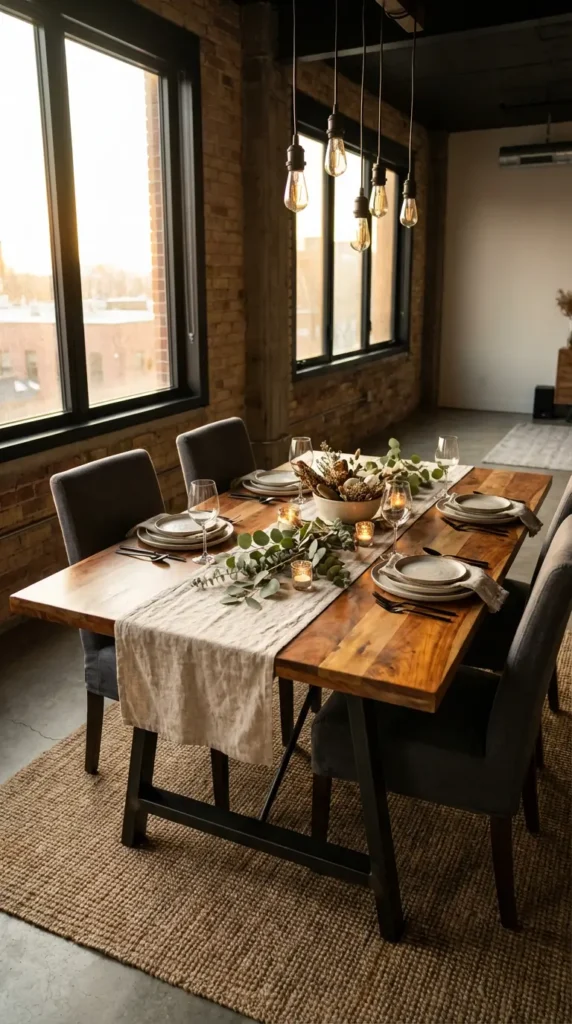
Matching mango wood chairs create a cohesive suite look coordinated without being rigid. Upholstered seating in linen, velvet, or performance fabric adds comfort and introduces colour. Mixed-material chairs (metal and wood, or rattan and timber) work particularly well with mango’s natural warmth. A bench on one side maximises seating capacity while adding a relaxed, informal quality.
A coordinating mango wood sideboard creates material continuity and provides essential serving and storage space. For homes where the dining room doubles as a display space, a hutch or display cabinet extends the material story. You can explore our favourite wood dining table sets for every home for curated combinations that take the guesswork out of the process.
Position pendant lighting 30–36 inches above the table surface this provides focused task lighting while defining the dining zone visually. Dimmers are worth the investment. The ability to transition from practical family-meal lighting to a lower, warmer atmosphere for entertaining is something you’ll use constantly.
Choose a low-pile area rug that allows chairs to move freely. Keep centrepieces low enough that people can make eye contact across the table a basic but frequently ignored principle. Table runners and placemats protect the surface for everyday use while letting the wood show.
Mango wood doesn’t demand complicated maintenance, but consistent basic care makes a real difference over time.
Wipe down with a soft, slightly damp cloth moving with the grain. Deal with spills immediately liquid sitting on the surface is the primary cause of long-term damage. Use coasters, placemats, and trivets consistently. Avoid placing extremely hot items directly on the surface. For sticky residue, mild soap and water followed by thorough drying is sufficient.
For detailed maintenance guidance, refer to how to clean and care for your wood dining table for step-by-step instructions.
A few times a year, apply the appropriate conditioner or polish for your table’s specific finish. Check and tighten any hardware. Inspect for developing issues small cracks or finish wear caught early are inexpensive to address; the same problems left for years become costly.
Minor scratches: A touch-up marker in a matching tone, followed by a thin application of furniture wax, handles most surface scratches without professional intervention. Water rings: Non-gel toothpaste applied gently with the grain, then wiped clean and treated with appropriate oil or wax, removes most white water marks. Deep damage: Professional refinishing is the correct answer. Solid wood can be refinished multiple times this is a meaningful advantage over engineered alternatives.
Furniture polishes containing silicone are a common mistake. They create an immediate shine but build up over time and interfere with future refinishing. Use natural oils and waxes formulated specifically for hardwood furniture.
Smaller four-to-six seater tables with simpler designs. Thinner tops, more basic joinery, less refined finishing. Still genuine mango wood with the natural character and reasonable durability but don’t expect heirloom construction at this price point.
This is where the value proposition of mango wood becomes most compelling. Well-crafted six-to-eight seater tables with proper joinery, quality finishes, and attention to detail. Through our evaluations, this price range consistently delivers the best balance of construction quality and cost for most homeowners.
Heirloom-quality pieces from recognised design houses or master craftspeople. Substantial materials, exceptional finishing, distinctive design elements. These are genuinely long-term investments furniture that improves with age rather than wearing out.
The per-year cost of a quality mango wood table, amortised over its lifespan, is often lower than furniture replaced every few years. Add repairability, solid resale value for well-maintained hardwood pieces, and the aesthetic flexibility to survive multiple décor changes the investment case is stronger than the upfront price suggests.
The Copenhagen Collection uses tapered legs and light natural finishes to let mango’s grain variation carry the visual interest. The Loft Series pairs industrial metal bases with substantial mango tops for an urban aesthetic. The Natura Line emphasises organic edge profiles and finishes that preserve the wood’s authentic character.
The Homestead Collection features trestle bases, hand-distressed surfaces, and burnished finishes that create a genuine sense of heritage. The Harvest Series celebrates farmhouse tradition with planked tops, turned legs, and warm amber tones. The Provincial Line introduces French country influences with elegant proportions and subtle patina.
The Artisan Series balances timeless silhouettes with updated proportions furniture that works equally well in a Victorian terrace or a new-build. The Heritage Collection blends classical forms with contemporary refinements. The Studio Line is designed specifically for homes navigating between styles, with restrained detailing that adapts without compromise.
The advantage of specialist retailers national chains and regional independents alike is informed staff who understand construction differences and can explain why certain price points are justified. Ask questions about joinery methods, finish type, and veneer versus solid construction before committing.
Direct-to-consumer brands offer solid value by removing intermediary markups. When shopping online, examine return policies and delivery specifications carefully. Quality retailers provide detailed construction specifications, multiple images showing grain pattern variation, and clear descriptions of finish type.
For spaces with unusual dimensions or specific design requirements, bespoke or semi-custom options are worth exploring. You’ll pay a premium, but furniture built precisely to your specifications in both dimensions and finish is a different proposition from selecting from existing range.
For any significant investment piece, white glove delivery where the team places the table in your dining room and removes all packaging is worth the cost. It eliminates the risk of damage during the final, most awkward stage of the delivery process.
Mango wood dining table is the right choice for a specific type of homeowner. You’ll get the most from it if you value natural character over manufactured uniformity, want furniture with a credible environmental story, and need a dining table that can handle genuine daily family use without looking tired within five years.
It’s not the right choice if you want perfectly consistent colour and grain across the surface, or if you prefer a very high-gloss, lacquered finish. In those cases, painted furniture or a more uniform hardwood like maple will serve you better.
For everyone else particularly those who appreciate the idea of furniture that tells a story and gets better with age a well-chosen mango wood dining table is one of the more straightforward decisions you can make in a dining room.
Ready to find the right piece for your space? Browse our curated selections to find the perfect mango wood dining table to anchor your gathering space and create a lifetime of memories around the table.