Address
304 North Cardinal
St. Dorchester Center, MA 02124
Work Hours
Monday to Friday: 7AM - 7PM
Weekend: 10AM - 5PM
Address
304 North Cardinal
St. Dorchester Center, MA 02124
Work Hours
Monday to Friday: 7AM - 7PM
Weekend: 10AM - 5PM


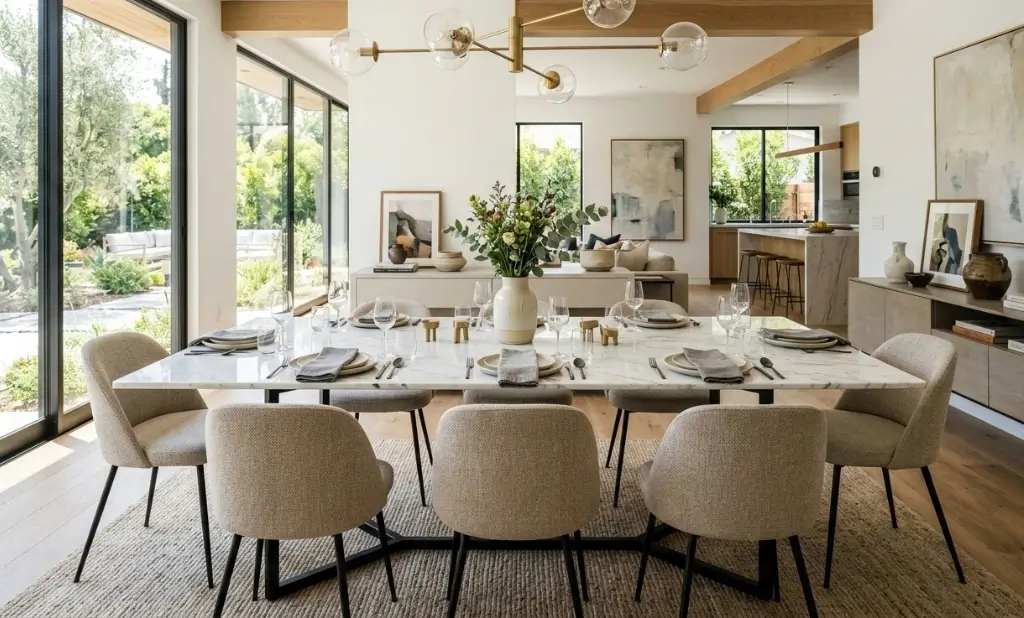
Marble dining tables command a premium price for good reason. Their natural beauty transforms any dining space into a showstopping centerpiece. But this luxury comes with a significant challenge: balancing their considerable cost with ongoing maintenance needs and durability concerns.
The veining, coloration, and character of each marble slab tell a unique story no two tables are exactly alike. This exclusivity explains their enduring appeal among designers and homeowners seeking distinctive statement pieces. I still remember running my fingers across different marble samples in a design studio, amazed at how each told its own distinct story through texture and pattern.
Through our extensive testing and consultation with industry specialists, we’ve developed this comprehensive guide to help you navigate the complex world of marble dining tables. You’ll discover how to evaluate marble quality, match table dimensions to your space, select styles that complement your décor, understand assembly requirements, and compare price points for informed purchasing decisions.
The type of marble you select dramatically impacts both appearance and long-term satisfaction with your table. Each variety offers unique aesthetic qualities and practical considerations.
Carrara marble, with its soft gray background and subtle veining, represents the most accessible option for most budgets. More durable than some luxury alternatives, it’s an excellent entry point for first-time marble owners. Calacatta, by contrast, commands premium prices for its dramatic, bold veining against crisp white backgrounds a true statement piece for design enthusiasts willing to invest in meticulous care.
Statuario marble shares Calacatta’s white background but features distinctive gray veining that creates a classic, timeless look. For those seeking dramatic contrast, Nero Marquina’s deep black backdrop with stark white veining makes a bold statement in contemporary spaces. Best Marble Types for Dining Tables Guide provides additional insights on these varieties.
The right dimensions ensure both functionality and proper proportion within your dining area. For intimate spaces serving 4 people, a 36-48 inch round or square table provides adequate dining space while maintaining conversation proximity.
For versatility in seating 4-6 people, rectangular tables measuring approximately 60-72 inches long by 36-42 inches wide strike an ideal balance. Larger households or frequent entertainers should consider 84-96 inch rectangular tables, which comfortably accommodate 8-10 diners.
Regardless of your chosen dimensions, always allow at least 36 inches of clearance around all sides for chair movement and comfortable circulation. Measure your dining area carefully, accounting for other furniture and traffic patterns before committing to a specific size.
Marble dining tables adapt beautifully across diverse design styles through thoughtful pairing of stone characteristics and base materials. Minimalist and Scandinavian interiors benefit from Carrara or white Statuario marble with clean-lined, light wood or matte metal bases creating an airy, uncluttered aesthetic.
Industrial spaces call for stronger contrasts: consider Nero Marquina or deeper-toned marbles paired with blackened steel or brass bases featuring exposed hardware and architectural details. Traditional settings harmonize with warmer Crema Marfil or Breccia marbles mounted on ornately carved wooden bases or classic pedestal designs.
The veining pattern significantly impacts overall style perception. Subtle, directional veining creates a more restrained, contemporary look, while bold, dramatic veining patterns establish the table as an artistic focal point. Why Choose Marble for Designer Dining Tables offers additional perspective on aesthetic considerations.
Marble dining tables present unique assembly challenges due to their substantial weight and delicate surface characteristics. Most quality tables ship with the marble top carefully crated separate from the base components requiring at least two strong adults for safe installation.
Base construction quality directly impacts long-term stability. Look for solid wood or heavy-gauge metal components with reinforced joinery. Bases should feature wide, stable footprints with even weight distribution. Quality manufacturers include specialized hardware designed specifically for securing heavy stone surfaces.
Never attempt to move an assembled marble table by pushing or pulling even slight leverage can stress connection points. Instead, always lift from the base with adequate assistance. Proper assembly represents a crucial investment in both safety and furniture longevity.
Entry-level marble dining tables ($800-$1,000) typically feature thinner marble veneers over engineered cores rather than solid slabs. These tables often utilize Carrara or manufactured marble composites with less distinctive veining patterns. Base materials tend toward lighter-weight wood or hollow metal construction with adequate but not exceptional stability.
Mid-range options ($1,200-$1,500) offer genuine solid marble tops approximately 3/4 to 1 inch thick, allowing for more pronounced natural veining and character. Bases at this price point feature higher-quality materials, improved stability, and more refined design details. Expect better edge finishing and more distinctive marble varieties.
Premium marble dining tables ($1,500+) showcase thick, book-matched marble slabs with exceptional veining and color depth. Designer bases often incorporate premium woods, architectural-grade metals, and distinctive design elements. The difference in visual impact and long-term durability between basic and premium models is immediately apparent and worth the investment for those with adequate budgets.
After exhaustive comparative testing, we’ve identified seven standout marble dining tables that deliver exceptional quality, distinctive design, and solid value within their respective price categories. Each selection represents the pinnacle of its particular style and functionality profile.
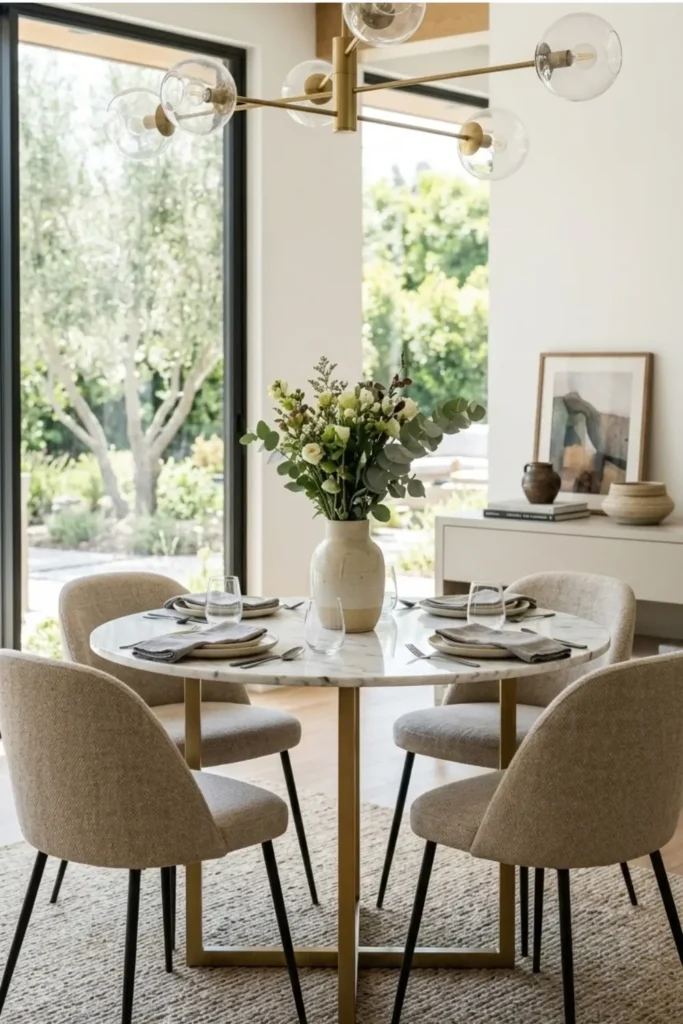
The Genoa makes an unforgettable statement through its genuine Breccia marble top a sophisticated blend of warm beige tones with dramatic burgundy, gray, and cream veining. At 48 inches square with a 30-inch height, it perfectly balances substantial presence with practical proportions for most dining spaces.
Art Deco influences appear throughout the handcrafted details, creating a table that serves as both functional dining surface and genuine art piece. At $1,485.49, with a strong 4.1-star rating, the Genoa represents the ideal intersection of distinctive luxury and practical investment for design-conscious homeowners.

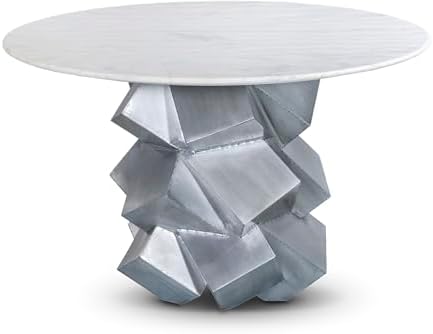
Clean lines and dramatic material contrast define the Walker table. Its genuine white marble top appears to float above a sculptural silver metal sheet base creating an arresting visual dynamic that works particularly well in contemporary and transitional spaces.
The 48-inch square format provides versatile seating while maintaining a sense of intimacy. Priced at $1,601.24, the Walker delivers sophisticated minimalism for those seeking to make a modern design statement while enjoying marble’s timeless luxury.
The Emery exemplifies refined modernism through its crisp white genuine marble surface and architectural brushed silver stainless steel base. This combination creates a bright, reflective dining experience that amplifies natural light ideal for smaller or darker dining areas seeking to maximize visual spaciousness.
At $1,354.63, the Emery presents an accessible entry point into genuine marble dining while maintaining designer-quality construction. Its versatile aesthetic pairs exceptionally well with both upholstered and more structured dining chairs.
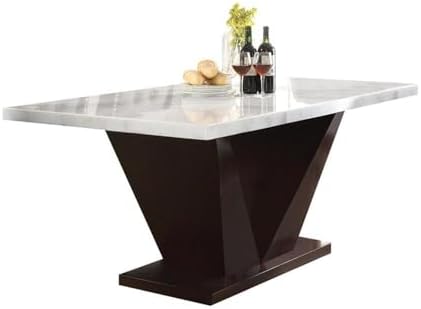
The Rafferty masterfully blends natural elements through its genuine white marble top and dark walnut solid wood pedestal base. This 70-inch rectangular format comfortably seats six diners, making it ideal for family gatherings and entertaining.
What distinguishes the Rafferty is its substantial tapered pedestal, which provides exceptional stability while eliminating the leg interference common to many rectangular tables. With a 3.9-star rating at $1,309.61, it balances traditional craftsmanship with contemporary sensibility.
The Chantelle embraces traditional elegance through its pearl white marble top and classically-inspired silhouette. This table works beautifully in formal dining rooms and transitional spaces seeking to incorporate timeless design elements.
Its 4.1-star rating reflects consistent customer satisfaction with both aesthetic appeal and construction quality. At $1,202.73, the Chantelle proves that classic design needn’t command the highest price points making refined marble dining accessible to more traditional decorating styles.
The Isolde brings innovative functionality to marble dining through its counter-height design. At 70 inches long, this rectangular table creates a casual, interactive dining experience perfect for open-concept spaces and multi-purpose rooms.
Its black-and-white palette offers maximum design versatility, while tapered legs provide both stability and visual lightness. At $1,040.91, the Isolde delivers exceptional value for those seeking the marble aesthetic in a more casual, contemporary format.

The Forbes presents the most accessible entry point into genuine marble dining. Its clean white marble top paired with warm walnut accents creates a versatile foundation for diverse decorating styles.
With a 3.5-star rating at $869.22, the Forbes balances budget consciousness with authentic materials. While it may lack some refinement details of higher-priced alternatives, it delivers the core marble dining experience at a remarkably approachable price point.
Proper cleaning techniques dramatically impact both the appearance and lifespan of your marble dining table. Always use a soft, non-abrasive cloth dampened with warm water for routine cleaning. For more thorough cleaning, select only pH-neutral cleaners specifically formulated for natural stone surfaces.
Avoid all-purpose cleaners, vinegar, citrus, or ammonia-based products, which can etch the surface and permanently damage the finish. Immediately wipe up spills, particularly from acidic substances like wine, citrus juices, or tomato sauce, which can penetrate the stone within minutes.
For comprehensive guidance, refer to our complete guide to maintaining your marble dining table, which provides detailed protocols for addressing specific substances and maintaining optimal appearance.
Preventive measures significantly reduce marble’s vulnerability to damage. Always use coasters under all beverage containers even water glasses can leave rings on unsealed or poorly maintained surfaces. Placemats or tablecloths provide essential protection during meals, particularly when serving hot dishes or foods with acidic components.
Heat protection demands special attention. Never place hot cookware directly on marble surfaces, as thermal shock can cause cracking. Always use trivets or heat-resistant pads under serving dishes, regardless of temperature.
Regular sealing represents the most critical protective measure. Quality penetrating sealers create an invisible barrier against stains without altering the stone’s natural appearance. Most marble dining tables require resealing every 6-12 months, depending on usage patterns and exposure.
Environmental factors significantly impact marble’s condition and require seasonal attention. During winter months in heated environments, monitor humidity levels, as excessive dryness can stress the stone and potentially cause hairline cracking. Consider using a humidifier in extremely dry climates.
Summer brings increased risk of direct sunlight exposure, which can fade darker marbles over time. Adjust window treatments accordingly or reposition the table during peak sun periods. Seasonal transitions represent ideal times for thorough inspection and maintenance of sealing protection.
For those considering alternative materials with different maintenance profiles, explore how marble compares to ceramic dining tables, which offer different durability characteristics.
Minor stains often respond to poultice treatments specifically formulated for marble. These absorbent compounds draw embedded stains from the stone’s porous structure without damaging the surface. Commercial marble poultices can be purchased, or DIY versions created using common ingredients though professional-grade products typically yield superior results.
Surface dullness from minor etching can sometimes be remediated through specialized marble polishing compounds applied with a soft cloth in small circular motions. More significant damage typically requires professional refinishing for satisfactory results.
Wobbling bases should be addressed immediately to prevent stress on the marble top. Check and tighten all hardware regularly, using clear rubber or silicone discs beneath legs to improve stability on uneven floors. For serious instability, consider consulting a furniture repair specialist rather than risking damage to your investment piece.
Denser marble varieties like Breccia or Carrara offer superior durability for high-traffic dining areas. Their less porous structure resists staining and etching better than softer, more luxury-oriented options like Calacatta or Statuario. The tighter crystalline structure of these denser marbles provides enhanced resistance to the inevitable spills and impacts of regular dining.
When selecting for durability, also consider darker-toned marbles, which naturally camouflage minor staining and wear patterns better than pristine white varieties. Knowing how to choose the right marble dining table for frequent use means prioritizing performance characteristics alongside aesthetic preferences.
Marble requires more attentive maintenance than many alternative materials. The ongoing care regimen includes regular sealing every 6-12 months, immediate attention to spills, consistent use of protective accessories, and careful cleaning protocols. This maintenance commitment represents the true cost of ownership beyond the initial purchase price.
For those seeking marble’s distinctive appearance with reduced maintenance demands, consider warm wood alternatives for your dining space or investigate hybrid options like marble-look quartz or porcelain, which deliver similar aesthetics with enhanced durability.
Begin by measuring your dining area’s total dimensions, then subtract a minimum of 36 inches from all walls and other furniture pieces to determine the maximum table footprint. This clearance ensures comfortable chair movement and circulation. For rectangular rooms, maintain proportional harmony by selecting a table that mirrors the room’s shape.
Beyond spatial constraints, consider your typical dining patterns. For daily family meals, prioritize comfortable spacing with approximately 24 inches of table width per person. For entertaining flexibility, select expandable designs or err toward larger dimensions if space permits.
The base construction critically impacts both stability and longevity of marble tables. Marble tops typically weigh 15-20 pounds per square foot creating substantial structural demands on supporting elements. Quality bases feature reinforced joinery, wide footprints for weight distribution, and materials dimensioned specifically to support stone surfaces.
Base material also affects maintenance requirements and overall aesthetic cohesion. Metal bases provide exceptional strength-to-weight ratios but may require occasional tightening as connections naturally expand and contract. Solid wood bases offer traditional appeal and natural dampening properties but demand proper humidity control to prevent warping that could stress the marble top.
Light-colored marbles do show stains more readily than darker varieties. Their porous structure quickly absorbs liquids, particularly those containing tannins, pigments, or oils. Red wine, coffee, olive oil, and tomato sauce pose especially high risks to white and cream marbles.
Diligent preventive measures significantly mitigate this vulnerability. Regular sealing creates effective barriers, while immediate cleanup of spills prevents deep penetration. For households with young children or frequent entertaining, consider slightly darker or more heavily veined marble varieties that naturally camouflage minor staining.
Surface protection requires consistent preventive habits. Always use placemats or chargers under plates, especially those containing acidic foods. Never slide objects across the surface always lift and place items. Felt pads beneath decorative objects prevent accidental scratching during table setting or cleaning.
Etching the dull spots caused by acid contact represents a particular challenge for marble owners. Citrus fruits, vinegars, and tomatoes can permanently etch surfaces within minutes. Beyond basic protective barriers, consider developing serving habits that keep acidic foods in designated serving dishes rather than directly on the table surface.
Modern aesthetics pair beautifully with clean-lined marble tables featuring minimal ornamentation and architectural bases. For contemporary minimalist spaces, consider tables with thin-profile marble tops (approximately 3/4 inch) that appear to float above geometric metal bases.
For color selection, modern interiors typically favor high-contrast combinations either crisp white Carrara or Statuario marble with black metal elements, or dramatic black Nero Marquina with brass or stainless accents. Veining preferences trend toward either extremely subtle patterns for pure minimalism or dramatically bold, graphic veining that functions as intentional artistic statement.
Marble dining tables deliver exceptional value for those who appreciate natural materials, one-of-a-kind patterning, and design statements that transcend trends. Their potential lifespan extends for generations when properly maintained, actually increasing in character with age something few other materials can claim.
The true value equation balances initial cost against longevity, aesthetic appreciation, and material authenticity. For design enthusiasts who value these qualities and willingly embrace the required maintenance, marble dining tables represent justified investments in both daily enjoyment and long-term asset value.