Address
304 North Cardinal
St. Dorchester Center, MA 02124
Work Hours
Monday to Friday: 7AM - 7PM
Weekend: 10AM - 5PM
Address
304 North Cardinal
St. Dorchester Center, MA 02124
Work Hours
Monday to Friday: 7AM - 7PM
Weekend: 10AM - 5PM


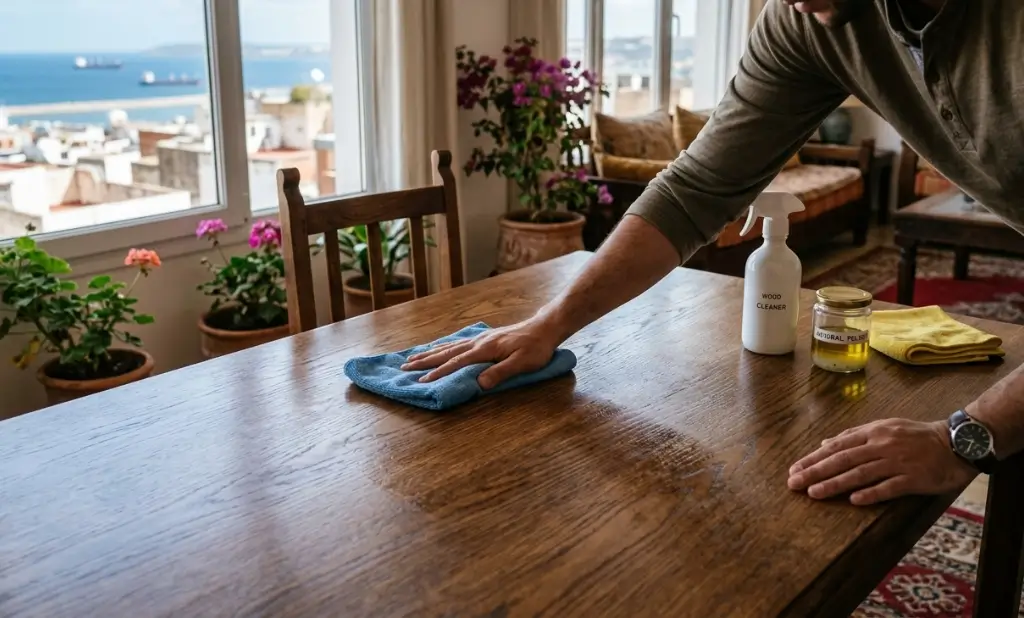
How to Clean a Wood Table? Wood tables develop a surprising amount of grime even when they look clean most homes have about 40,000 dust mites per ounce of dust hiding in plain sight on your wooden surfaces. Getting your table truly clean without damaging the finish requires specific techniques that many homeowners get wrong.
The wrong cleaning method can strip finishes, create scratches, or leave permanent water damage on your beautiful wooden table. I learned this the hard way when I ruined my grandmother’s cherished oak dining table with a vinegar solution that stripped away decades of careful maintenance. We’ve tested dozens of cleaning methods and products to identify what actually works for different types of wood tables.
From daily maintenance to tackling stubborn stains, these seven proven steps will keep your table looking its best for years to come.
Properly cleaning your wood table doesn’t require exotic products or complicated techniques. Follow these seven straightforward steps to maintain your table’s beauty:
Clear all items from your table surface. Use a soft microfiber cloth to remove loose dust and debris before introducing any moisture. Dusting first prevents scratching the surface when you move to wet cleaning.
For efficient dusting, work in a consistent direction either circular or with the wood grain to ensure you capture all particles. This simple first step prevents many common cleaning mistakes.
For most wood tables, a mixture of mild dish soap (just a few drops) in warm water works perfectly. Avoid hot water, which can damage finishes, and skip vinegar solutions for tables with specialty finishes or raw wood.
Commercial wood cleaners like Method Daily Wood Cleaner offer convenience and are formulated specifically for wood surfaces. Always check your table manufacturer’s recommendations before using any product.
The cardinal rule of cleaning wood tables: never saturate the surface. Wring out your cleaning cloth until it’s just barely damp wood quickly absorbs excess moisture, leading to warping and damage.
When using a spray cleaner, spray onto your cloth first rather than directly on the wood. This prevents moisture from seeping into joints and seams where it can cause swelling and structural damage.
Always wipe in the direction of the wood grain, not against it or in circles. This cleaning technique helps prevent residue from settling into the tiny grooves of the wood.
For tables with intricate carvings or hard-to-reach corners, use a soft-bristled brush (like an old toothbrush) to gently dislodge dirt. Follow immediately with your damp cloth to pick up the loosened debris.
Different stains require specific approaches. For water rings, a mixture of equal parts baking soda and toothpaste gently rubbed on the stain often works wonders.
For greasy marks, a wood-safe commercial cleaner like Howard Clean-A-Finish provides effective results. Stubborn ink marks sometimes respond to a small amount of rubbing alcohol applied with a cotton swab but always test in an inconspicuous area first.
After cleaning, immediately dry the surface with a clean, soft cloth. This crucial step prevents water marks and potential damage to the finish.
For extra protection, follow the expert tips for caring for wood furniture by allowing the table to air dry completely before placing objects back on it. This ensures no trapped moisture remains beneath items.
Once your table is clean and completely dry, consider applying a wood conditioner or polish appropriate for your table’s finish. This maintains the wood’s natural beauty and provides a protective barrier against future spills.
For tables that see heavy use, apply protection quarterly. Tables with less frequent use might need conditioning only twice a year to maintain their luster and protective seal.
Finding the right cleaner for your specific wood table makes all the difference between maintaining its beauty and causing damage. Our testing revealed these top performers that balance effectiveness with wood safety:
Method’s almond-scented formula shines for everyday cleaning. The plant-based ingredients remove dust and light grime without leaving residue or damaging finishes. The spray application makes quick work of routine cleaning while being gentle enough for regular use.

We found it particularly effective on sealed wood tables where frequent cleaning is needed. The non-toxic formula also makes it ideal for homes with children and pets where food safety is a concern.
This versatile cleaner tackles tougher spots and grime that daily cleaners can’t handle. Howard’s formula works equally well on wood tables and upholstery, making it a smart multi-purpose option for dining rooms.

The concentrated formula means a little goes a long way. It effectively removes built-up grime without stripping finishes, though it requires a bit more elbow grease than some other options.
When dealing with greasy buildup on kitchen-adjacent wood tables, Rejuvenate delivers excellent results. Its formulation cuts through cooking residue and restores the natural shine to wood surfaces without harsh chemicals.

The polymer-based protection helps fill in minor scratches while cleaning. While more expensive than other options, its restoration capabilities justify the higher price point for tables showing wear.
This affordable aerosol spray provides impressive deep cleaning action for neglected tables. The foam formula clings to surfaces, lifting dirt and grime that might be embedded in grain or crevices.

Guardsman works well for quarterly deep cleaning sessions. Its effectiveness on multiple wood surfaces makes it an economical choice for homes with various wood furniture pieces needing care.
Understanding your table’s composition helps determine the appropriate cleaning methods. Different wood types and constructions require specific care approaches to maintain their beauty and structural integrity.
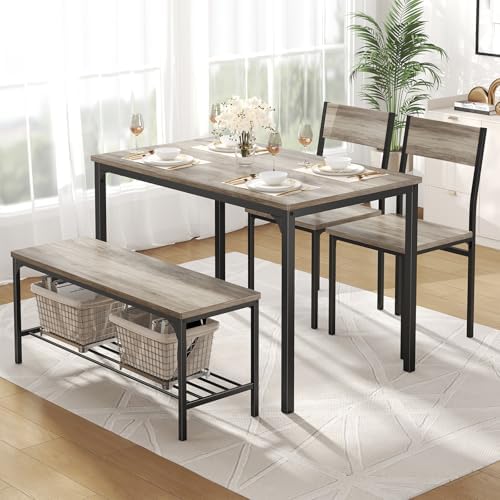
Solid wood tables made from single pieces of hardwood like oak, maple, or walnut typically withstand more robust cleaning methods. Their durable finishes often allow for slightly more moisture during cleaning, though caution is still essential.
Engineered wood tables combine wood layers with adhesives and generally feature veneer tops. These require gentler cleaning to prevent moisture from penetrating the veneer and causing delamination. Always use less moisture and avoid harsh cleaners.
MDF (Medium-Density Fiberboard) tables with wood-look finishes need the most cautious cleaning approach. Their particle construction can swell dramatically if moisture penetrates the protective finish. Use minimal moisture and dry immediately when cleaning MDF tables.
Rubberwood tables offer excellent value with surprising durability. While naturally resistant to bacteria and fungi, they benefit from regular cleaning with wood-specific products that maintain their protective finishes without saturating the somewhat porous surface.
Tables seating 4 people (typically 36-48 inches) work best in spaces around 150 square feet. Their smaller surface area makes cleaning quicker but requires careful attention to prevent cleaner run-off onto chairs and floors.
For 6-person tables (60-72 inches), allow at least 200 square feet of dining space. These middle-sized tables benefit from section-by-section cleaning to ensure thorough coverage without leaving cleaner to dry on surfaces too long.
Larger 8-person tables (80-96 inches) demand at least 300 square feet of space. Their extensive surfaces require systematic cleaning approaches to maintain consistency. Consider breaking cleaning into quadrants to ensure even attention to the entire surface.
The brighten your home with a light wood dining table approach works particularly well in smaller spaces, as lighter tones show less dust between cleanings than darker finishes.
Rustic and farmhouse tables often feature intentional distressing and characterful grain patterns. These tables hide minor marks well but may trap more dirt in their textured surfaces, requiring occasional deep cleaning with a soft brush followed by gentle wiping.
Modern style tables typically feature smooth, sleek surfaces that show every fingerprint and dust particle. Daily dusting and prompt attention to spills keep these minimalist designs looking their best. Their simpler construction often means fewer crevices to trap dirt.
Traditional tables with ornate details and carvings require special cleaning attention. Use cotton swabs or soft brushes to clean decorative elements where dust and grime collect. The extra detail work pays off in preserving these classic pieces.
Tables featuring how reclaimed wood tables bring character and eco-conscious style often have unique finishes that may require specialized care. Always check manufacturer recommendations for these character-rich pieces.
Budget-friendly tables ($150-$300) typically feature veneers over engineered wood. These require gentle cleaning methods that avoid excess moisture, which can compromise the thinner finishes and cause edge peeling.
Mid-range tables ($300-$600) often offer solid wood construction with standard finishes. These allow for more traditional cleaning methods and respond well to occasional polishing to maintain their luster.
Premium tables ($600+) feature superior construction and finishes that, while more resistant to damage, still benefit from proper cleaning techniques. The investment in quality cleaning products protects these higher-end purchases and maintains their value over time.
Tables showcasing the unique benefits of choosing mango wood for your dining table often fall into the mid to premium range, offering excellent durability with proper care.
Proper cleaning is just the beginning of comprehensive wood table care. Protecting your investment requires attention to several factors that extend well beyond basic cleaning routines.
Humidity fluctuations pose a serious threat to wood tables. Maintain indoor humidity between 40-60% year-round to prevent warping, cracking, and joint loosening. Consistent conditions preserve the structural integrity of the wood.
Direct sunlight fades wood finishes over time often unevenly. Position tables away from windows or use UV-filtering window films. If repositioning isn’t possible, rotate decorative items regularly to ensure even aging of the finish.
Temperature changes cause wood to expand and contract. Avoid placing tables near heating vents, radiators, or air conditioning units where dramatic temperature shifts occur. This simple placement consideration prevents stress cracks and joint failure.
Coasters and placemats provide essential protection against water rings, heat damage, and scratches. Make these accessories readily available and establish their use as a household habit, especially for hot dishes and dripping glasses.
Felt pads under decorative objects prevent scratches when items are moved during cleaning or use. Replace these inexpensive protectors regularly as they collect grit that can actually cause the scratches they’re meant to prevent.
Prompt attention to spills makes all the difference in preventing permanent damage. Keep a soft cloth handy in dining areas to quickly blot never wipe liquid spills before they penetrate finishes or create water spots.
Spring cleaning should include inspection of table legs and supports for loosening joints. Tighten any wobbly connections before they develop into structural problems requiring professional repair.
Summer months often bring higher humidity. In particularly humid regions, consider running a dehumidifier to protect wood from excessive moisture absorption that leads to swelling and eventual warping.
Winter heating systems create dry conditions that can shrink wood components. Following professional conservation advice for wooden objects by using a humidifier during heating season prevents cracks from developing in valuable tables.
Fall provides the perfect opportunity for a deep conditioning treatment before heating season begins. Apply a quality wood wax or conditioner appropriate for your table’s finish to seal and protect the surface through the coming months.
White water rings those ghostly circles left by damp glasses often respond to gentle heat. Use a blow dryer on low setting, keeping it moving constantly about 4-6 inches from the surface. The heat helps trapped moisture evaporate without damaging the finish.
For stubborn water marks, a gentle paste of baking soda mixed with a drop of water can work wonders. Apply with a soft cloth, rubbing very gently with the grain, then wipe clean and buff dry. Always test this method in an inconspicuous spot first.
Wobbly tables disrupt dining experiences and can lead to spills. Check and tighten all hardware regularly, replace any stripped screws, and add wood glue to loose joints. For uneven legs, adjustable furniture feet provide an easy fix for tables on uneven floors.
Minor scratches in finished surfaces can often be camouflaged using a similarly-colored wood touch-up marker, followed by a light furniture polish. This simple fix makes surface scratches virtually disappear without requiring refinishing.
The most effective method for removing water rings involves using non-gel toothpaste or a paste of baking soda and water. Apply it gently with a soft cloth, rubbing in the direction of the wood grain. For stubborn rings, a blow dryer on low heat often works by helping evaporate trapped moisture beneath the finish.
For antique or valuable tables, consider specialized ring removers designed specifically for wood furniture. Always test any solution in an inconspicuous area first, and stop immediately if you notice any change in the finish color or texture.
Diluted vinegar (one part vinegar to four parts water) works safely on most sealed wood tables, but it’s too acidic for unsealed or specialty finishes. The acetic acid in vinegar can dull certain finishes with repeated use and potentially damage raw wood.
A safer approach for most wood tables involves mild dish soap and water. If you do use a vinegar solution, wipe with a barely damp cloth and dry immediately with a second clean cloth. Never leave vinegar solution sitting on wood surfaces.
Daily dusting with a soft, dry cloth prevents buildup of abrasive particles that can scratch surfaces during deeper cleaning. After meals, wipe down your table with a slightly damp cloth to remove food residue and potential staining agents.
Perform a thorough cleaning with wood-specific products weekly for tables in regular use. Tables in less frequently used formal dining rooms might need deep cleaning only monthly. The cleaning frequency should increase in homes with young children or during allergy seasons when dust accumulates more quickly.
Microfiber cloths provide the ideal balance of gentle cleaning power and absorbency for wood tables. Their fine fibers trap dust instead of spreading it around and they won’t leave lint behind like some cotton cloths might.
Soft cotton cloths like old t-shirts or flannel also work well. Avoid paper towels, which contain wood fibers that can scratch delicate finishes, and synthetic materials that might create static and attract more dust. Always keep separate cloths for dusting and for wet cleaning to prevent spreading grime.
For sticky residue from spills or product buildup, a solution of mild dish soap and warm water usually works best. Apply with a soft cloth, rubbing gently in the direction of the grain, then wipe with a clean damp cloth and dry thoroughly.
Stubborn sticky spots sometimes require a commercial wood cleaner like Howard Clean-A-Finish. For particularly challenging residue, a small amount of mineral oil on a soft cloth can help dissolve the stickiness without damaging most finishes, though it should be wiped away completely afterward.
Commercial wood cleaners vary widely in their formulation and are not universally safe for all finishes. Always check product labels for compatibility with your specific wood type and finish. Silicone-based products, while offering immediate shine, can build up over time and create a hazy appearance.
Water-based cleaners are generally safest for most finishes but may not provide enough cleaning power for greasy buildup. Oil-based products clean effectively but require thorough buffing to prevent a sticky residue. When in doubt, test any product in an inconspicuous area and wait 24 hours to observe any adverse reactions.
Preventing scratches requires creating barriers between potentially damaging objects and your table surface. Use felt pads under all decorative items, tablecloths or placemats during meals, and coasters under all beverages to prevent direct contact with the wood.
Train household members to lift objects rather than sliding them across the table. Regular dusting prevents abrasive particles from causing micro-scratches during use. For dining tables, consider using chargers under plates to prevent dishware from directly contacting the wood surface.
Plant-based cleaners like Method Daily Wood Cleaner offer the best balance of effective cleaning and safety for households with children and pets. These products clean effectively without leaving harmful residues that might contact food or curious mouths.
Always store cleaning products securely away from children and pets, even natural ones. Wipe tables thoroughly after cleaning, and allow surfaces to dry completely before serving food directly on the table. For added safety, consider using tablecloths during meals with young children, making cleanup easier while protecting the wood surface.