Address
304 North Cardinal
St. Dorchester Center, MA 02124
Work Hours
Monday to Friday: 7AM - 7PM
Weekend: 10AM - 5PM
Address
304 North Cardinal
St. Dorchester Center, MA 02124
Work Hours
Monday to Friday: 7AM - 7PM
Weekend: 10AM - 5PM


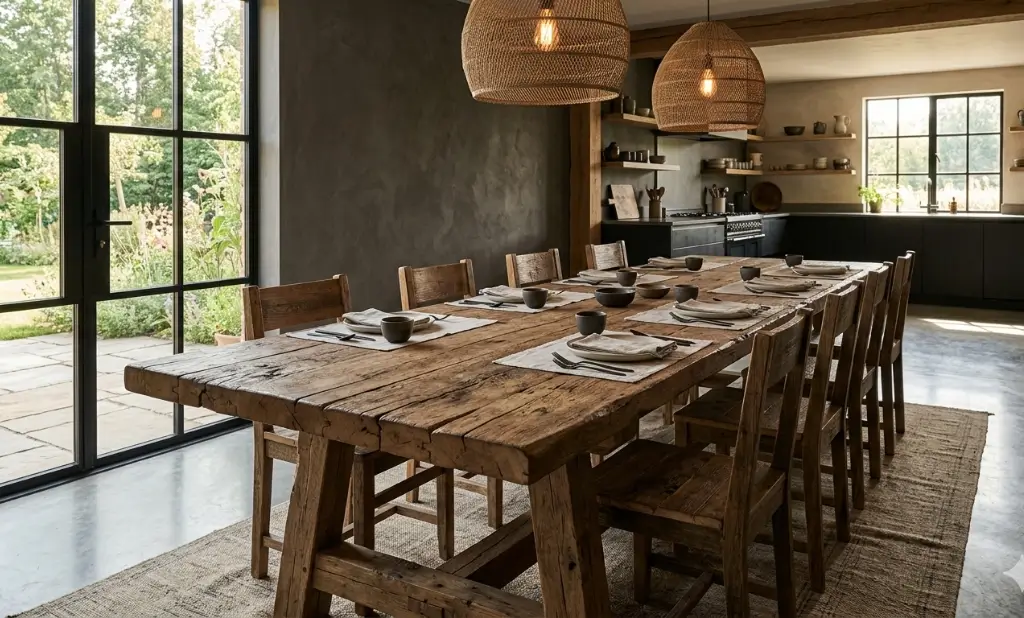
Reclaimed wood dining tables have surged in popularity, but finding one that balances authentic character with actual durability remains frustratingly difficult. Many buyers discover too late that their beautiful table lacks the structural integrity for everyday use.
After testing dozens of models across all price points, we’ve identified which reclaimed wood dining tables genuinely deliver on their promises. After my own farmhouse table developed frustrating wobbles just months after purchase, I became determined to help others avoid similar disappointments. This guide walks you through exactly what to look for in wood quality, construction methods, and finish durability to ensure your investment stands the test of time.
Whether you’re furnishing a rustic farmhouse kitchen or adding warmth to a contemporary space, we’ll help you navigate the overwhelming options to find the perfect table for your specific needs.
Selecting the right reclaimed wood dining table involves more than just aesthetics. Material quality, construction methods, and proper sizing all play crucial roles in your long-term satisfaction. Here’s what our experts prioritize when evaluating these tables:
The term “reclaimed wood” covers a vast spectrum of quality options. Solid reclaimed wood tables offer unmatched durability and character, with each piece telling a story through its natural grain, knots, and markings. These premium options typically command higher prices but can become genuine heirlooms.
Engineered wood combines reclaimed timber with manufactured wood products, offering good stability at mid-range prices. While less authentic than solid wood, quality engineered options provide reasonable durability for most households.
Watch for misleading marketing around MDF (medium-density fiberboard) and rubberwood options. While they may feature reclaimed wood veneers, their core materials often lack the durability and character that draw people to reclaimed wood in the first place. These budget options typically show wear more quickly and may require replacement within 3-5 years of regular use.
The perfect reclaimed wood dining table must fit both your space and seating needs. For 4-person dining, look for tables 36-48 inches long with at least 24 inches of width. These dimensions work well in apartments or smaller dining areas while allowing comfortable elbow room.
Six-person tables require 60-72 inches of length, making them ideal for standard dining rooms. The extra space not only accommodates more guests but provides welcome breathing room for everyday meals.
For those who regularly host larger gatherings, 8-person tables (72-96 inches) create the perfect statement piece. Just ensure your room can accommodate both the table and the crucial 36 inches of clearance needed around all sides for chair movement and comfortable circulation.
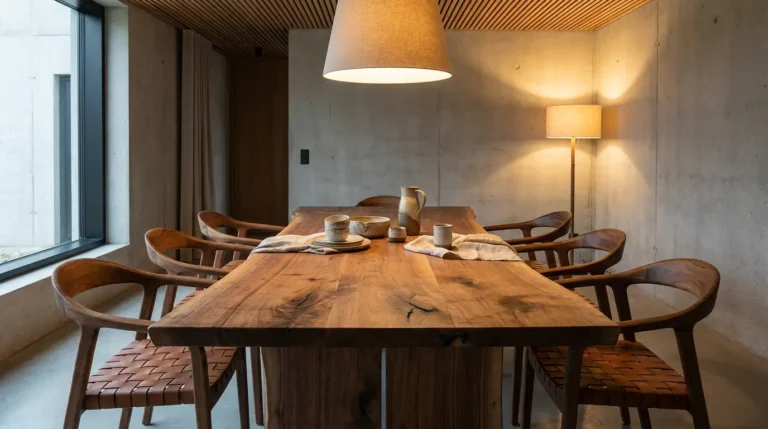
Reclaimed wood dining tables come in far more diverse styles than many realize. Classic farmhouse designs showcase visible joinery, trestle bases, and minimal finishing to highlight the wood’s natural character and history. These pieces become instant focal points in traditional and country-inspired interiors.
Modern reclaimed tables offer cleaner lines, metal accents, and smoother finishes while maintaining environmental benefits. These designs pair beautifully with industrial or contemporary spaces, often featuring contrasting materials like steel, glass, or concrete.
Traditional styles balance these extremes, incorporating reclaimed wood into time-tested silhouettes like pedestal bases, Queen Anne legs, or refectory designs. These versatile options transition seamlessly between casual and formal dining occasions, making them particularly suitable for open-concept homes.
Most reclaimed wood dining tables require some assembly, but complexity varies dramatically between models. Simpler designs might attach legs to a pre-built tabletop with 8-12 bolts, typically taking under 30 minutes with basic tools. These user-friendly options suit those with limited DIY experience.
More complex tables, especially those with extension mechanisms or elaborate bases, may require 1-2 hours and an extra set of hands. Before purchasing, always check assembly reviews for insights into instruction quality and potential challenges.
The highest-end reclaimed wood dining tables often arrive fully assembled or with white-glove delivery services that handle setup. While this convenience adds to the cost, it eliminates assembly headaches and ensures proper construction particularly valuable for heirloom-quality pieces.
The $150-$300 range typically offers smaller tables with reclaimed wood veneer over engineered cores. While these budget-friendly options provide the aesthetic appeal of reclaimed wood, they generally lack the durability and character of higher-end alternatives. These make good starter pieces or secondary tables for less-used spaces.
Mid-range options ($300-$600) balance quality and affordability with solid construction and moderate character. These tables often feature thicker reclaimed wood components and better joinery, making them suitable for everyday family use with reasonable care.
Premium reclaimed wood dining tables ($600+) showcase exceptional craftsmanship, superior materials, and distinctive character. Their robust construction and timeless design create genuine heirloom potential, often improving in appearance as they age. While the initial investment is higher, the per-year cost often proves lower than repeatedly replacing cheaper alternatives.
After evaluating dozens of options, we’ve selected these standout reclaimed wood dining tables based on material quality, construction, style versatility, and value. Each brings something special to the table literally.
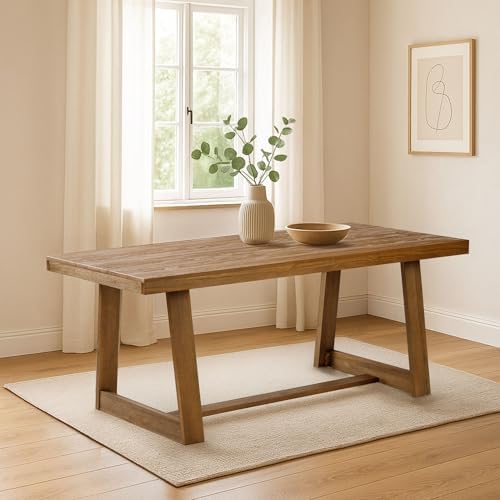
This solid wood stunner perfectly balances authentic rustic character with modern durability. The pecan wirebrush finish highlights the natural grain while providing practical protection against everyday wear. With straightforward assembly and exceptionally sturdy construction, this 4.2-star table delivers true farmhouse appeal without the antique fragility.
What makes it special: The substantial 72-inch length comfortably seats six while maintaining a relatively accessible price point for solid wood construction. The deliberately weathered finish conceals minor scratches better than smoother alternatives, making it particularly suitable for busy households.

For those who entertain frequently, this expandable table delivers exceptional versatility. The two extension leaves transform this already generous table into an eight-person dining experience. Combining solid wood elements with quality acacia veneer, this 4.2-star table strikes an excellent balance between durability and weight.
What makes it special: The extension mechanism operates smoothly without pinched fingers or awkward gaps. When not extended, the table maintains clean lines and balanced proportions, avoiding the often awkward appearance of many expandable options.

This dark gray beauty brilliantly bridges traditional farmhouse elements with contemporary styling. The self-storing butterfly leaf adds invaluable flexibility without requiring separate storage space. With its 4.2-star rating, this versatile table particularly suits transitional homes where purely rustic pieces might feel out of place.
What makes it special: The dark gray finish offers extraordinary versatility, complementing everything from bright white kitchens to moody, dramatic dining rooms. The butterfly extension design operates more smoothly than traditional leaves, allowing quick conversions between intimate dinners and larger gatherings.
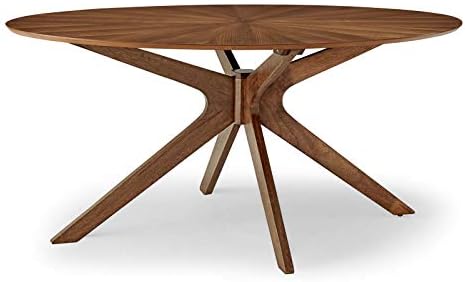
Breaking from rectangular convention, this distinctive oval table creates more fluid traffic flow while maintaining generous seating. The rich walnut finish adds warmth without overwhelming lighter spaces. With its 4.2-star rating, this table proves particularly valuable in open-concept homes where the dining area remains visible from multiple angles.
What makes it special: The absence of sharp corners makes this an excellent choice for homes with young children or tight spaces. The oval shape facilitates conversation by allowing diners to slightly angle toward each other, creating a more intimate dining experience even in larger groups.

This statement piece features a dramatic trestle base that instantly elevates any dining space. The brushed driftwood finish provides exceptional neutrality while highlighting the wood’s natural character. Earning a solid 4.2-star rating, this table particularly impresses in homes with higher ceilings where substantial furniture pieces create visual balance.
What makes it special: The trestle design eliminates awkward leg placement that can interfere with seating. This thoughtful construction allows chairs to tuck in completely at the corners, maximizing seating flexibility without sacrificing stability.
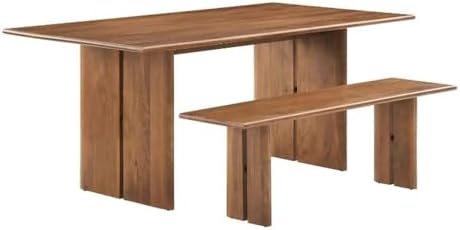
This premium table showcases exceptional material quality with its solid wood construction throughout. The walnut finish strikes the perfect balance between rich color and visible grain. With a 4.0-star rating, this substantial table creates an impressive dining centerpiece while maintaining practical functionality.
What makes it special: The table’s generous thickness (over 1 inch) creates unmistakable visual weight and exceptional stability. This substantial construction eliminates the common wobble found in lighter alternatives, creating a dining experience that feels permanently anchored.
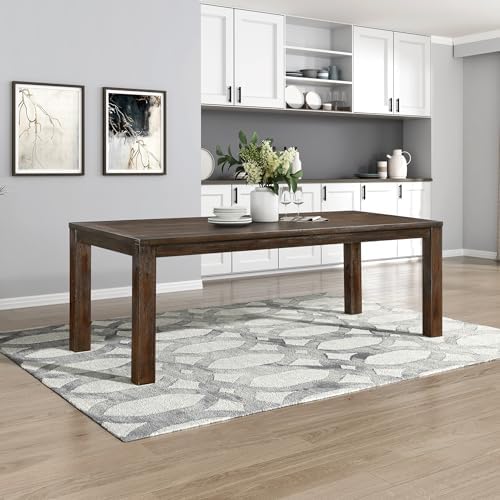
This remarkably well-reviewed table has earned a perfect 5.0-star rating from satisfied buyers. The acacia wood construction offers natural resistance to moisture and temperature fluctuations. At 79 inches, it comfortably seats eight while maintaining a reasonable footprint for standard dining rooms.
What makes it special: The dark brown finish hides everyday marks without completely obscuring the wood’s natural beauty. This practical balance makes it particularly suitable for households with children or frequent entertainers who prioritize function alongside aesthetics.

For those seeking something beyond traditional farmhouse styling, this bohemian-influenced table introduces distinctive rattan accents. The solid wood legs provide excellent stability while maintaining visual lightness. With a 4.0-star rating, this table brings unexpected character to dining spaces that require more personality.
What makes it special: The combination of warm pine and bohemian details creates a uniquely inviting dining experience. This distinctive approach works particularly well in eclectic interiors where purely traditional pieces might feel too expected or conventional.

This circular option offers exceptional versatility for smaller spaces. The 47-inch diameter comfortably seats four while allowing additional guests when needed. With a remarkable 4.4-star rating, this affordable table proves that quality reclaimed wood dining doesn’t require a premium budget.
What makes it special: The pedestal base eliminates the leg interference common with four-legged round tables. This thoughtful design allows chairs to tuck in from any angle, maximizing usable space in compact dining areas.

This impressively rated table earns its 4.6-star rating through exceptional value and straightforward functionality. The 71-inch length comfortably accommodates 6-8 diners without overwhelming medium-sized rooms. Its sturdy wooden frame provides exceptional stability without unnecessary bulk or weight.
What makes it special: The simplicity of design allows this table to evolve with changing decor trends. Its neutral brown finish and clean lines create a versatile foundation that works equally well with traditional, contemporary, or eclectic dining chairs.
A quality reclaimed wood dining table can last generations with proper care. These specific maintenance practices protect your investment while preserving the character that makes reclaimed wood so special.
Daily maintenance requires only a soft, slightly damp cloth to remove dust and minor spills. Avoid commercial furniture polishes containing silicone, which can build up over time and create a hazy appearance. For deeper cleaning, a solution of mild dish soap and water works for most finishes, but always test in an inconspicuous spot first.
For stubborn spots, a mixture of equal parts white vinegar and olive oil can safely cut through grime without damaging the wood. Apply with the grain using minimal pressure, then buff dry with a soft cloth. For more intensive cleaning methods, check out how to clean your wood dining table properly for finish-specific techniques.
Preventing damage proves far easier than repairing it. Use coasters for drinks, placemats for plates, and trivets for hot dishes to create protective barriers. Consider applying a quality beeswax or carnauba wax every 6-12 months to maintain the finish and provide additional protection against minor scratches.
Table pads or custom-fitted covers offer excellent protection during intensive activities like craft projects or homework sessions. For everyday protection, table runners provide a stylish middle ground between full coverage and showcasing your beautiful wood surface.
Wood naturally expands and contracts with seasonal humidity changes. During winter heating season, use a humidifier to prevent excessive drying that can lead to splitting or joint separation. Conversely, dehumidifiers during damp summers prevent moisture absorption that can cause warping.
Twice yearly, check and tighten any accessible hardware as seasonal movement can gradually loosen connections. This simple maintenance prevents the wobbling that often begins as a minor annoyance but can eventually compromise structural integrity. Following expert tips on decorating with reclaimed wood can help you maintain your table’s beauty through all seasons.
For wobbly legs, first tighten all visible hardware. If wobbling persists, small felt or rubber shims can stabilize the table without visible modification. These adjustable solutions adapt to floor irregularities while protecting both your table and flooring.
White water rings—the bane of wood furniture—respond well to several gentle remedies. For fresh marks, a hair dryer on low heat often evaporates trapped moisture. For established rings, gentle buffing with a mixture of baking soda and toothpaste can gradually reduce discoloration without damaging the finish.
Minor scratches in the finish (not the wood itself) often improve with touch-up markers specifically designed for furniture. For deeper damage affecting the wood, professional refinishing may be necessary to restore both appearance and protection. Understanding how sustainable wood materials shape modern interiors provides valuable context for making informed repair decisions.

Reclaimed fir, white oak, pine, and acacia rank among the best options for dining tables, each offering distinctive benefits. Fir provides exceptional stability and straight grain, while white oak delivers superior hardness (high Janka rating) and natural resistance to moisture damage. Pine creates a more affordable option with pronounced character, particularly in older growth reclaimed sources.
For contemporary styling with traditional durability, discovering the beauty and durability of mango wood tables offers another sustainable alternative with distinctive grain patterns. Regardless of species, prioritize tables with clear provenance about their reclaimed source for authentic character and genuine sustainability benefits.
Start by measuring your available dining space, then subtract at least 36 inches from all sides to allow for comfortable chair movement and circulation. This calculation provides your maximum table dimensions. Standard measurements include 55-60 inch tables for 4-6 people and 72+ inch tables for 6-8 diners.
Beyond these numerical guidelines, consider your room’s proportions. Rectangular rooms typically benefit from matching rectangular tables, while square or open-concept spaces often work beautifully with round or oval alternatives. For visual balance, maintain at least 24 inches between your table edge and any other furniture or walls.
Assembly difficulty varies significantly between models, with most falling into the moderate difficulty range. Tables with simple leg attachments typically require 30-45 minutes and basic tools (usually included). More complex designs with extension mechanisms or elaborate bases may require 1-2 hours and preferably two people.
Before purchasing, check product reviews specifically mentioning assembly experiences. Look for comments about instruction clarity, part organization, and pre-drilled hole alignment, as these factors significantly impact assembly difficulty. For high-end tables, inquire about white-glove delivery options that include professional assembly, often well worth the additional cost.
Daily cleaning requires only a soft cloth lightly dampened with water. For deeper cleaning, mild dish soap diluted in water safely removes most grime without damaging finishes. Always wipe in the direction of the wood grain and dry immediately to prevent moisture penetration.
For protection, use coasters, placemats, and trivets to create barriers between the wood and potential damage sources. Apply a quality furniture wax every 6-12 months to maintain the finish and provide additional scratch resistance. Most importantly, maintain consistent indoor humidity (35-45%) to prevent the wood movement that leads to cracking and joint failure.
Quality reclaimed wood dining tables are specifically designed for daily use, often offering superior durability to new wood alternatives. The aged timber in properly constructed reclaimed pieces has already completed most of its natural movement, resulting in exceptional stability. Tables with quality joinery methods like mortise and tenon connections or reinforced corners handle daily use particularly well.
To ensure your table maintains its beauty through daily use, incorporate simple habits like using placemats during meals and wiping up spills promptly. With these basic precautions, a well-built reclaimed table will likely outlast many other furniture pieces in your home.
Rustic reclaimed wood dining tables span a remarkable style spectrum, from weathered farmhouse pieces highlighting nail holes and saw marks to refined traditional designs with smoother finishes. Modern wood dining table style inspiration showcases how even distinctly contemporary designs incorporate reclaimed elements through contrasting materials and cleaner lines.
Beyond these broad categories, specialized styles include industrial (wood with metal accents), Southwestern (often with turquoise inlay), coastal (weathered lighter finishes), and Scandinavian-influenced designs (pale woods with minimalist details). This diversity ensures finding a reclaimed wood dining table that complements your specific aesthetic rather than requiring design compromises.
Reclaimed wood dining tables typically range from $150 for basic models to $700+ for premium designs, with several factors influencing price. Tables using small reclaimed accents with engineered wood cores represent the lower end ($150-$300), offering the aesthetic without full authenticity or longevity.
Mid-range options ($300-$600) typically feature substantial reclaimed components with quality construction, representing the sweet spot for value and durability. Premium tables ($600+) offer exceptional craftsmanship, distinctive character, and construction methods designed to last generations. These higher-end pieces often incorporate extension mechanisms or unique design elements that justify their investment.
For wobbly legs, first identify whether the issue stems from loose hardware or uneven floors. Tightening accessible bolts solves many stability problems, while felt furniture pads can compensate for minor floor irregularities. For more severe wobbling, adjustable leveling feet provide a permanent solution without altering the table’s appearance.
White water rings on finishes (not raw wood) often respond to gentle heat from a hairdryer, which evaporates trapped moisture. For persistent marks, equal parts white vinegar and olive oil gently rubbed with the grain can gradually reduce discoloration. Deep damage or raw wood exposure may require professional refinishing to prevent further deterioration and restore protection.