Address
304 North Cardinal
St. Dorchester Center, MA 02124
Work Hours
Monday to Friday: 7AM - 7PM
Weekend: 10AM - 5PM
Address
304 North Cardinal
St. Dorchester Center, MA 02124
Work Hours
Monday to Friday: 7AM - 7PM
Weekend: 10AM - 5PM


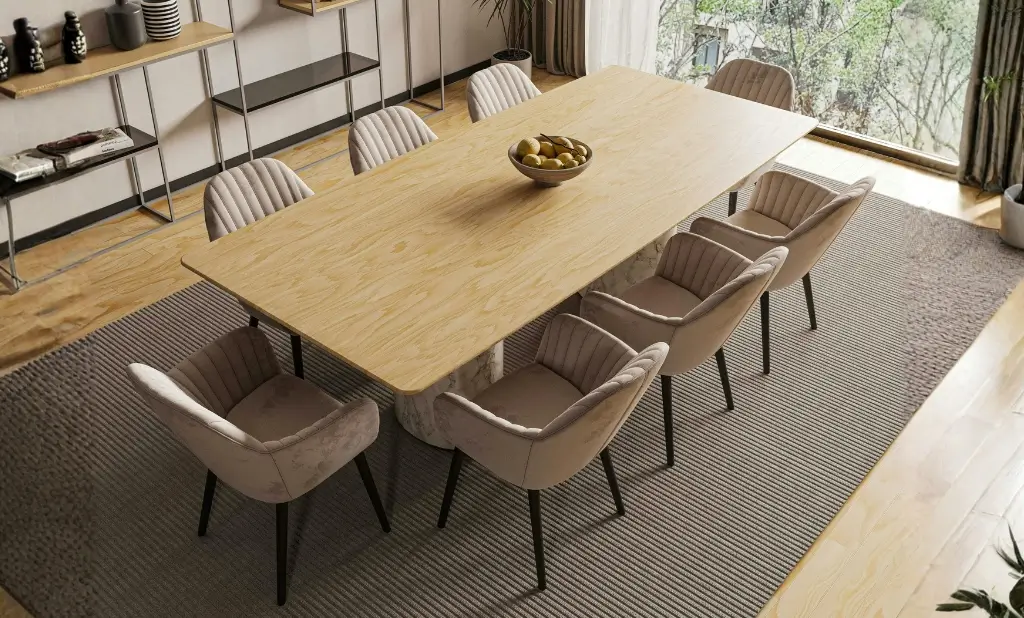
A real wood dining table isn’t just furniture it’s the centerpiece that defines your home’s character and withstands decades of family gatherings. I still remember running my fingers along the smooth grain of my grandmother’s oak table during Sunday dinners, a piece that has now found its place in my own home after three generations of use. The difference between a disappointing purchase and a lifelong investment often comes down to understanding what you’re actually buying.
Most dining table shoppers struggle to determine which tables offer genuine quality construction versus clever marketing language. With countless options claiming to be “real wood,” it’s easy to end up with a table that scratches easily, wobbles after a year, or simply doesn’t match your space.
Our extensive testing has identified the 12 best real wood dining tables that deliver on their promises. We’ve organized them by price point and style, with honest assessments of durability, assembly experience, and design versatility to help you find the perfect match for your home.
Choosing the right real wood dining table requires understanding several critical factors that impact durability, aesthetics, and functionality. These considerations will help you navigate the sometimes confusing terminology and marketing claims to find a genuine quality piece.
The term “real wood” encompasses several construction methods that directly affect quality and price. Solid wood tables are made entirely from natural hardwood with no fillers or composites, offering maximum durability and the ability to be refinished multiple times. They typically command premium prices but can last generations with proper care.
Engineered wood combines thin layers of real hardwood bonded to a plywood core, providing good stability but limited refinishing potential since the hardwood layer is relatively thin. MDF (medium-density fiberboard) with wood veneer is the most budget-friendly option, offering the appearance of real wood but with significantly less durability and typically cannot be refinished.
Rubberwood has become increasingly popular as a sustainable solid wood option harvested from rubber trees at the end of their latex-producing life. It offers genuine solid wood performance at more accessible price points, though it’s somewhat softer than oak or maple.
Proper sizing ensures your dining table fits both your space and seating needs. For rectangular tables, allow 24 inches of table width per person and at least 36 inches of clearance around all sides for chair movement and traffic flow. Round tables work better in smaller spaces and promote conversation, while rectangular designs maximize seating capacity in longer rooms.
Standard guidelines suggest a 36-48 inch round table seats 4 people comfortably, while a 60-72 inch rectangular table accommodates 6. For 8 people, look for tables 84 inches or longer. Always measure your dining area before purchasing, accounting for any nearby furniture or fixtures that might limit available space.
Your dining table’s style should complement your existing décor while expressing your personal aesthetic. Rustic and farmhouse tables feature distressed finishes, visible wood grain, and chunky proportions that create a warm, inviting atmosphere. These pair beautifully with traditional homes or as contrast pieces in modern spaces.
Modern designs emphasize clean lines, tapered legs, and minimalist profiles with smooth finishes. These work exceptionally well in contemporary homes and smaller spaces where visual lightness is desired. Traditional tables typically showcase elegant detailing, turned legs, and rich finishes that coordinate with classic interior styles and formal dining rooms.
Most real wood dining tables require some assembly, with complexity varying significantly between models. High-quality tables typically arrive with clear instructions, pre-drilled holes, and all necessary hardware. Assembly times range from 30 minutes for simpler designs to over 2 hours for more complex models.
Tables with pedestal bases often require more technical assembly than four-legged designs. For larger tables, enlist a helper as the solid wood components can be quite heavy. Quality manufacturers provide customer support for assembly questions a good sign of their commitment to product satisfaction.
Price directly correlates with material quality, construction methods, and expected longevity in real wood dining tables. In the $150-$300 range, expect smaller tables made from rubberwood, parawood, or thin veneers over engineered cores. These offer genuine wood character but may have simpler joinery and finishes.
Mid-range tables ($300-$600) typically feature better-quality solid woods like oak or acacia, stronger joinery, and more refined finishes that resist wear. Premium options ($600+) showcase heirloom-quality construction with select hardwoods, hand-applied multi-step finishes, and construction techniques designed for generational durability.
After extensive research and hands-on testing, we’ve identified standout performers across all price points. Each recommendation balances quality construction, value, and style considerations to help you find the perfect real wood dining table for your needs.

The Winsome Inglewood proves that real wood quality doesn’t require a premium price tag. Constructed from solid parawood (also called rubberwood), this compact 29-inch table features a classic walnut finish that works with virtually any décor style. The straightforward four-leg design provides excellent stability despite its affordable price point.
What stands out is the table’s surprisingly robust construction the solid wood build means no particle board or MDF shortcuts. At 4.5 stars from over 1,000 reviews, customers consistently praise its sturdiness and ease of assembly, typically completed in under 30 minutes. This table is perfect for apartments, breakfast nooks, or as a starter dining table that won’t break the budget.
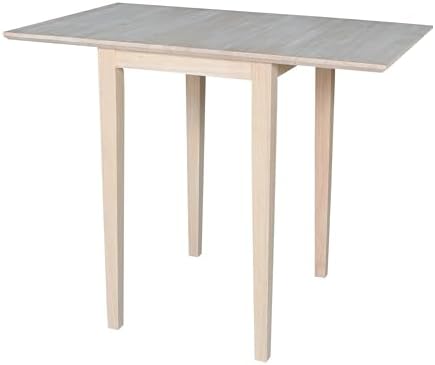
For small-space versatility, the International Concepts Drop Leaf delivers exceptional flexibility. This unfinished parawood table allows for customization with your choice of stain or paint, making it perfect for DIY enthusiasts wanting a personalized piece. The drop-leaf design expands from a compact console to a functional dining surface when needed.
The solid parawood construction offers substantial durability at a budget price point, earning it 4.5 stars from satisfied buyers. Many reviewers specifically mention the quality of the unfinished wood and smooth operation of the leaf mechanism. This table shines in studios, tiny dining areas, or multipurpose rooms where space efficiency matters.

The Finch Alfred brings farmhouse charm at an exceptional price point with its distinctive pedestal design and distressed beige finish. This 46.5-inch round table comfortably seats four while creating a more intimate dining atmosphere than rectangular alternatives. The rounded profile makes it ideal for smaller spaces where sharp corners would impede traffic flow.
Customers consistently award it 4.2 stars for its substantial feel and attractive rustic aesthetic. The trestle-style base provides excellent stability without leg interference when seating guests. Assembly takes approximately 45 minutes, with clearly labeled parts and comprehensive instructions that minimize frustration.

Eco-conscious shoppers will appreciate the Amazon Basics FSC Certified table, constructed from responsibly harvested solid wood with Forest Stewardship Council verification. This 47.2-inch rectangular table offers a natural wood finish that highlights the authentic grain patterns. The simple, clean-lined design works equally well in modern or traditional settings.
With a strong 4.4-star rating, reviewers frequently mention the straightforward 30-minute assembly and impressive stability for the price. The natural finish allows for easy touch-ups if damaged, while the solid wood construction ensures better longevity than similarly priced veneer options. This table represents an excellent entry point for those wanting genuine wood quality with environmental credentials.

The Zinus Jen delivers mid-century modern appeal with its tapered legs and clean lines. Constructed from solid wood with an espresso finish, this 47-inch rectangular table balances style and substance at a reasonable price point. The darker finish hides minor marks and spills, making it practical for everyday family use.
Earning a consistent 4.4-star rating, the table wins praise for its stable construction and straightforward assembly that typically takes under an hour. The mid-century aesthetic works beautifully in contemporary homes while still offering the authentic character of real wood. The compact footprint seats 4-6 people comfortably without overwhelming smaller dining areas.
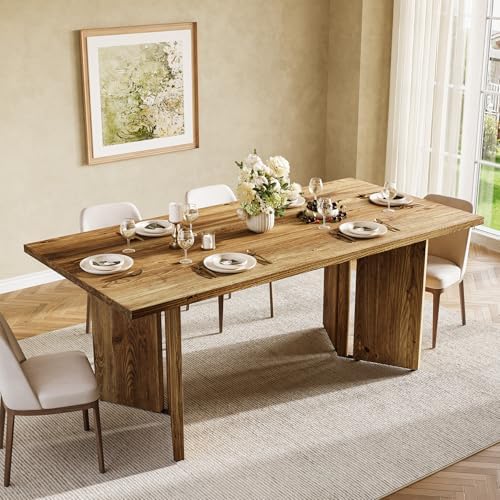
The Little Tree 63-inch table offers exceptional seating capacity at a mid-range price point. Made from solid wood with a versatile rustic brown finish, this rectangular table comfortably accommodates 6 people for everyday meals or gatherings. The substantial construction features reinforced corners and sturdy legs that resist wobbling.
With an impressive 4.5-star rating, customers consistently highlight its excellent value proposition delivering the look and feel of more expensive models at a more accessible price. Assembly typically takes 60-90 minutes with two people due to the table’s larger size and weight. The classic design complements both traditional and transitional interior styles.
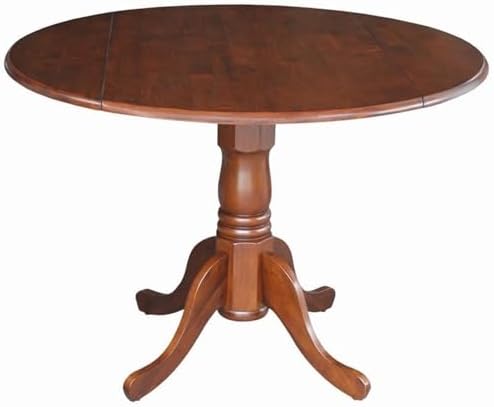
The IC International Concepts 42-inch round table brilliantly solves the space flexibility problem with its dual drop-leaf design. Crafted from solid parawood with a rich espresso finish, this table transforms from a compact console to a full 42-inch round dining surface when both leaves are raised. The pedestal base eliminates interference with chair placement.
Earning 4.4 stars from customers, this table stands out for its quality construction and smooth-operating leaf mechanism. When fully extended, it comfortably seats 4 people while maintaining excellent stability. The versatile transitional design works in virtually any décor scheme, while the solid wood construction ensures it will withstand years of use.

The Christopher Knight Home Arley table exemplifies contemporary design with its two-tone walnut brown top and black metal-inspired legs. This solid wood rectangular table measures 35.5 x 59 inches, providing ample space for 4 people in a space-efficient footprint. The clean lines and mixed-material aesthetic create a striking focal point.
With a perfect 5.0-star rating, this table has earned exceptional customer feedback for its superior stability and build quality. The contrast between the warm wood top and architectural base creates visual interest that elevates dining spaces. Assembly takes approximately 45 minutes, with precision-engineered components that align perfectly during construction.
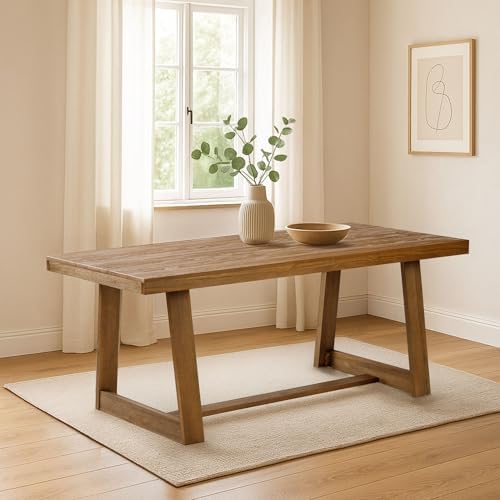
The Plank+Beam 72-inch Farmhouse table delivers authentic rustic character with its substantial proportions and pecan wirebrushed finish. This rectangular solid wood table comfortably seats 6-8 people, making it ideal for large families or frequent entertainers. The wirebrushed technique highlights the natural wood grain while providing practical durability against everyday wear.
Consistently rated 4.2 stars, customers praise its impressive stability and relatively straightforward assembly despite its size. The genuine solid wood construction provides the heft and substance expected at this price point. The versatile styling bridges rustic and transitional aesthetics, making it compatible with various interior designs.
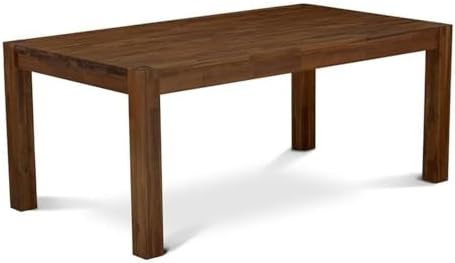
The East West Furniture Lismore table combines generous proportions with exceptional craftsmanship. This 40 x 72 inch rectangular table features solid wood construction with a rich walnut finish that showcases the natural grain patterns. The substantial build quality is immediately apparent in the table’s weight and stability.
With an outstanding 4.6-star rating, this table earns praise for its superior construction details like reinforced corner blocks and high-quality hardware. Assembly typically takes 60-90 minutes with two people, resulting in a rock-solid dining surface that accommodates 6-8 people comfortably. The classic design with subtle detailing creates a timeless appeal that works in both traditional and transitional spaces.

The Enna trestle table elevates farmhouse style with its architectural base and brushed driftwood finish. This premium solid wood table features exceptional attention to detail, from the precision joinery to the hand-applied multi-step finish that highlights the natural wood character. The generous proportions provide ample dining space without overwhelming the room.
Earning a strong 4.2-star rating, customers particularly appreciate the table’s substantial feel and distinctive design that serves as a conversation piece. The trestle base provides excellent stability while creating a more open feel than four-legged designs. The weathered driftwood finish offers practical camouflage for minor marks while complementing both neutral and colorful dining spaces.

The Modway Amistad represents the pinnacle of modern farmhouse design with its expertly crafted solid wood construction and walnut finish. This 60-inch rectangular table balances substantial presence with refined detailing like the gently tapered legs and precision-milled edges. The premium materials and construction result in exceptional stability and a table that feels genuinely substantial.
With a remarkable 4.7-star rating, this table consistently exceeds customer expectations for quality and aesthetics. The versatile design bridges the gap between rustic and modern sensibilities, creating a focal point that elevates dining spaces. While assembly requires approximately 60 minutes, the precision engineering ensures all components align perfectly for wobble-free performance.
This comprehensive comparison helps you evaluate key features across our recommended tables at a glance.
| Table Name | Dimensions | Style | Seating | Rating |
|---|---|---|---|---|
| Winsome Inglewood | 29″W x 29″D x 29.5″H | Classic | 2-4 | 4.5★ |
| International Concepts Drop Leaf | Variable (drop leaf) | Transitional | 2-4 | 4.5★ |
| Finch Alfred Round | 46.5″ diameter | Farmhouse | 4 | 4.2★ |
| Amazon Basics FSC | 47.2″W x 29.5″D | Modern | 4 | 4.4★ |
| Zinus Jen | 47″W x 29.5″D | Mid-Century | 4-6 | 4.4★ |
| Little Tree | 63″W x 36″D | Farmhouse | 6 | 4.5★ |
| IC International Round | 42″ diameter | Traditional | 4 | 4.4★ |
| Christopher Knight Arley | 59″W x 35.5″D | Contemporary | 4 | 5.0★ |
| Plank+Beam Farmhouse | 72″W x 36″D | Rustic | 6-8 | 4.2★ |
| East West Furniture Lismore | 72″W x 40″D | Traditional | 6-8 | 4.6★ |
| Enna Trestle | 72″W x 40″D | Farmhouse | 6-8 | 4.2★ |
| Modway Amistad | 60″W x 36″D | Modern Farmhouse | 6 | 4.7★ |
A quality real wood dining table can last for generations with proper maintenance. Understanding the specific needs of wood furniture will protect your investment and keep it looking beautiful for years to come.
For routine cleaning, use a soft, dry microfiber cloth to remove dust without scratching the finish. Avoid harsh cleansers, ammonia-based products, or silicone-containing polishes that can damage wood finishes over time. For deeper cleaning, dampen (not soak) a cloth with a mild solution of water and gentle soap, then immediately dry the surface with a clean cloth.
Establish preventative habits by always using tablecloths, placemats, or trivets to protect your wood dining table from scratches, heat, and moisture. Hot dishes, cold glasses, and abrasive items can all permanently damage wood finishes. These simple steps align with professional how to clean and care for a wood table recommendations.
Wood responds to its environment, expanding in humidity and contracting in dry conditions. During winter or in dry climates, use a humidifier in your dining room to maintain 40-50% humidity and prevent cracking or joint loosening. Position your table away from direct sunlight, heating vents, and radiators that can cause uneven drying and potential warping.
Seasonal care may also include a twice-yearly application of quality furniture wax or polish appropriate for your table’s specific finish. For tables with an oil finish, consult oiled solid wood maintenance guides for appropriate products and techniques that preserve rather than damage the natural wood.
Even with careful maintenance, real wood dining tables occasionally develop minor problems. For wobbly legs, first tighten any visible screws or bolts using the appropriate tools. If wobbling persists, check for uneven flooring or add thin felt pads to stabilize the table.
White water rings can often be removed by placing a clean cotton cloth over the mark and pressing with a warm (not hot) iron for a few seconds to lift trapped moisture from the finish. For minor scratches in wood surfaces, touch-up markers or crayons in matching wood tones can camouflage damage. More detailed restoration advice is available in this comprehensive wood dining table care PDF.
Understanding these care principles helps preserve the key benefits of owning a wood dining table throughout its lifetime. With proper attention, your investment will maintain both its beauty and functionality for decades.
Authentic real wood dining tables will specify the exact wood type used (oak, walnut, parawood, etc.) rather than vague terms like “wood finish” or “wood-look.” Genuine wood has visible, non-repeating grain patterns and natural variations in color and texture. When inspecting in person, real wood will feel substantial and solid compared to lighter MDF or particleboard alternatives.
The product weight provides another reliable indicator solid wood tables are significantly heavier than engineered alternatives. For online purchases, carefully read material descriptions and look for specific terminology like “solid wood,” “hardwood,” or named wood species rather than “wood veneer” or “wood composite.”
For comfortable dining, allow 24 inches of width per person. A rectangular table that is 72 inches long typically seats six adults with adequate elbow room, while an 84-96 inch table accommodates eight people. Round tables with 60-inch diameters seat six comfortably, while 72-inch round tables work well for eight.
Beyond just table dimensions, ensure your dining space allows for 36 inches of clearance between the table edge and walls or other furniture. This provides sufficient room for chairs to be pulled out and for people to move around the table while others are seated. For tight spaces, consider rustic wood dining table styles for a cozy home that maximize functionality without overwhelming the room.
Yes, both rubberwood and parawood are genuine solid woods that offer excellent value in dining tables. These terms refer to the same wood harvested from rubber trees (Hevea brasiliensis) at the end of their latex-producing life. This makes them sustainable options as they utilize trees that would otherwise be discarded.
Parawood/rubberwood features a tight grain pattern similar to maple, medium hardness comparable to ash or oak, and takes stain and finishes well. While not as hard as maple or walnut, these woods provide genuine solid wood performance at more accessible price points. They’re particularly common in tables under $300 where authentic solid wood construction is desired without premium hardwood costs.
Style differences in real wood dining tables appear primarily in design details and finishing techniques. Rustic and farmhouse styles typically feature distressed or weathered finishes, visible wood grain, and substantial proportions that create a warm, casual atmosphere. Farmhouse tables often incorporate painted elements or trestle bases for added character.
Modern designs emphasize clean lines, geometric forms, and minimal ornamentation. These tables typically have smoother finishes, tapered legs, and more refined proportions. Contemporary tables might incorporate mixed materials like metal accents or glass elements. Traditional tables showcase classic design elements like turned legs, formal proportions, and rich, uniform finishes that convey timeless elegance.
Most real wood dining tables require 30-90 minutes for assembly, depending on design complexity. Tables typically arrive with the tabletop pre-assembled, requiring you to attach the legs or base with included hardware. Quality manufacturers provide detailed instructions, pre-drilled holes, and all necessary tools for assembly.
Four-legged tables generally offer the simplest assembly, while pedestal or trestle designs may involve more components. Due to the weight of solid wood pieces, having a helper is recommended, particularly for larger tables. If you’re uncomfortable with assembly, some retailers offer professional assembly services for an additional fee.
Maintenance requirements vary slightly based on your table’s specific finish. For all wood tables, dust weekly with a soft, dry microfiber cloth and clean spills immediately with a slightly damp cloth followed by thorough drying. Use coasters, placemats, and trivets to protect the surface from moisture, heat, and scratches.
For lacquered or polyurethane finishes, avoid silicone-based polishes that can build up over time. Oil-finished tables benefit from periodic reapplication of food-safe mineral oil or specialized wood oil. Waxed finishes should be refreshed with quality furniture wax every 6-12 months. For all finishes, maintain consistent humidity levels and avoid direct sunlight exposure that can cause fading and drying.
Finish susceptibility to visible scratches depends on several factors including wood species, finish type, and color depth. Lighter woods and finishes tend to hide minor scratches better than darker tones where any disruption in the surface becomes more visible. Smooth, glossy finishes show imperfections more readily than satin or matte finishes that diffuse light.
Textured finishes like wire-brushed, distressed, or hand-scraped treatments excel at disguising normal wear and minor damage. These techniques intentionally create surface variation that makes new scratches blend with the existing texture. For homes with children or frequent entertaining, consider tables with these more forgiving finishes to maintain appearance with less meticulous care.
For wobbly legs, first check and tighten all visible hardware using the appropriate wrench or screwdriver. If the problem persists, inspect the joints where legs meet the tabletop for gaps or damage. Small wood shims can stabilize minor discrepancies, while wood glue can reinforce loose joints once properly aligned.
Surface scratches can often be remedied with touch-up markers, crayons, or polish that match your table’s finish. For water rings, a small amount of non-gel toothpaste gently rubbed with a soft cloth sometimes removes the mark. Deep scratches or significant damage may require professional refinishing, though many solid wood tables can be fully restored through proper sanding and refinishing a significant advantage over veneer options.